
Probiotics for athletes: strain names matter more than the buzzword
Probiotic studies use different strains, doses, sports and outcomes. Selected signals do not prove that any yoghurt or capsule prevents illness or improves performance.
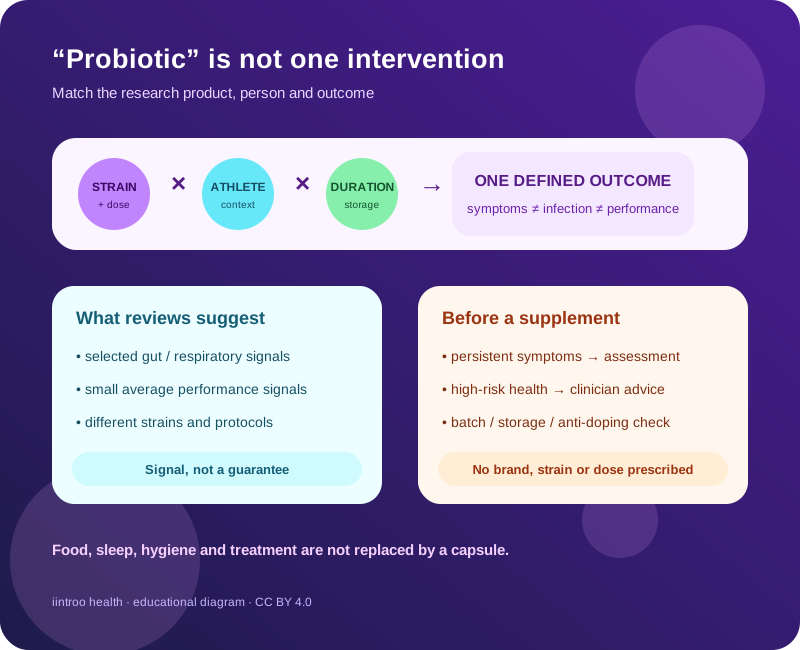
Key points
- A probiotic effect is specific to the microorganism, formulation, dose, duration, population and outcome studied; results cannot be transferred to every product.
- Recent athlete reviews report selected health or performance signals, but small samples, mixed protocols and risk of bias make broad guarantees inappropriate.
- Probiotics do not replace diagnosis, vaccination, hygiene, adequate energy intake, sleep or evidence-based treatment, and supplement contamination remains an anti-doping concern.
Start with the exact question
This guide is for athletes, families, coaches and support teams considering probiotic foods or supplements for gut symptoms, respiratory illness, recovery or performance. Those are different goals. The word probiotic does not identify the organism, strain, amount, viability at use, product quality or outcome that was tested.
A result for one named strain or multi-strain product cannot be assigned to another capsule, yoghurt or fermented food. Individual diet, training, travel, antibiotic use, health conditions and the resident gut microbiome can also change the response. Marketing categories are therefore much broader than the evidence.
Health signals are not an infection shield
The IOC consensus described probiotics as a possible indirect health-support option but also highlighted the need for larger, well-controlled trials in high-level athletes. A 2021 meta-analysis found a reduction in total respiratory symptom severity, yet did not find an effect on the number of illness days or the mean number or duration of episodes.
A 2024 review included 13 placebo-controlled trials with 513 participants and reported mixed signals across fatigue, gut symptoms, infections and biomarkers. Populations, organisms and protocols differed, and some participants were recreationally active rather than athletes. Symptom scores and inflammatory markers do not by themselves prove fewer medically confirmed infections.
Performance evidence remains product- and context-specific
A 2026 Bayesian meta-analysis of 21 trials and 685 healthy adults estimated a small-to-moderate average performance signal, with larger estimates in some endurance outcomes. That synthesis still combined different probiotic formulations, sports, participant groups and performance tests, so it cannot identify a universally effective product or dose.
A 2024 review of nine trials and 216 participants found several positive findings but judged most included studies at high risk of bias. Small trials, selective outcomes, imperfect blinding and publication bias can exaggerate effects. A laboratory change or a small pooled effect is not a guarantee of meaningful competition performance.
Protect health before experimenting
Healthy people often report few side effects, but long-term safety data are limited. People with severe illness, compromised immunity, central lines, recent major surgery or other high-risk conditions should obtain medical advice; rare serious infections have been reported in vulnerable populations. New fever, blood in stool, persistent vomiting, dehydration, severe pain or unexplained weight loss needs assessment rather than another supplement.
Do not use probiotics to delay evidence-based treatment, replace prescribed medicine or self-treat persistent exercise-associated gut symptoms. A sports dietitian or clinician can review total diet, carbohydrate and fluid plans, food safety, medication, travel and the timing of symptoms before attributing the problem to the microbiome.
Sources: 2
If a supplement is considered, document the product
Record the full organism and strain, formulation, lot, storage instructions, expiry, intended outcome and any response. Trial changes in ordinary training rather than at a major event. Foods can contribute nutrition without being interchangeable with the specific research product, and more organisms or a larger label number is not automatically better.
Competitive athletes remain responsible for anti-doping risk. WADA warns that supplements may be contaminated or mislabelled and that no product is completely risk-free; independent batch testing can reduce but not eliminate that risk. This article does not recommend a brand, strain, dose or treatment.