Health information becomes useful when it respects the discipline, athlete, environment, level and stage of participation.
Demand map
Start with the sporting context.
Compare the physical, psychological and environmental demands that change health priorities between sports. This overview is not an individual treatment plan.
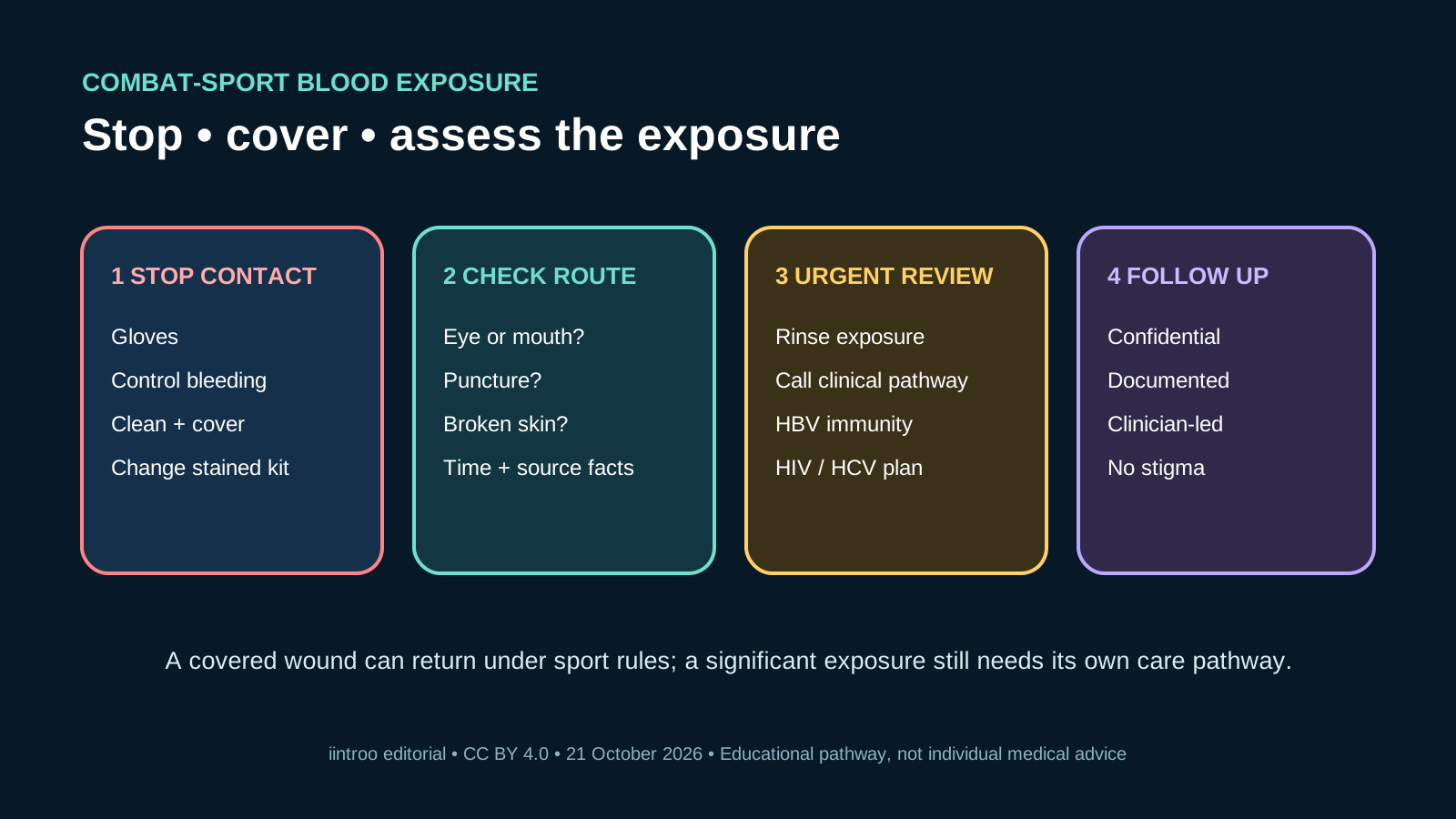
Blood on skin is not proof of infection. Stop active bleeding, use standard precautions and send a true mucosal or broken-skin exposure for urgent review.
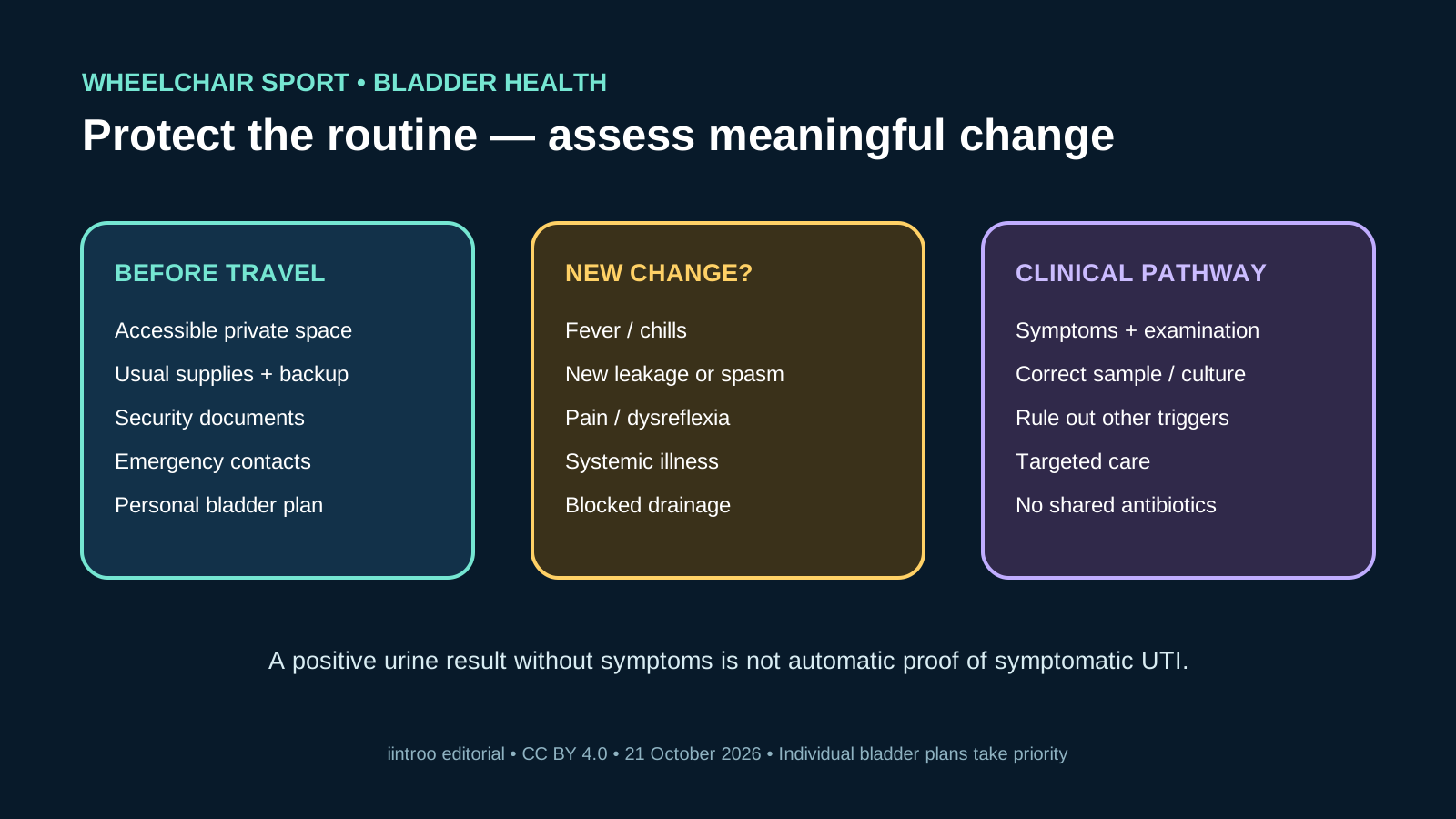
A positive urine test alone does not prove symptomatic UTI. Protect the athlete's established bladder routine, record meaningful changes and seek timely review.
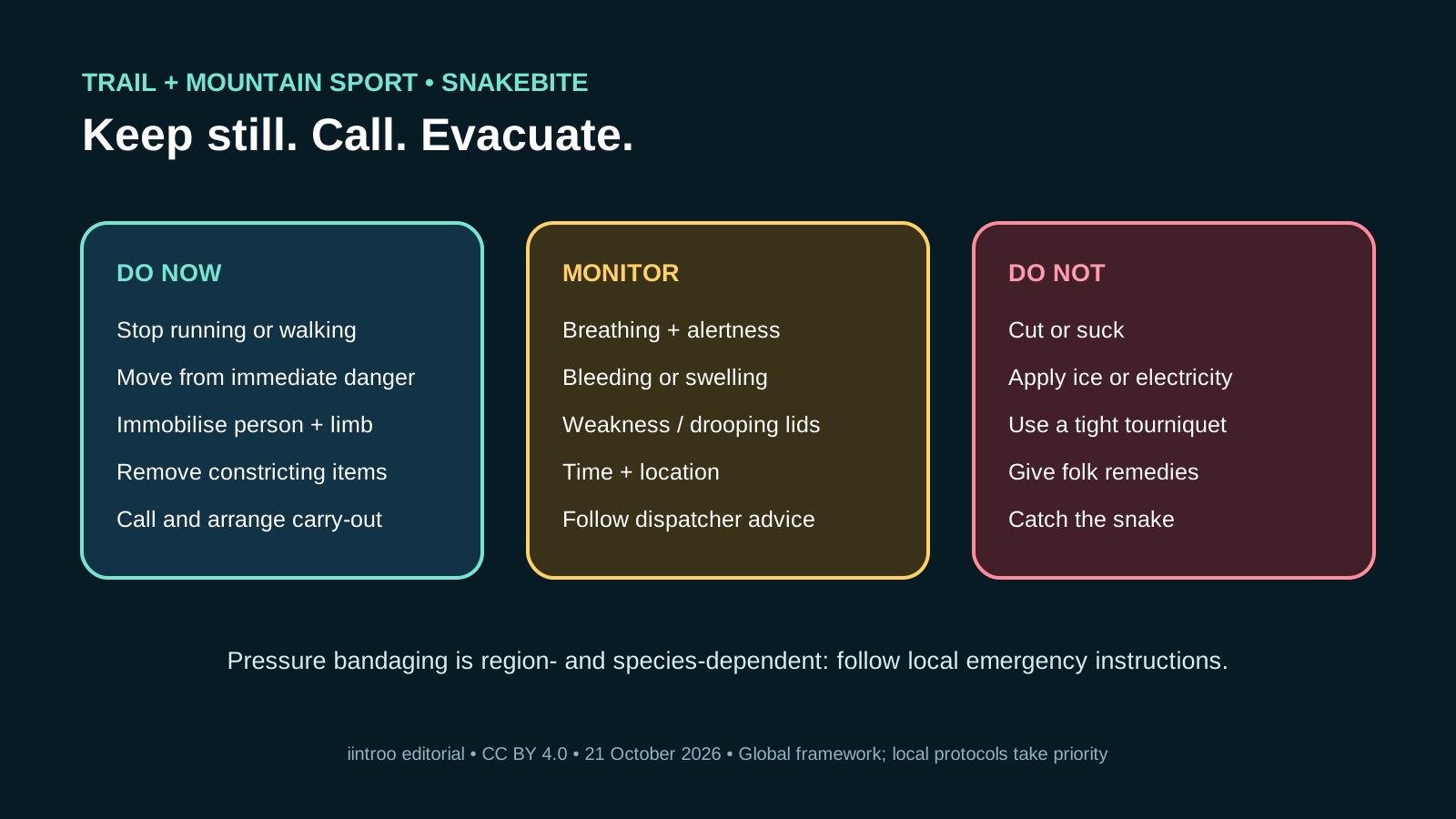
A snakebite is an urgent evacuation problem. Keep the person still, follow local expert instructions and avoid cutting, suction, ice or a tight tourniquet.
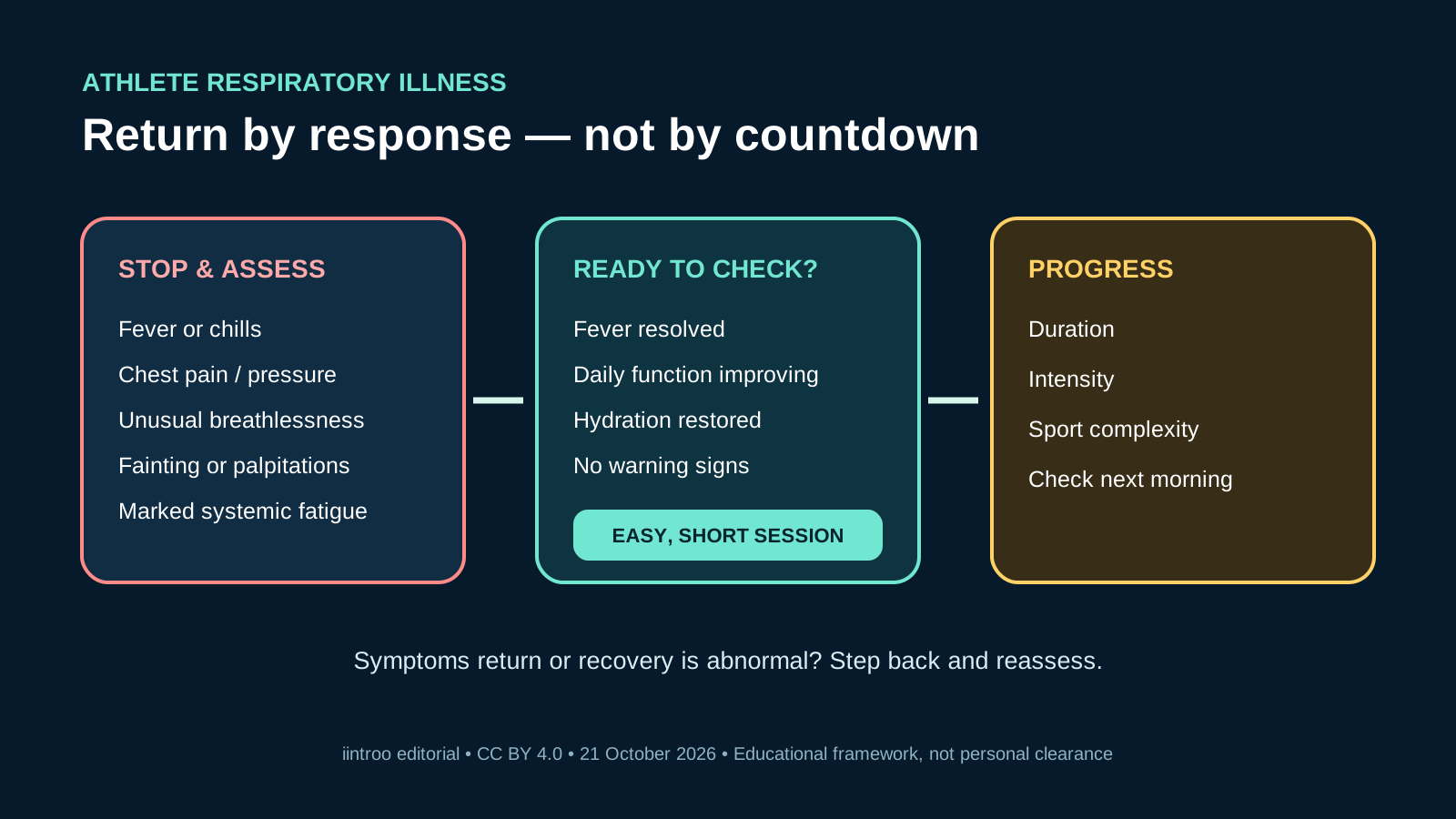
A cold is not a fitness test. Pause for fever or systemic symptoms, screen chest warning signs and rebuild training through a monitored, graded return.
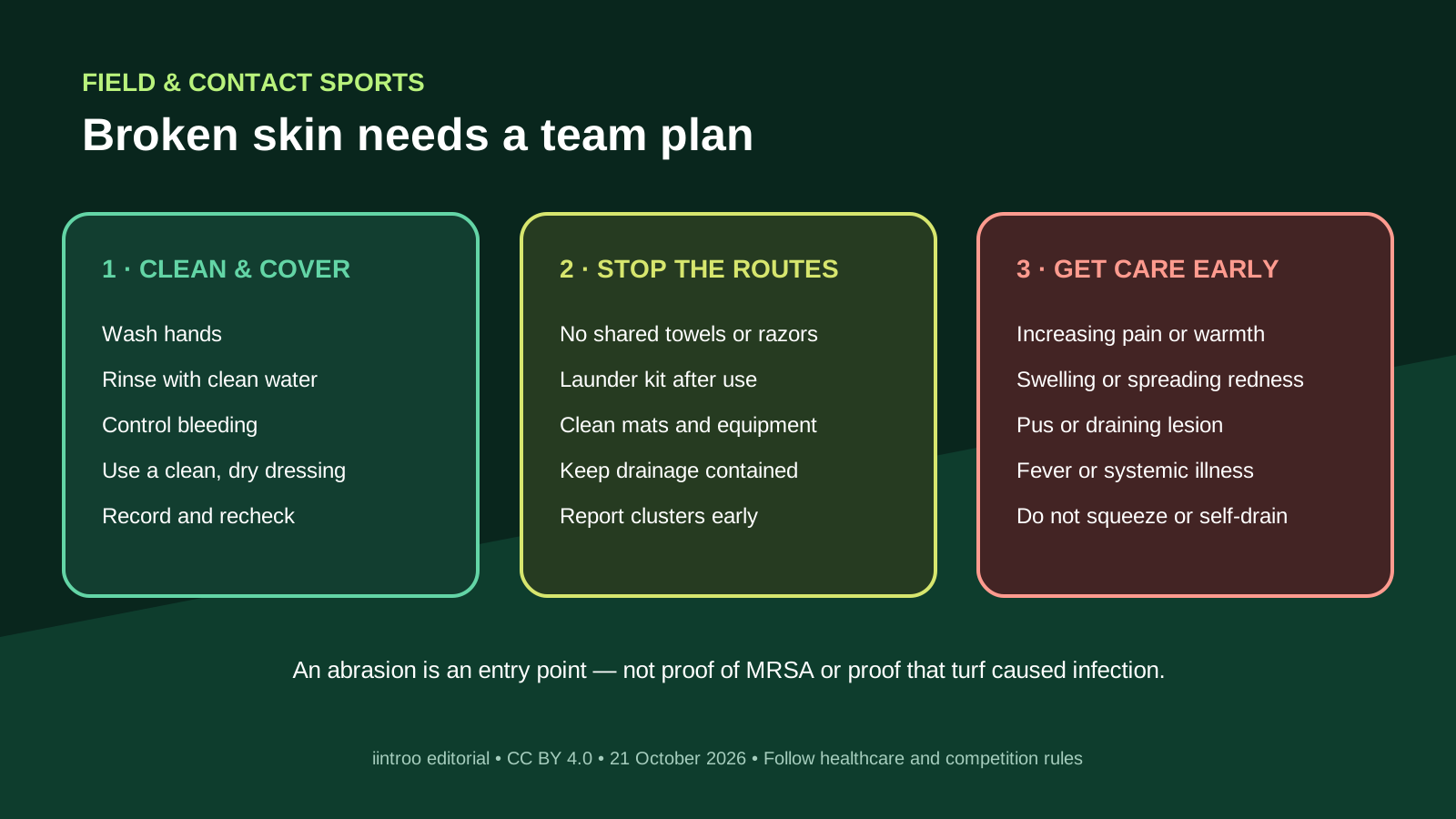
Abrasions are more than cosmetic. Clean and cover broken skin, avoid shared personal items, report suspicious lesions early and manage facilities deliberately.
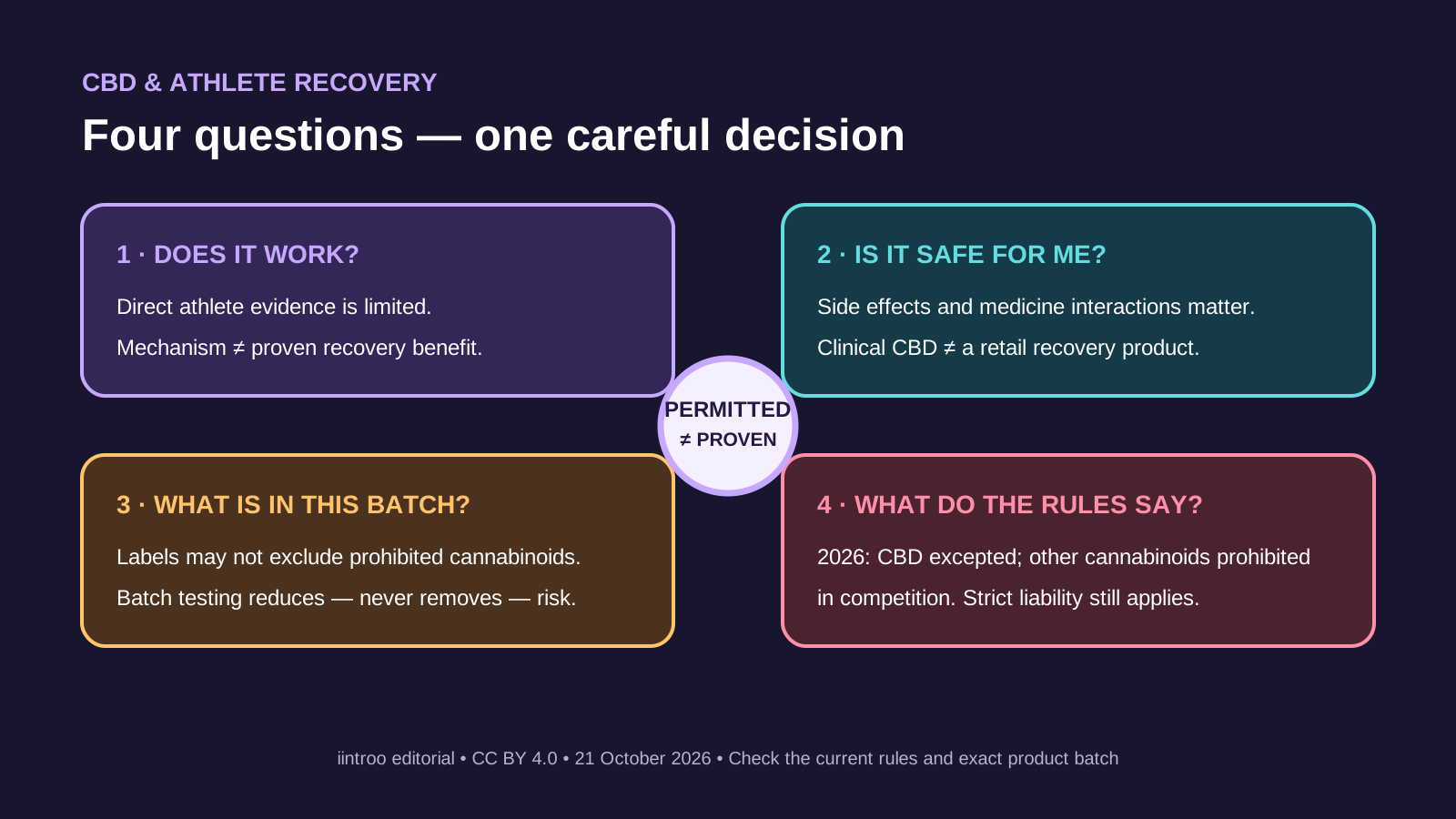
CBD is excepted from WADA's cannabinoid ban, but recovery evidence is limited and products may contain prohibited cannabinoids or interact with medicines.
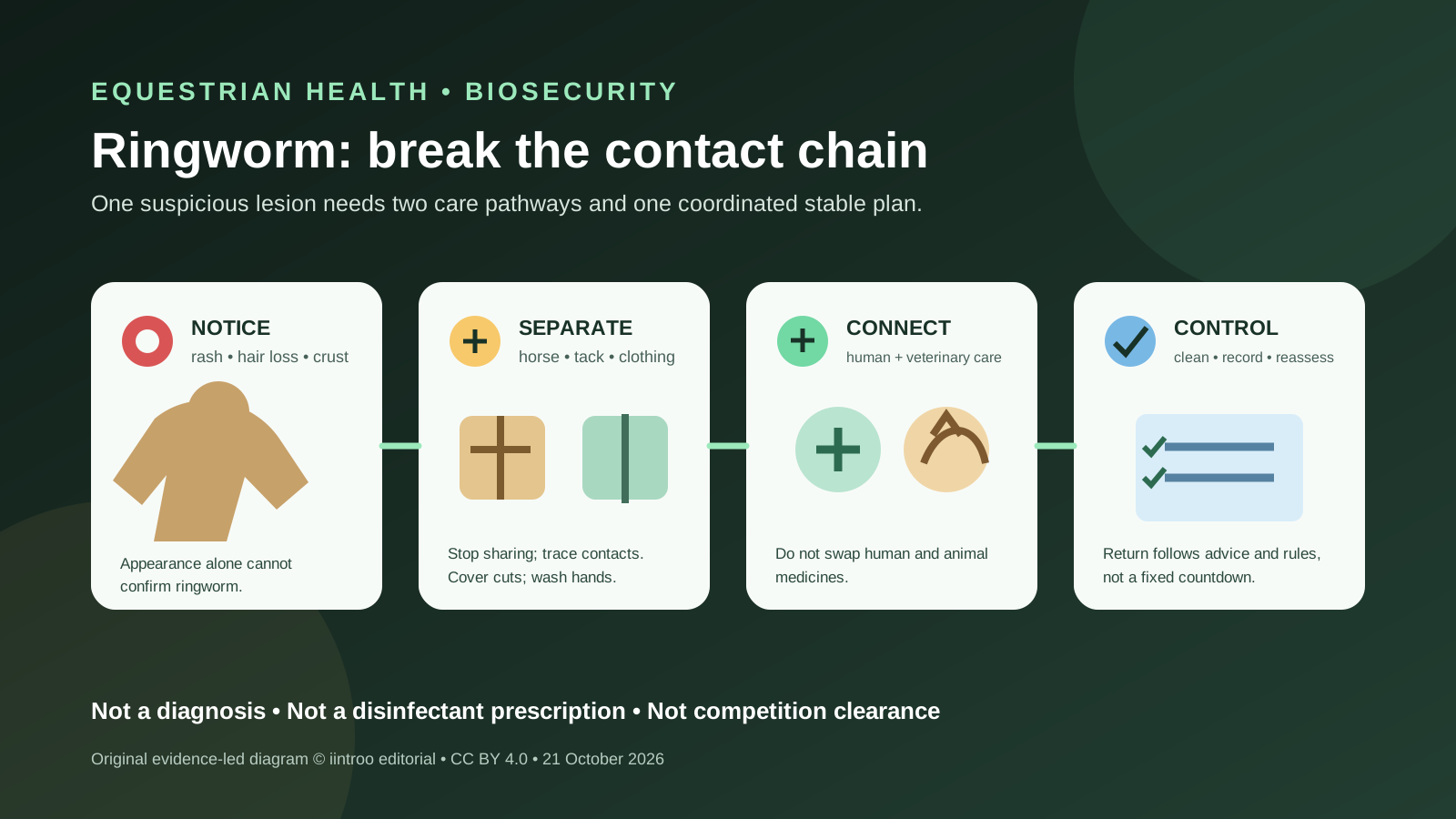
A circular rash or a horse with crusted hair loss may signal ringworm. Pause shared equipment, arrange human and veterinary advice, and clean deliberately.
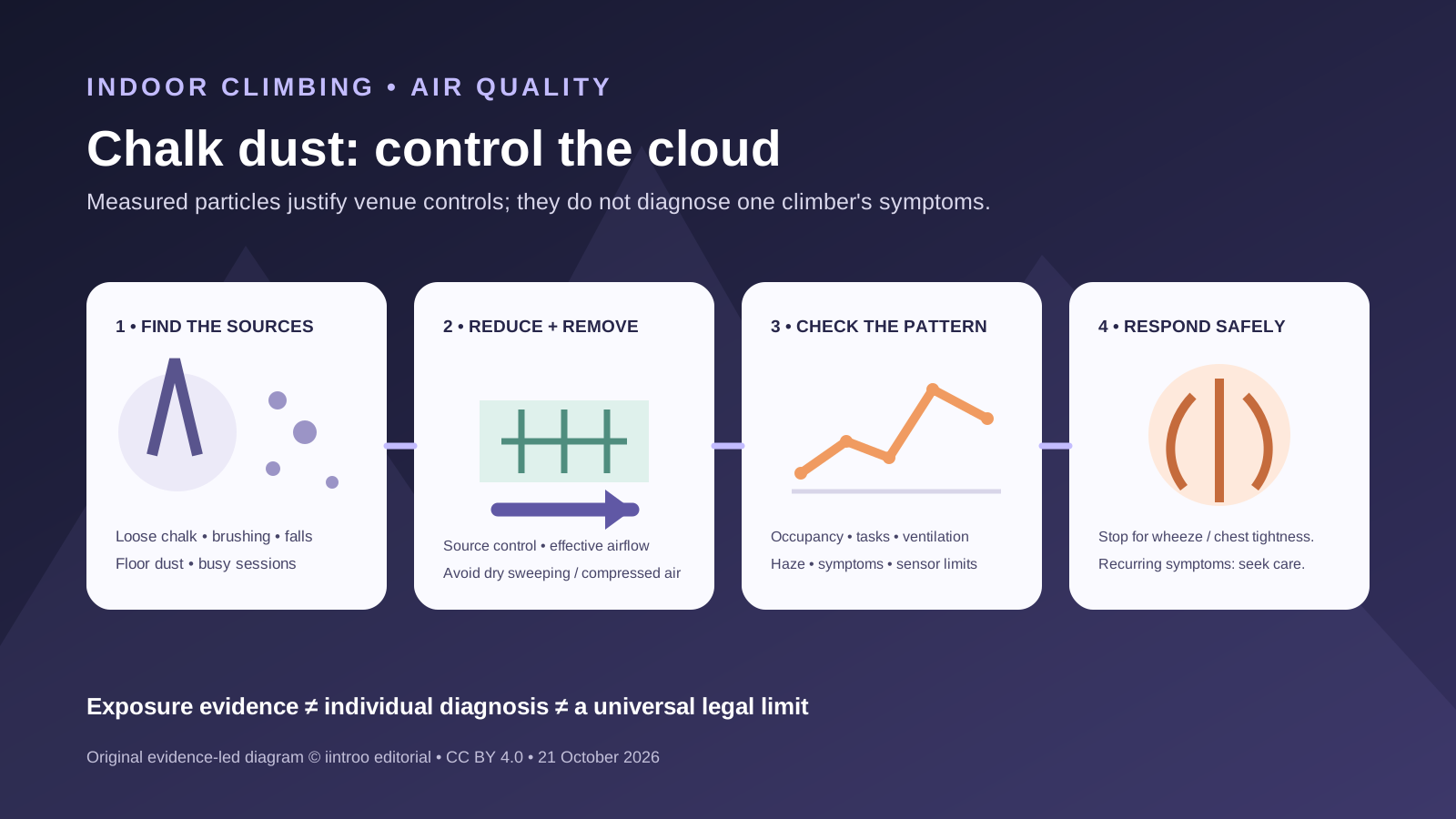
Climbing chalk can raise indoor particle levels when dust is resuspended. Ventilation and low-dust practice matter, but recurring symptoms need assessment.
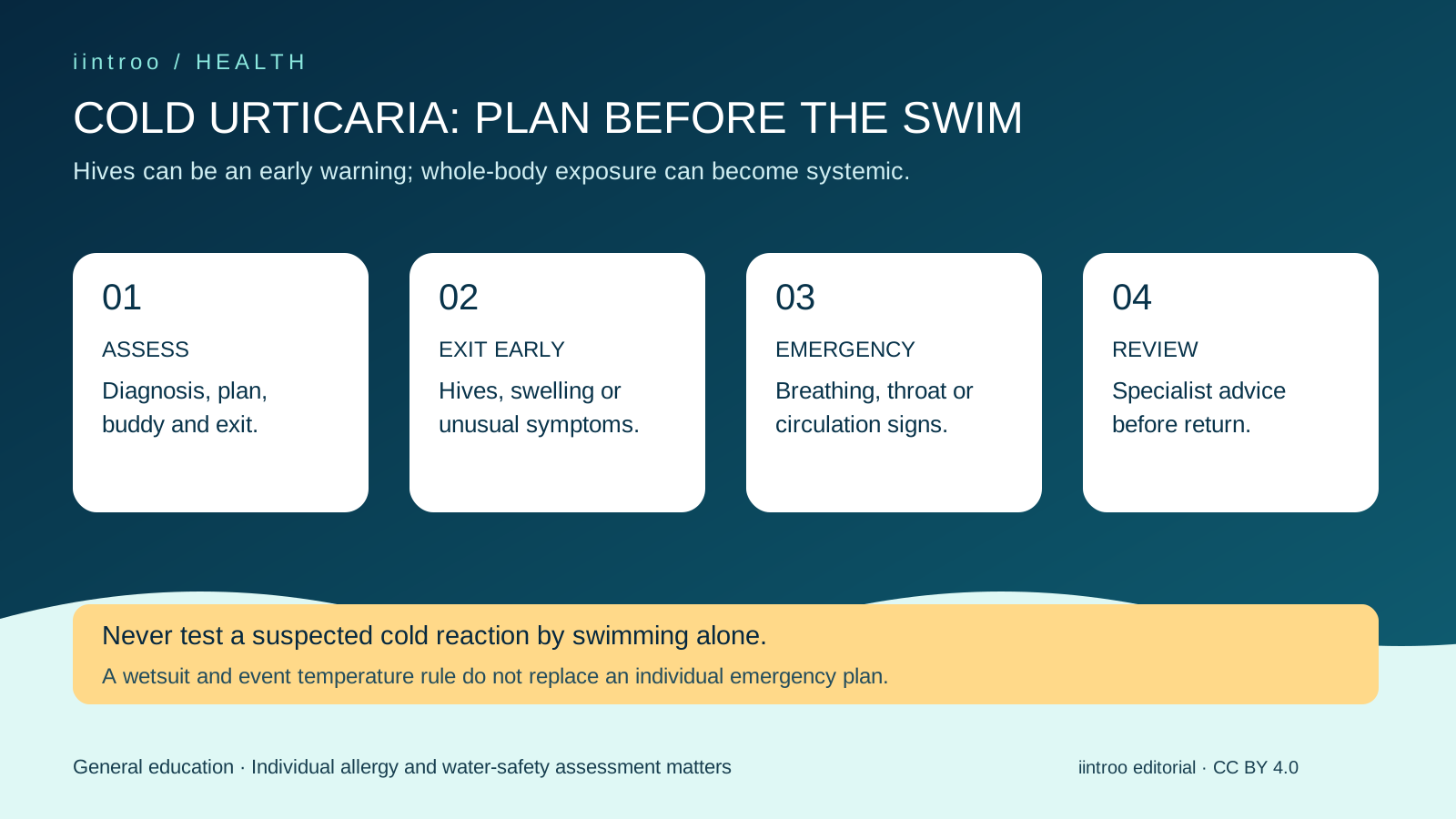
Cold-triggered hives during open-water swimming can progress beyond the skin. Get a diagnosis, follow a personal emergency plan and never test it alone.
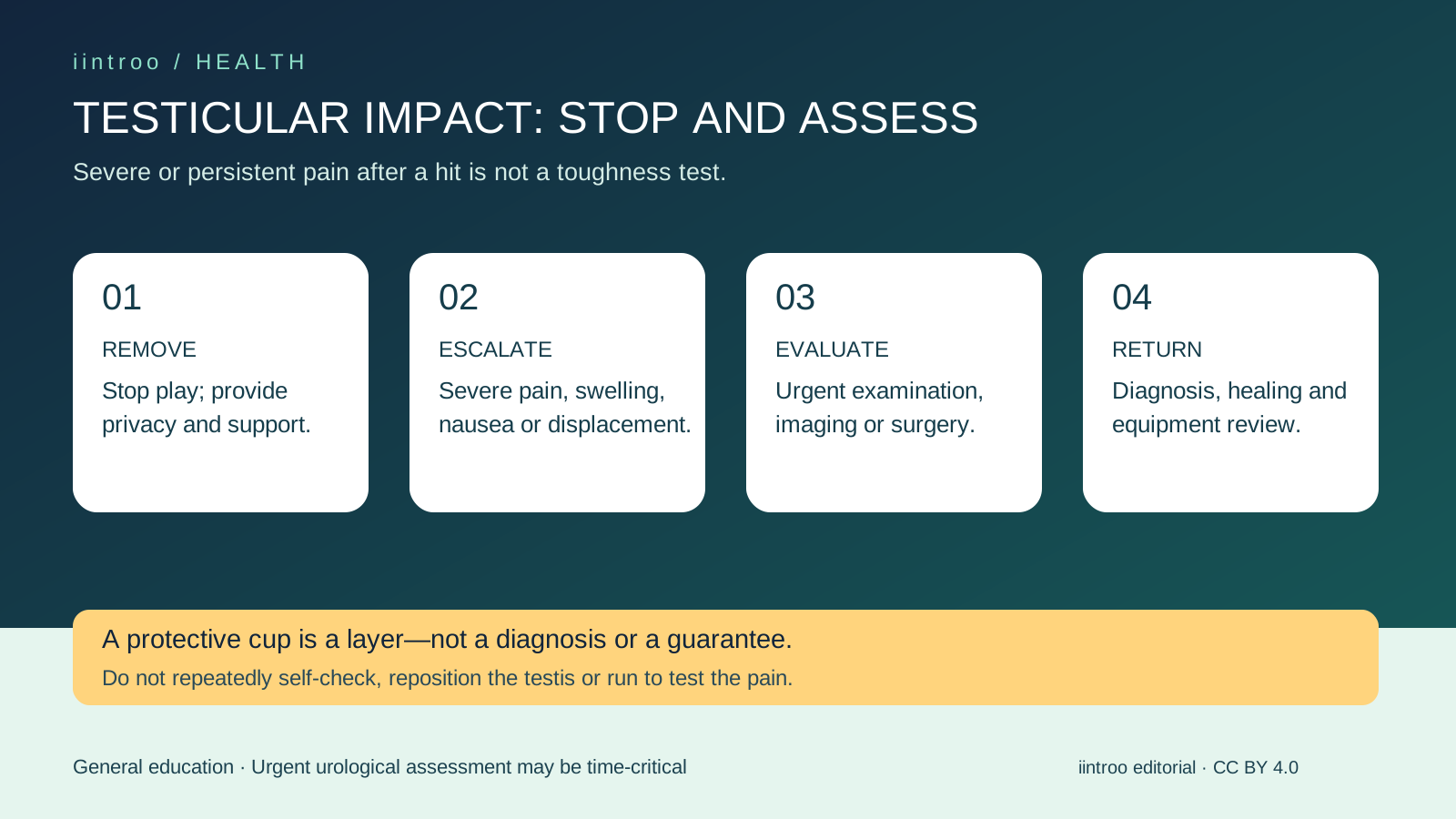
A direct blow can cause more than temporary groin pain. Stop play, avoid repeated self-checking and seek urgent assessment for severe or persistent symptoms.
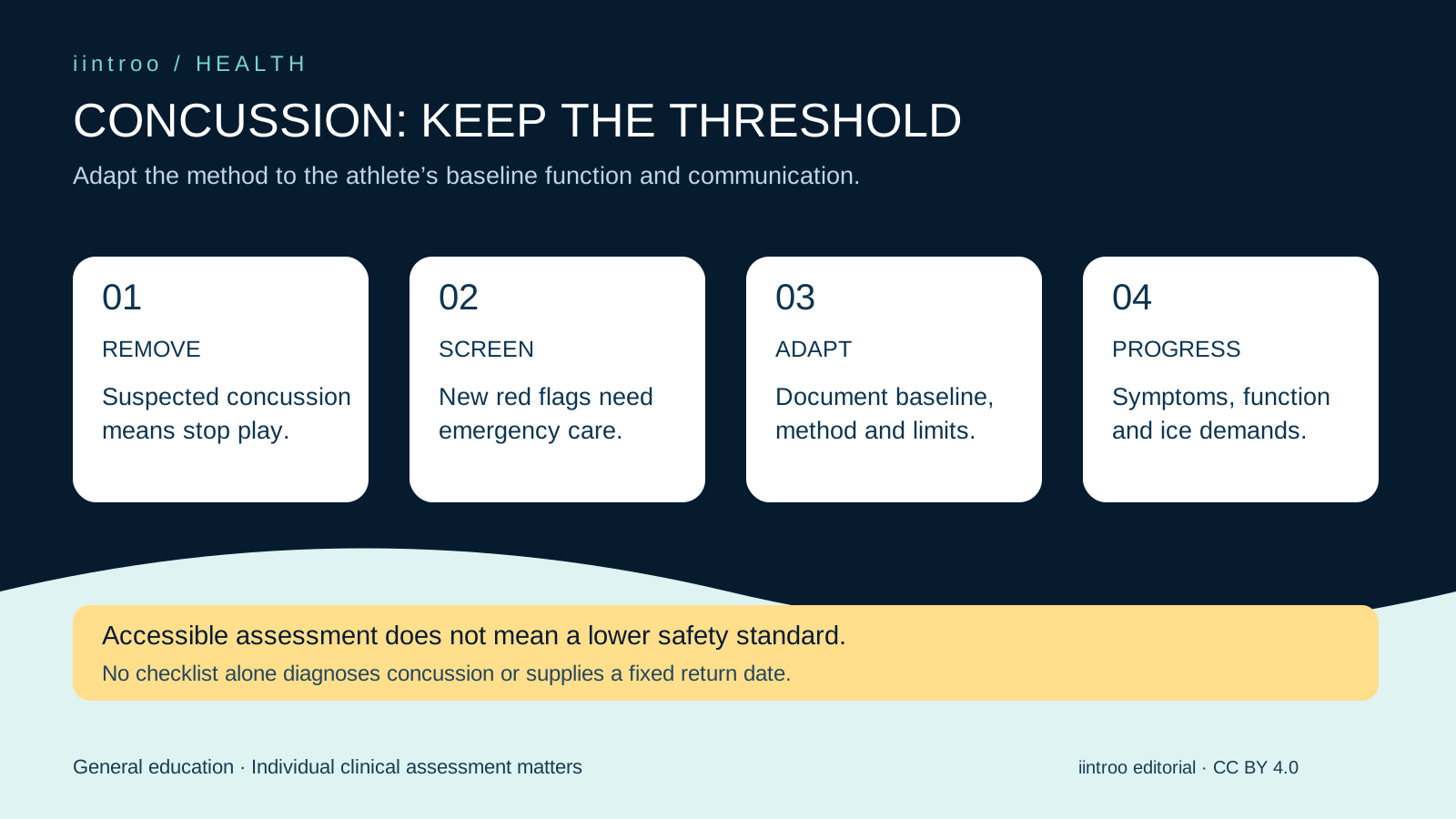
Para ice hockey concussion care must distinguish new symptoms from baseline impairments, remove suspected cases and build an individual return-to-ice plan.
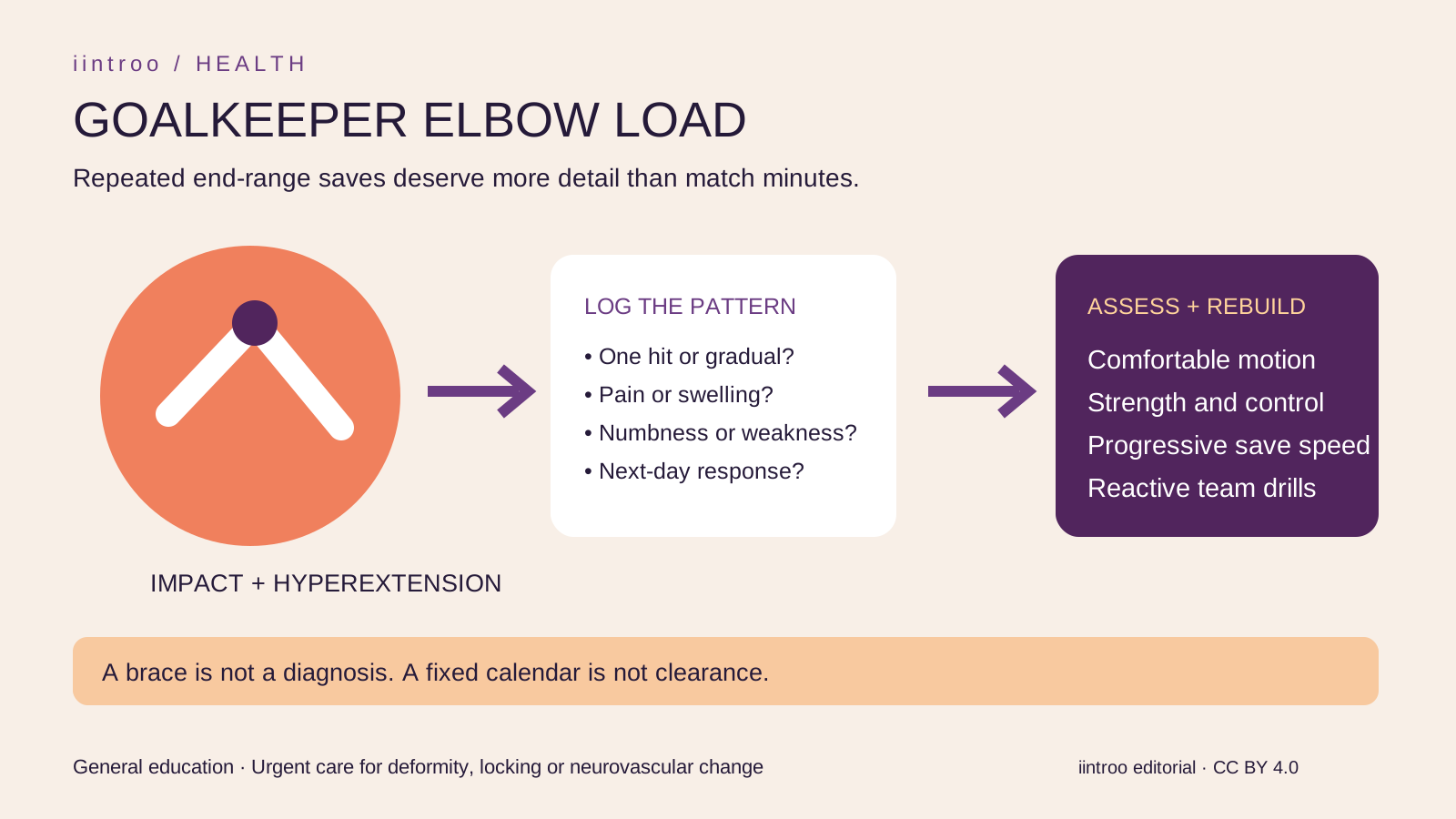
Handball goalkeepers can develop medial elbow pain after repeated ball impacts and hyperextension. Learn what to report, assess and rebuild before returning.
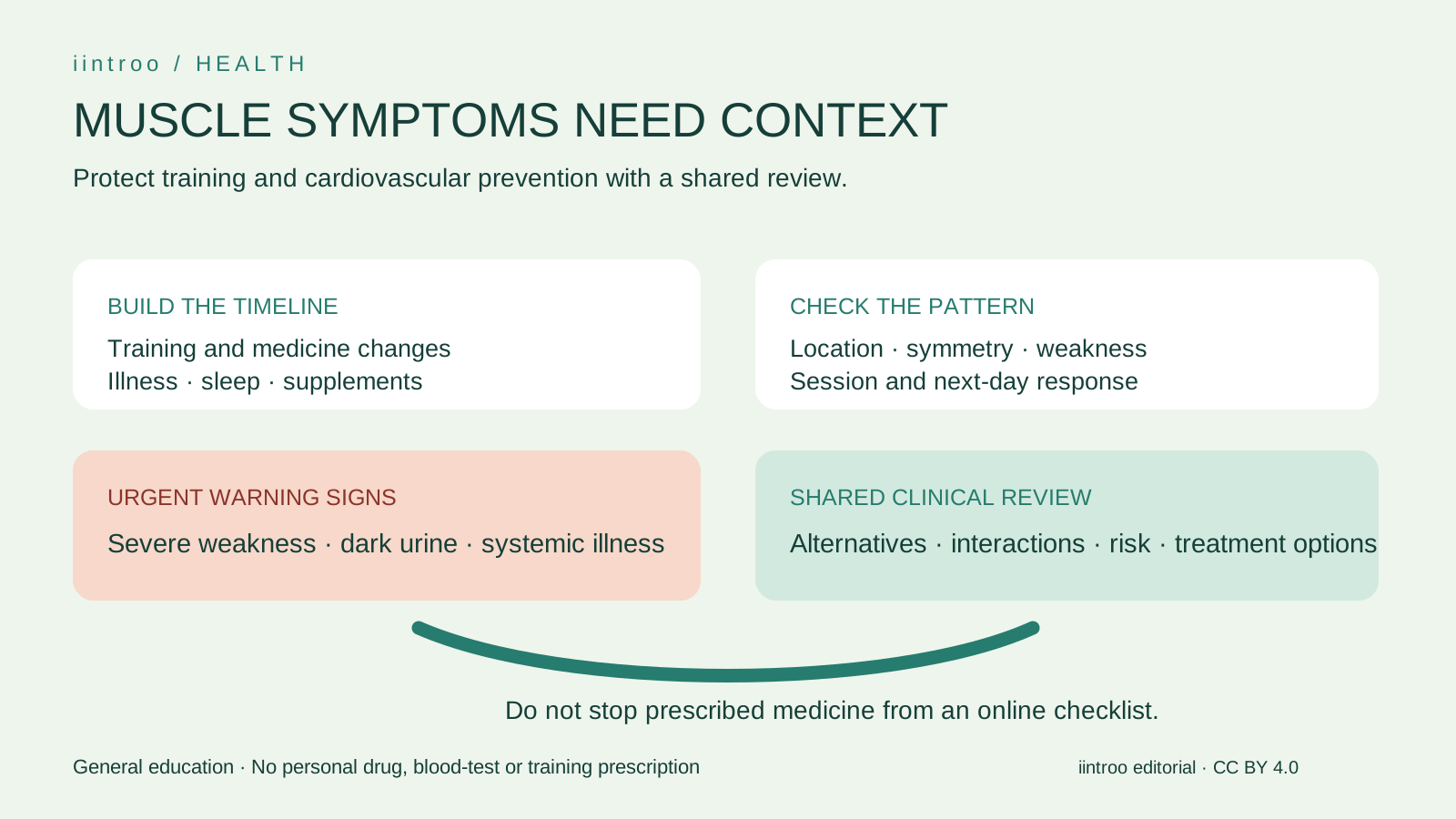
New muscle symptoms in a masters athlete taking a statin need a timeline, safety check and shared review—not silent training changes or stopping medicine alone.
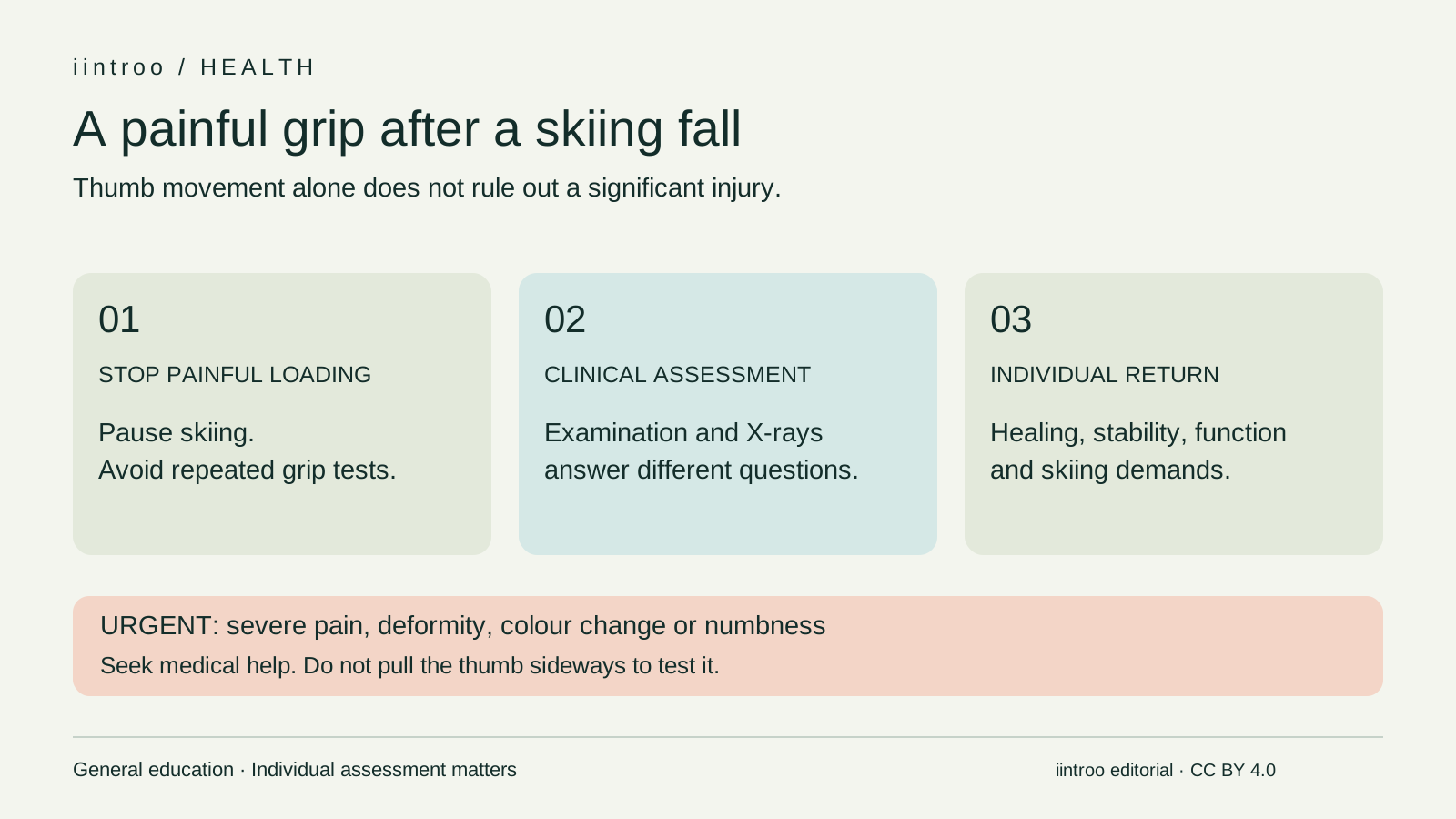
Learn how skiing falls can injure the thumb’s stabilising ligament, when to seek urgent care, and why treatment and return to snow need individual assessment.
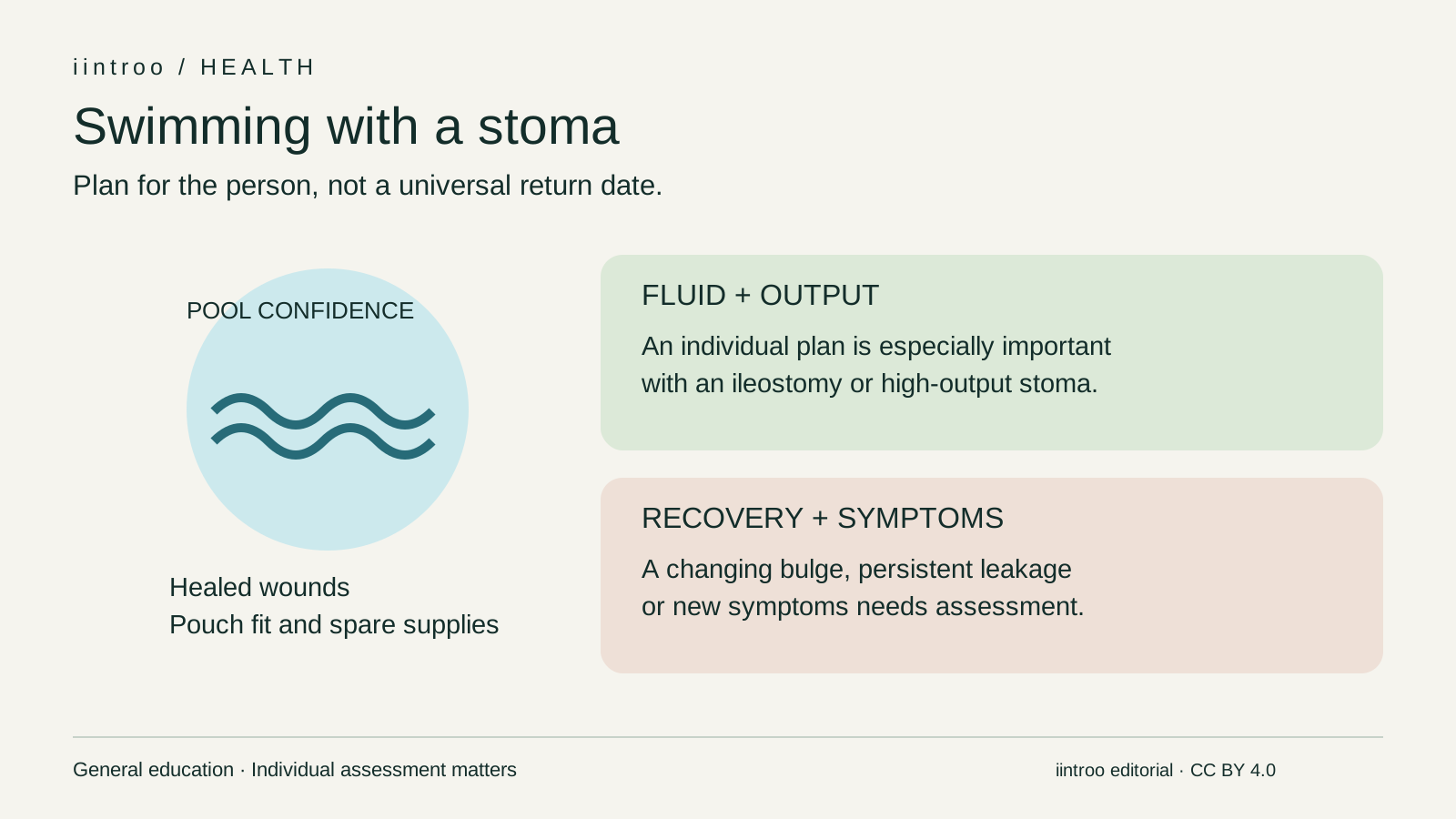
Returning to swimming and exercise with a stoma means planning pouch fit, hydration and recovery—not following a universal return date or generic drinking plan.
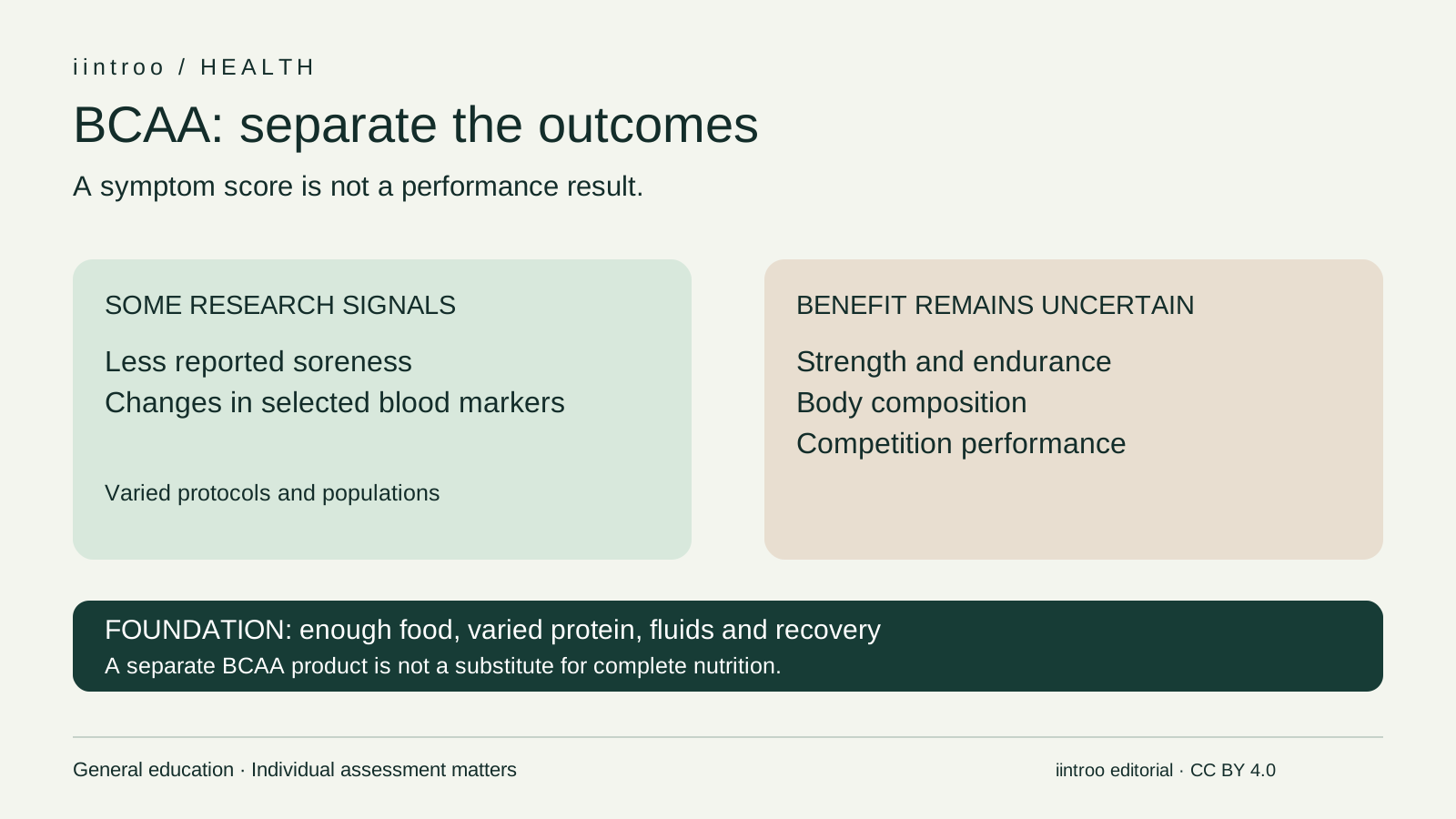
BCAA research sometimes finds less muscle soreness, but strength and endurance benefits remain uncertain. Learn what the studies mean for resistance training.
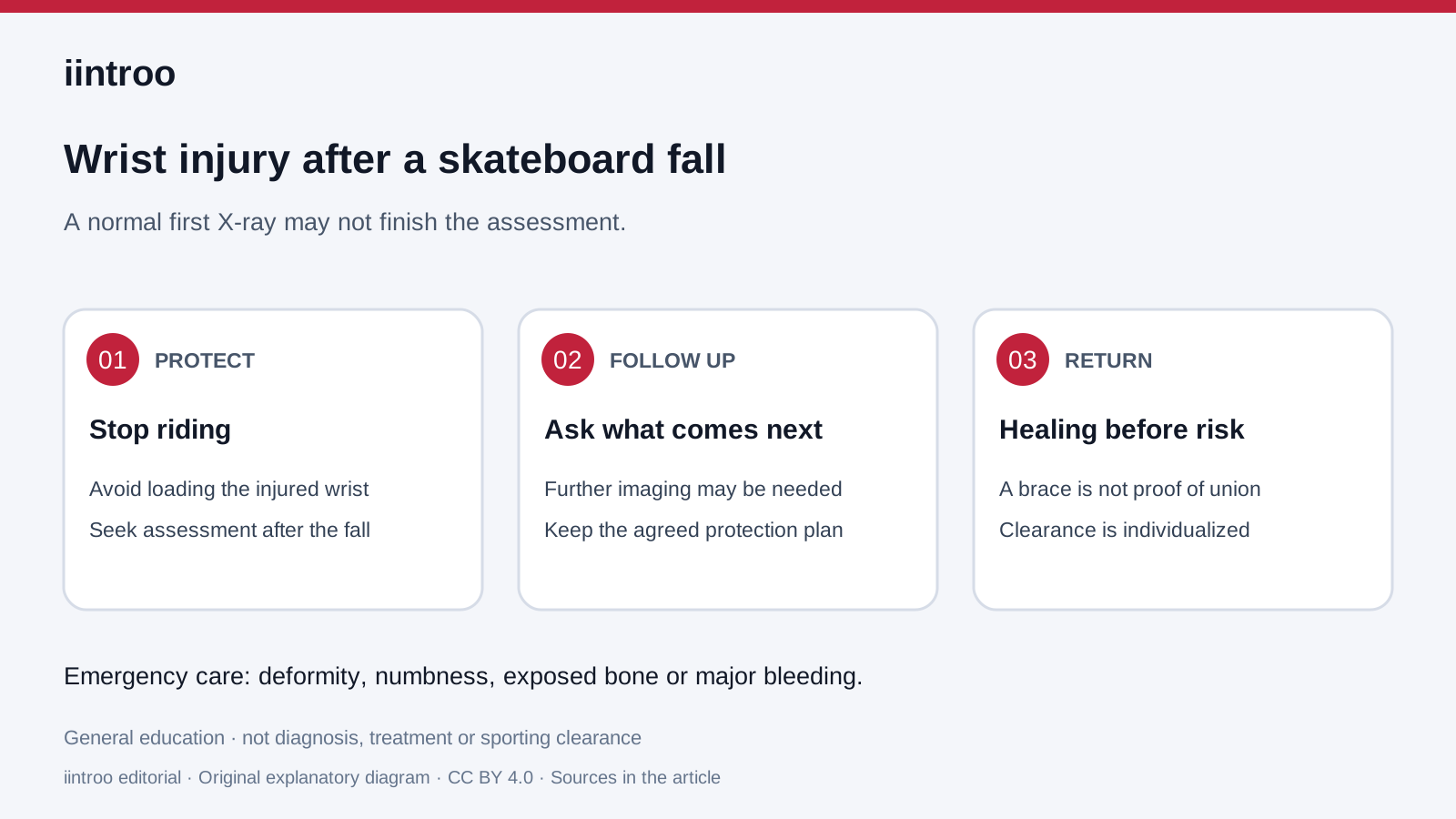
Thumb-side wrist pain after a skateboard fall needs assessment. Understand missed scaphoid fractures, follow-up imaging and why return is not a fixed deadline.
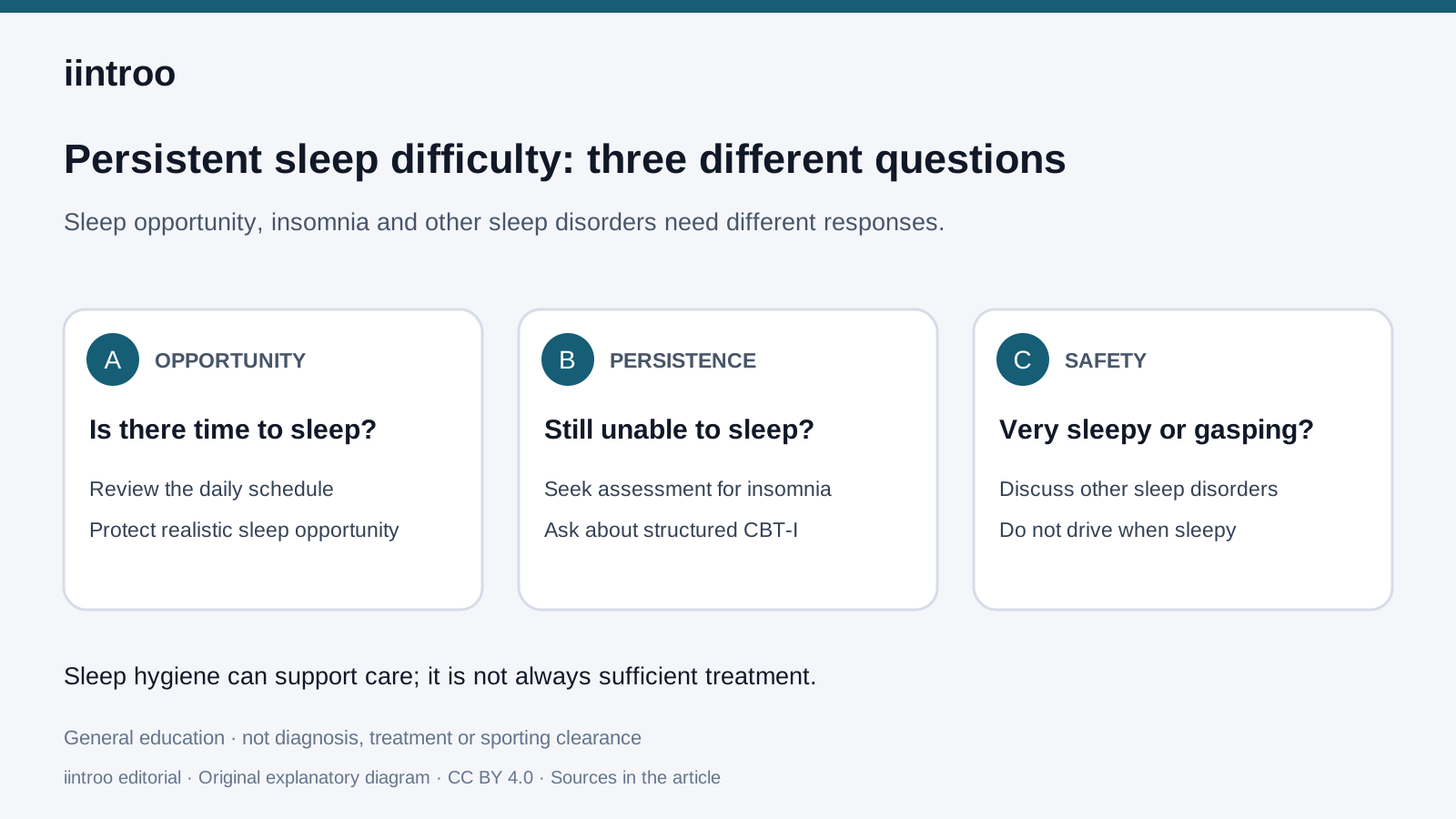
Trouble sleeping despite enough opportunity deserves assessment. Learn what CBT-I offers, what athlete studies cannot prove and when to seek professional help.
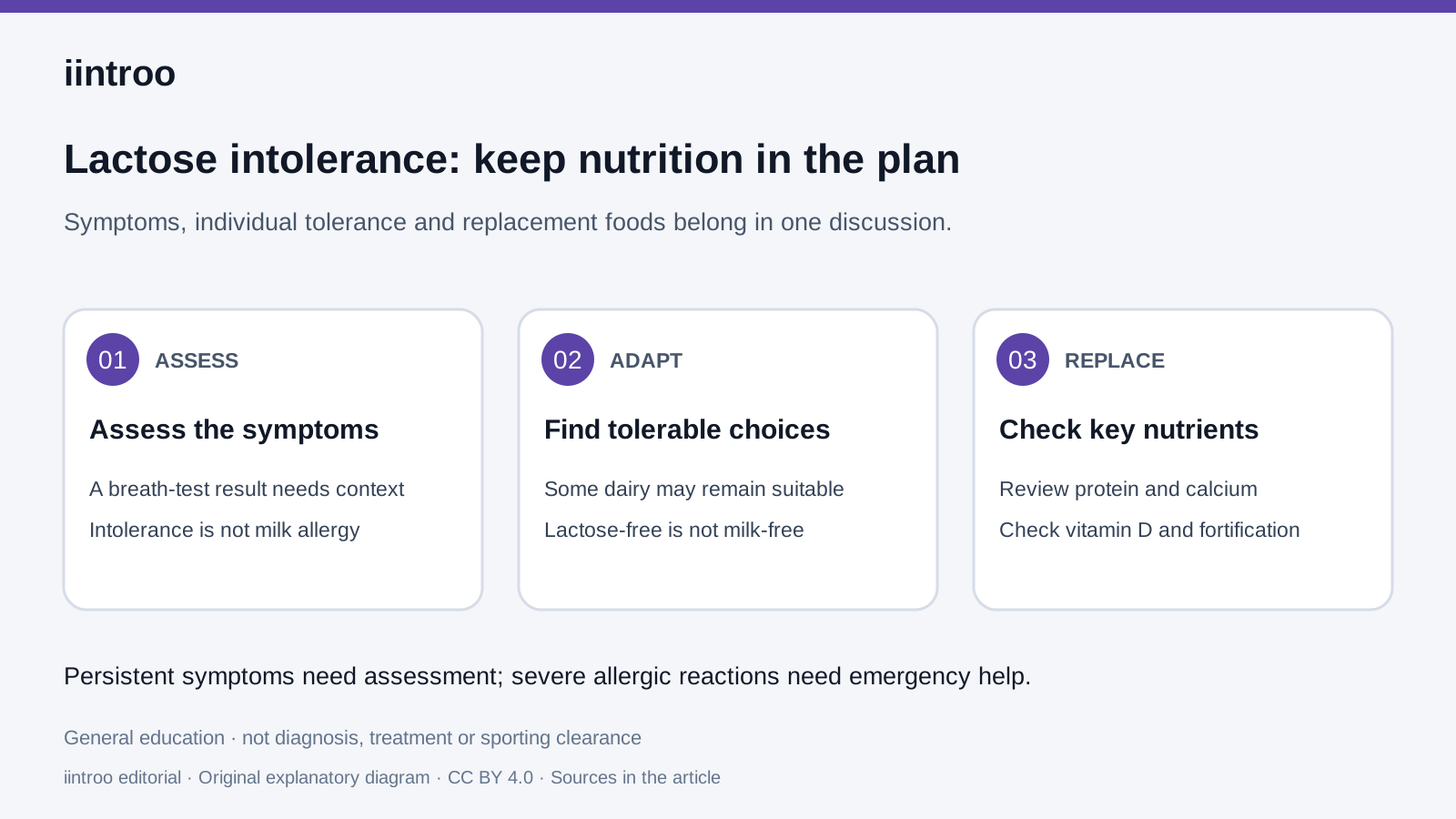
Digestive symptoms after dairy need context, not automatic restriction. Learn about lactose assessment, tolerated foods and protecting nutrition while training.
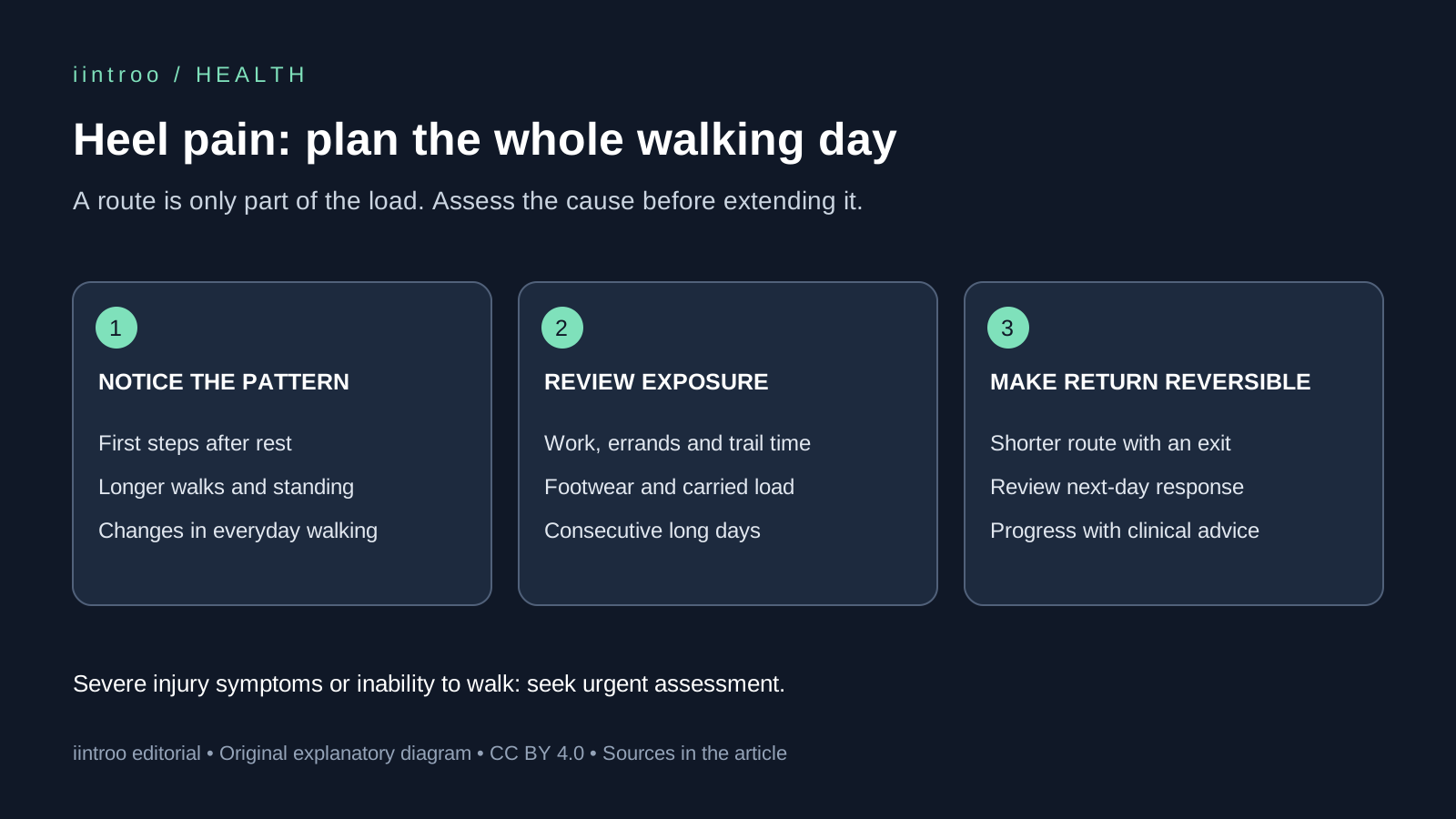
Heel pain can change a hiking trip. Learn how assessment, total walking load, footwear and gradual rehabilitation fit together without a fixed return date.
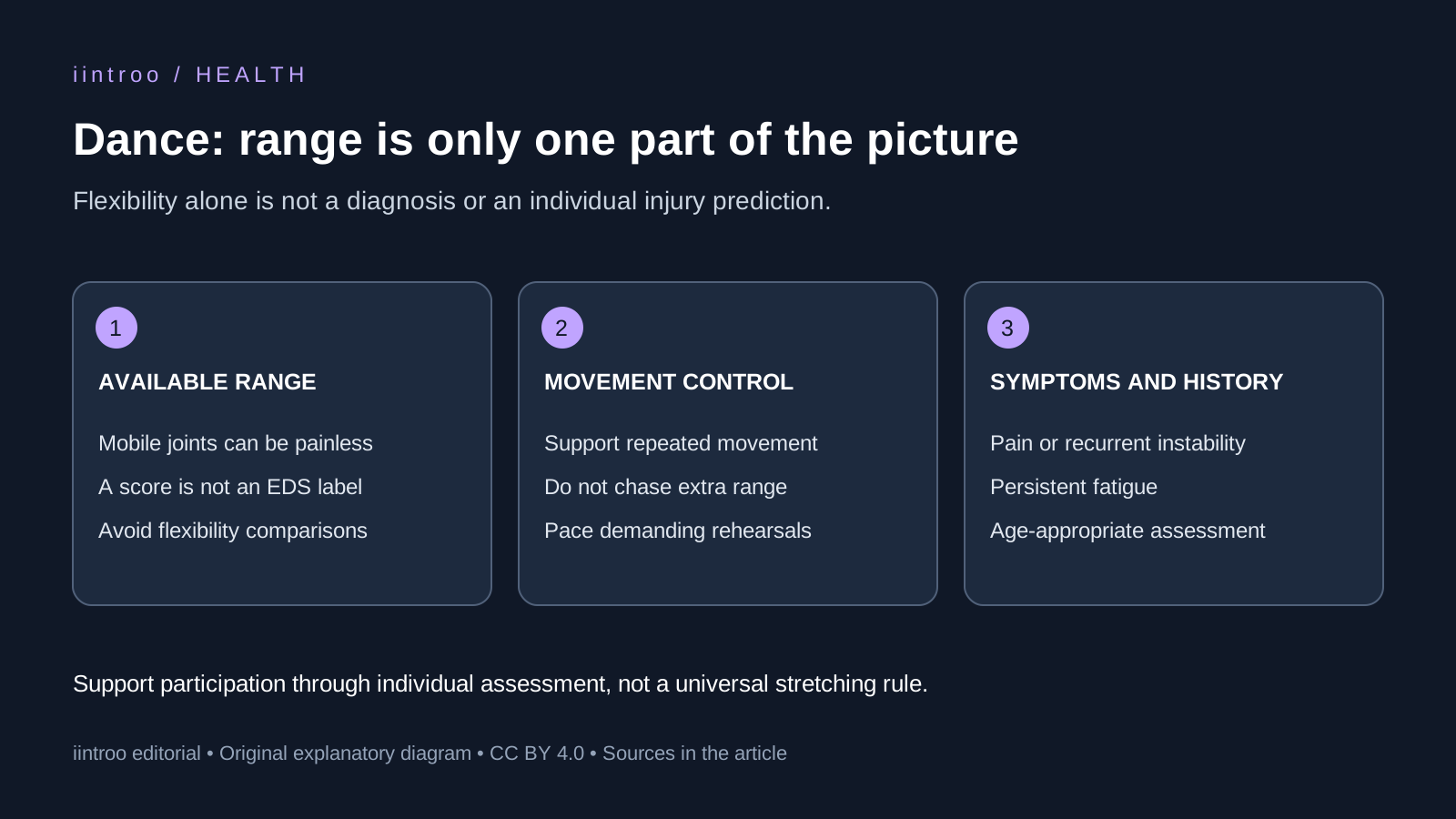
Flexible joints do not automatically mean injury or EDS. Understand dancer hypermobility, persistent symptoms, clinical assessment and supportive training.
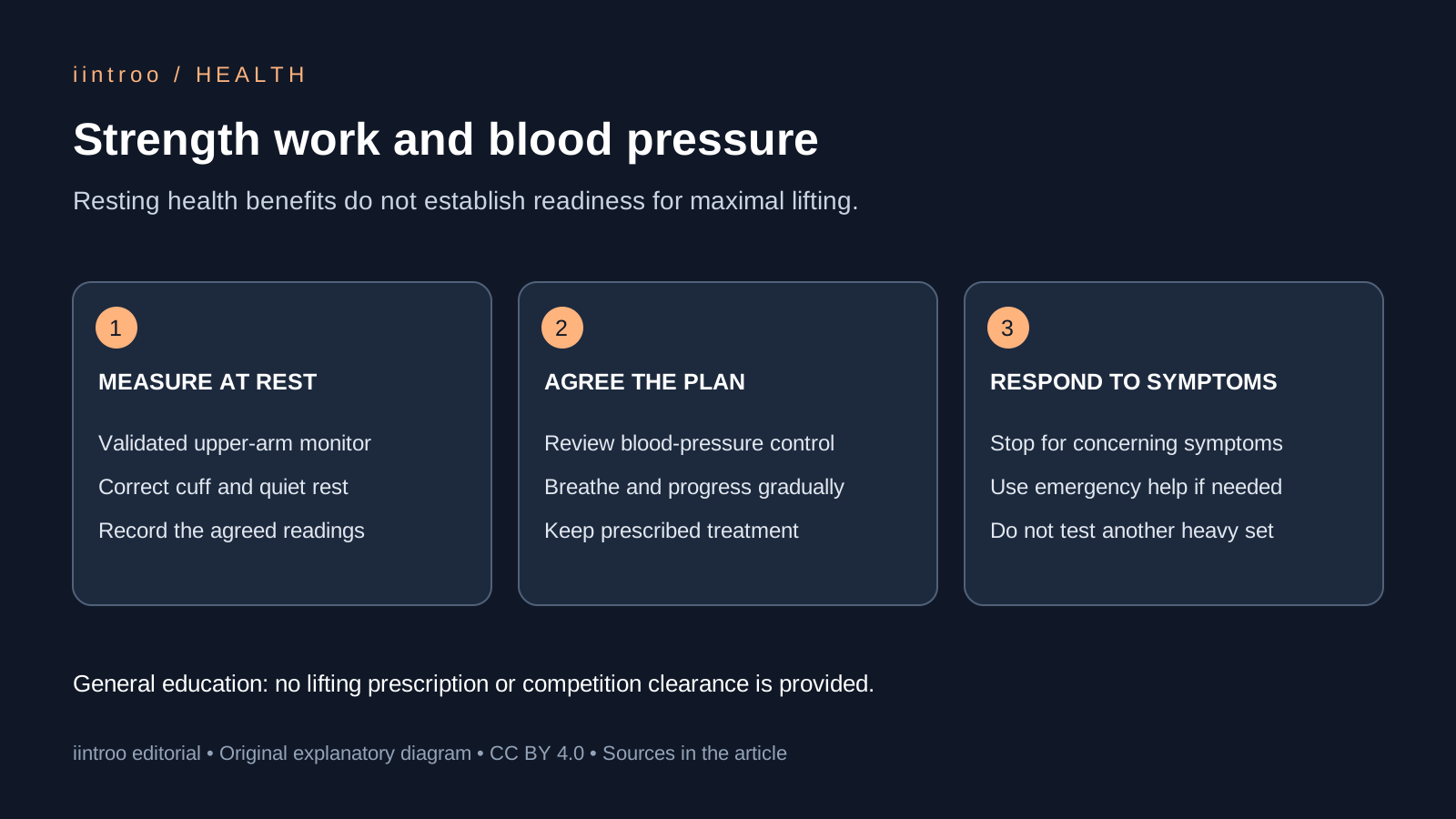
Strength work can support blood-pressure care, but heavy lifting needs context. Learn about accurate readings, gradual training and symptoms that need help.
Medical notice: Content is for education and professional discussion. It is not diagnosis, treatment or emergency advice. Seek a qualified clinician for personal care and local emergency services for urgent risk.
Explore 2025
Research behind the headlines.
Read original-study findings, methods and limits, with links to the published evidence.