
Exercise physiology · International
Adolescent exercise trial reports similar fitness gains with different lipid responses
A six-week comparison combines a fitness test with detailed serum measurements.
Study publication:
What the January paper found
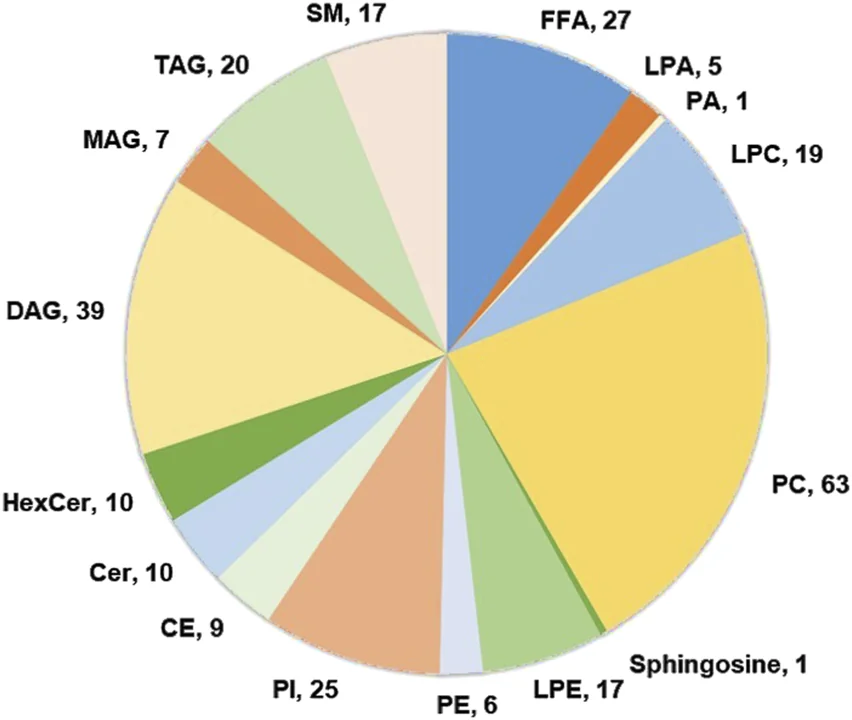
Published 30 January, the trial randomly assigned 24 healthy, untrained male adolescents to six weeks of sprint-interval or moderate continuous cycling. Both groups improved peak oxygen uptake, while changed serum lipid species differed. Researchers identified 276 lipid species and applied false-discovery control. The small, male-only sample and short duration limit generalisation. Similar observed fitness gains do not establish equivalence; lipid changes do not establish reduced future disease or improved competition performance. These physiological responses do not provide individual exercise or nutrition advice.
Fitness and future health are different outcomes
The American Heart Association's scientific statement on cardiorespiratory fitness in youth describes fitness as an important marker of health and discusses its assessment in children and adolescents. It reviews associations with a range of health indicators and the role of physical activity in fitness development. This provides context for studying oxygen uptake while preserving an important boundary: a laboratory fitness measurement is not the same outcome as a future illness, injury or sporting result. A short trial can show how a defined measure responds over its observation period. Longer-term consequences require evidence with appropriate follow-up and outcomes. The statement also discusses different assessment approaches, making test method and participant characteristics relevant to comparison. For a reader, the useful question is what changed and how it was measured, before asking what that change might mean later. This is a methodological implication of the statement's framework, not a prediction for an adolescent participant. It helps keep fitness results distinct from more speculative claims about lifelong health, performance or the superiority of a particular programme.
Lipidomics needs more than a list of changing molecules
The Lipidomics Standards Initiative's recommendations for mass-spectrometry lipidomics describe good practice across sample collection, preparation, measurement, identification and reporting. They stress the need for quality control and clear information about the level of structural identification. A lipid name can imply more certainty than the analytical data support, so the reported detail needs to match the evidence. Quantification and comparability also depend on standards, instrument methods and data processing. This is especially relevant when an exercise study measures many molecules at once. A change in one measured species belongs within the assay's uncertainty and the analysis plan; it is not automatically a mechanism explaining a fitness result. The recommendations offer a way to assess whether results can be reproduced and compared across laboratories. They do not supply a health interpretation for every lipid change. Readers can therefore distinguish the training comparison, the reliability of the biochemical measurements and the separate question of biological meaning. Keeping those layers explicit makes an exploratory molecular result useful without presenting it as a demonstrated clinical benefit.
This research report is for education and professional discussion. Personal diagnosis, treatment and return-to-sport decisions require a qualified clinician.
Original sources
Read the underlying records.
Explore the official results, organiser reports or original research behind this story.