
Short-track speed skating: layer protection against blade lacerations
Cut-resistant clothing is one layer in short-track safety. Check coverage, fit, blades, barriers and the emergency response before pack skating begins.
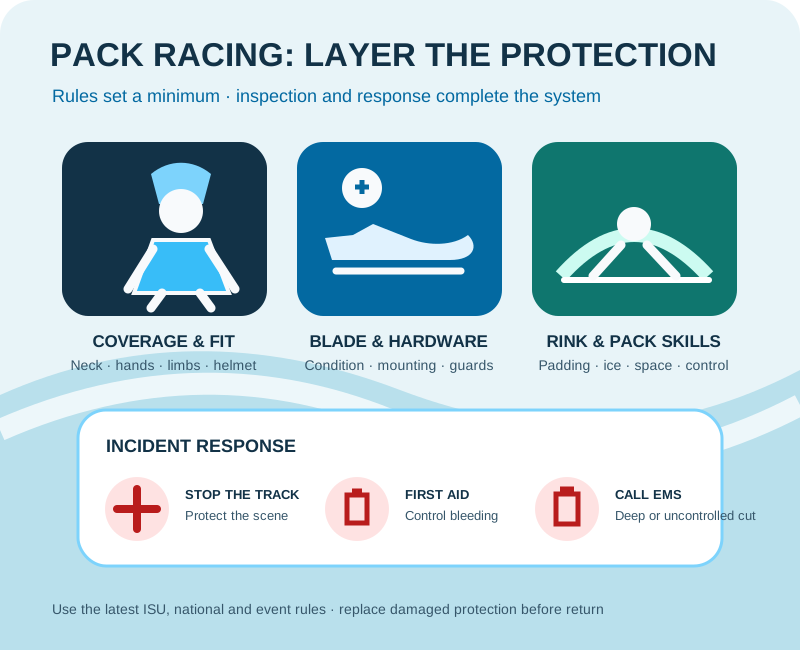
Key points
- Pack racing combines sharp blades, high speed, falls and close proximity; lacerations can occur even when the first impact looks minor.
- Current ISU rules and equipment communications specify event-dependent protective equipment, but correct certification, coverage, fit and condition still require inspection.
- Research on speed-skating injury prevention is limited, so compliance should be paired with rink padding, skill progression, incident surveillance and a rehearsed emergency plan.
Understand the pack-racing hazard
This guide is for short-track skaters, mass-start speed skaters, coaches, officials, rink operators and medical teams. A fall can place an athlete on the ice among moving skates, other bodies and the barrier. Blade lacerations, puncture wounds, fractures, concussion and soft-tissue injury require different controls; no single garment or helmet addresses the whole sequence.
A survey of 95 competitive short-track skaters found that 61 reported at least one injury during the studied season, while lower-leg lacerations were among the more commonly recalled earlier on-ice injuries. The study is more than two decades old and depended on self-report. It illustrates the mechanism but cannot estimate current risk under today's equipment rules and rink systems.
Use the current rule, not last season's checklist
The ISU published new Short Track and Speed Skating rules effective 12 June 2026 and separate communications can update equipment and mass-start provisions. Requirements differ by discipline, race format and competition level. Teams should obtain the current documents from the organising body and confirm the applicable cut-resistance level, helmet, glove, neck, eye, knee and shin protection before travel.
A label alone is not an inspection. Check that the equipment is the correct certified model and size, covers the required zones in the skating position, stays closed during movement and has not been cut, stretched, altered or degraded. Follow manufacturer care and replacement instructions. Avoid layering or taping that creates gaps, restricts breathing or changes how the helmet and neck protection sit.
Inspect blades, clothing and rink as one system
Inspect blades and mounting hardware for the condition and geometry required by the current rules; loose or damaged equipment is a stop condition. Keep hands protected while handling skates and use guards off ice as directed. Coaches should also check whether the suit rides up at the wrist, ankle or neck during a crouch, crossover and fall drill rather than judging coverage while the skater stands still.
Rink padding, installation, board interfaces, ice quality, track layout and safe entry and exit points are part of the same control system. A 2024 scoping review found that published prevention research is sparse and that effectiveness has not been evaluated through the later stages of the prevention framework. Regulation may be sensible without being proof that all residual risk has disappeared.
Progress pack skills before race speed
Build falling, track awareness, passing, pace changes and pack positioning before unrestricted high-speed racing. Returners and younger skaters need exposure matched to current skill and fatigue, not only fitness. Keep the number of skaters, speed and task complexity low enough that the coach can see errors and stop the drill; competition pressure should not become the first test of a new protective setup.
The research does not validate one screening test, weekly volume or drill that prevents lacerations. Use near-miss and incident reports to identify local patterns such as pad movement, congested exits, equipment failures or a drill that repeatedly produces uncontrolled falls. Share findings with the rink and governing body rather than treating an injury as unavoidable bad luck.
Prepare for major bleeding and collision injury
Before training or racing, identify the medical lead, bleeding-control supplies, emergency number, ambulance access and person who stops other skaters. A deep or uncontrolled cut, spurting bleeding, pale or clammy appearance, faintness, breathing difficulty, neurological change or a high-energy collision requires immediate emergency response. Apply first aid within current training and do not delay professional care to inspect the suit or continue the event.
After an injury, return depends on the structures involved, wound healing, strength, movement, skating control and medical judgement. Replace damaged protection before resuming exposure. This article does not certify equipment, teach bleeding control, replace the latest ISU or national rules, or give a universal return date; those decisions belong to qualified officials, manufacturers and clinicians.