
Youth cheerleading safety: progress the stunt, surface and spotter together
Cheer injuries are not prevented by courage or a single mat. Match skills to the athlete and rule level, use qualified coaching and spotters, remove suspected concussion immediately and rehearse the emergency plan.
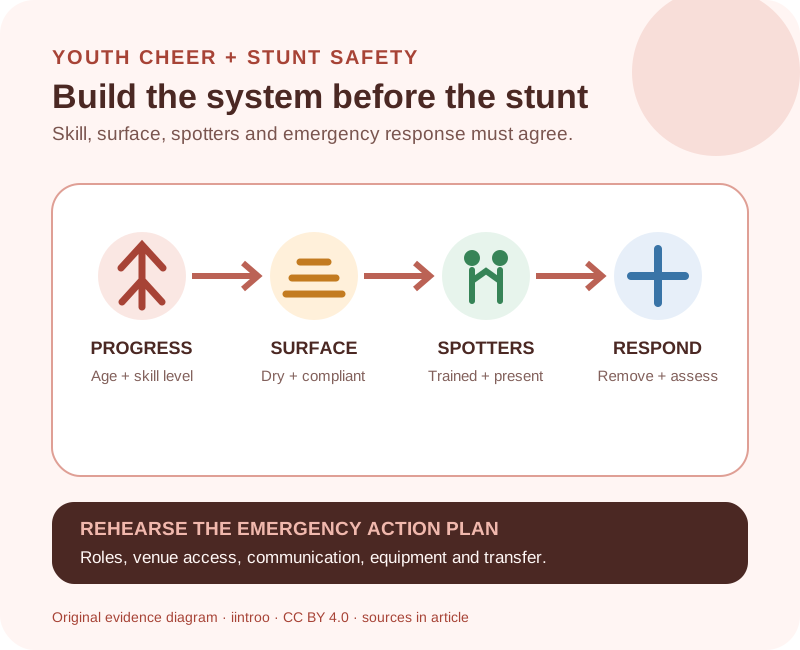
Key points
- Stunts and tumbling should match the athlete's age, skill, strength and current rule level under qualified supervision.
- Safe surfaces, unobstructed space and trained spotters are parts of one control system; none makes an illegal or unprepared skill safe.
- A suspected concussion requires immediate removal and documented medical clearance before return, not a same-day toughness test.
Treat cheer as a sport with specific demands
This guide is for youth cheer athletes, families, coaches and event staff. Cheer combines tumbling, jumps, lifts, pyramids and tosses with very different consequences when technique or timing fails. The overall injury rate can appear low, yet head, neck and other serious injuries make rule compliance, progression and emergency preparation essential.
A 2025 systematic review brought together 27 studies but found differences in settings, definitions and surveillance. Most available data come from the United States, so percentages should not be treated as universal. The practical message is stronger than any one rate: record injuries consistently and respond to the mechanism and athlete, not the stereotype that cheer is only sideline activity.
Progress skill, strength and trust before height
Use the current International Cheer Union or applicable national rules for the athlete's age, discipline and level. A legal skill is not automatically suitable for every group. Athletes need the prerequisite body control, strength, communication and lower-level consistency before adding height, inversion, rotation or release.
Qualified coaches should teach roles and commands, control the number of attempts and stop when fatigue, distraction or fear changes execution. Bases, flyers and spotters share a coordinated task; replacing a missing trained athlete or changing positions at the last moment changes the risk assessment.
Make the surface and space part of the skill
Perform stunts and tumbling only on a compliant, dry, even surface with adequate clearance from walls, ceilings, equipment and other groups. The AAP advises against cheer stunts or skills on concrete, asphalt, dirt, vinyl, wet or uneven surfaces. A mat reduces impact; it does not compensate for poor progression or an illegal stunt.
Inspect the area and equipment before each session, not only at the start of a season. Plan traffic flow, remove jewellery where rules require, and adapt for athletes with disabilities rather than assuming the same spotting setup works. Stop when lighting, space, weather or surface condition no longer matches the plan.
Remove suspected concussion immediately
A fall, collision or sudden acceleration can cause concussion even without loss of consciousness. Headache, dizziness, confusion, balance change, visual symptoms, unusual behaviour or a blank look after an impact should trigger immediate removal and assessment. Do not send the athlete back to prove the symptom has passed.
Return follows a graduated, clinician-led process and the applicable sport and school policy. Neck pain, weakness, numbness, repeated vomiting, seizure, deteriorating consciousness or severe and worsening symptoms require emergency action. Teammates should know how to summon help without moving an athlete who may have a spine injury.
Rehearse the emergency and safeguarding routes
Every gym, school and event needs a written emergency action plan with venue access, responder roles, communication, equipment and transfer arrangements. Rehearse it with the people who will actually be present. Confirm how visiting teams, youth athletes and athletes with disabilities will access care.
Safety also includes a positive environment free from abuse, coercion, bullying and hazing. Athletes need a confidential reporting route outside the immediate selection chain and permission to stop a skill. A culture that rewards silence can defeat excellent rules, mats and emergency equipment.