
Alpine skiing in severe cold: protect skin beyond the run
Speed, wind, wet clothing and waiting time shape cold risk. Plan shelter, dry layers and early response before frostbite signs appear.
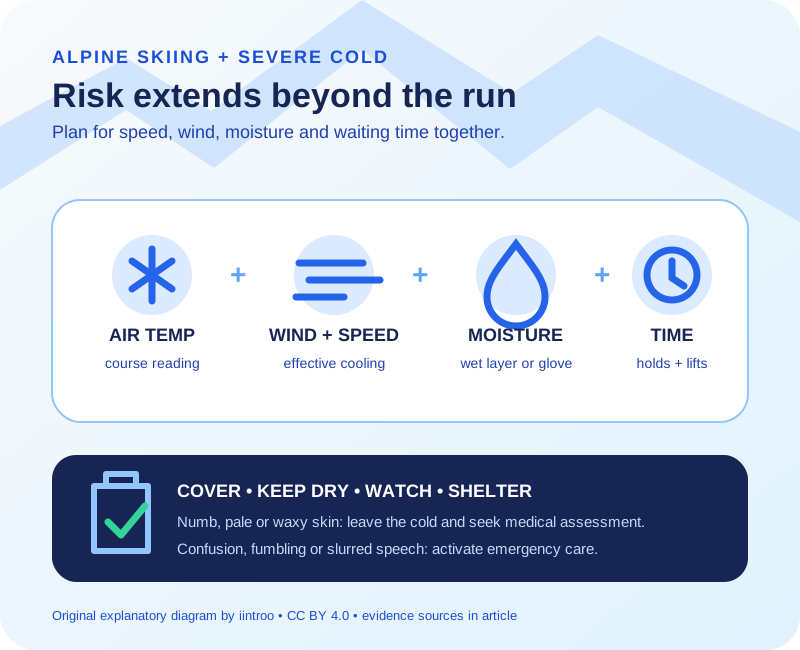
Key points
- Wind, skiing speed, wet clothing and exposure time matter alongside air temperature.
- Numb, pale or waxy skin needs immediate protection and medical assessment.
- Do not rub frozen tissue or apply uncontrolled direct heat.
Cold exposure includes the time between runs
This guide is for alpine skiers, coaches, parents, officials and volunteers working in severe cold. A race run may be brief and physically intense, but course inspection, lift travel, start holds, equipment work and finish-area waiting can extend exposure while heat production falls. Support staff may remain still for even longer.
Air temperature alone does not describe risk. Wind, the skier's speed, wet clothing, exposed skin, duration and individual health all influence heat loss. Use the event's current weather measurements, wind information and medical plan; an app reading from a distant valley is not a course assessment.
Plan layers, shelter and transitions
FIS guidance stresses moisture management, breathable insulating layers, covering exposed skin and changing wet base layers. Clothing also needs to permit safe movement, vision and equipment use. Organisers should identify warming shelter, communication, transport and who can delay or stop participation when conditions change.
Plan the transition after warm-up so sweat does not remain against the skin during a start delay. Spare dry layers and face, hand and foot protection should be accessible rather than locked away downhill. Clothing reduces risk but does not make an athlete invulnerable, especially if fit is tight, circulation is restricted or equipment becomes wet.
Recognise early warning signs
The CDC lists redness or pain as possible early warning, followed by white or grey-yellow colour, unusually firm or waxy skin and numbness. Because loss of feeling can hide progression, athletes and staff should check one another's exposed face and communicate changes. These signs require getting out of the cold and seeking medical assessment.
Confusion, fumbling, slurred speech, unusual drowsiness or loss of coordination can indicate hypothermia and require emergency action. Activate local emergency services and the venue medical plan. Hypothermia takes priority over a local frostbite concern, and this article is not a field-treatment protocol.
Avoid damaging improvised treatment
Do not rub or massage suspected frostbite, use snow, or warm numb tissue against a stove, radiator, heat lamp or uncontrolled heating pad. Numb skin can burn without the person recognising it. Avoid walking on a frostbitten foot unless it is essential for safety.
The Wilderness Medical Society guideline grades recommendations but also notes limits in the evidence. Decisions about field rewarming, evacuation, medication and hospital treatment depend on the whole situation, including whether refreezing could occur. Move to shelter, protect the area and follow trained medical direction rather than copying a treatment temperature from the internet.
Review the plan before returning
A clinician should assess suspected frostbite and determine follow-up. Return to snow depends on tissue injury, sensation, circulation, function, weather and the ability to protect the area; there is no universal waiting period. Previous cold injury and some health conditions or medicines may change individual risk and deserve professional discussion.
After an incident, record the course location, temperature and wind, waiting time, clothing, symptoms and response. Use that review to improve start-hold limits, shelter, buddy checks and transport. The goal is to change the system, not blame the athlete for failing to endure the cold.