
Athletes with asthma: treat the airway and check every inhaler
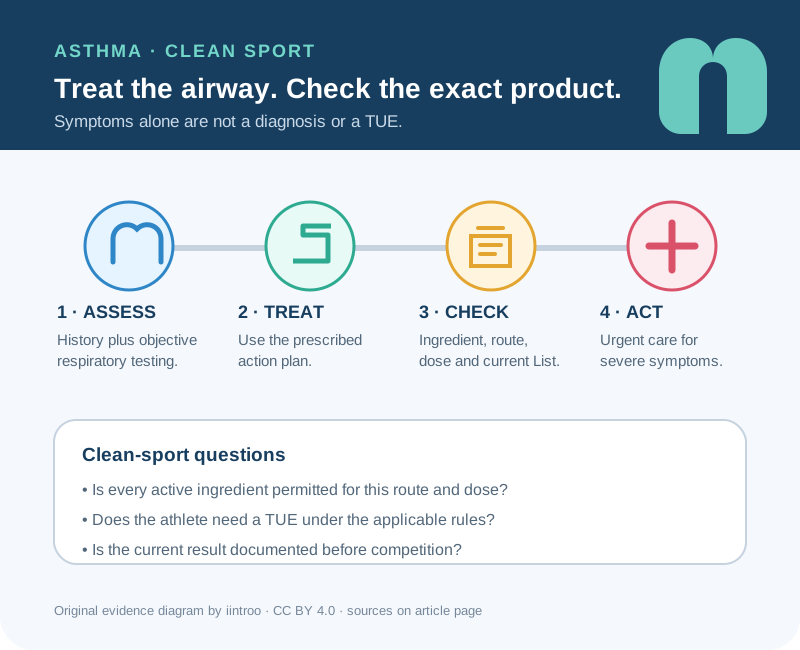
Asthma and exercise-induced bronchoconstriction need proper diagnosis and an action plan. Anti-doping status depends on the exact substance, route and dose, so check current rules before competition.
Key points
- Breathlessness during exercise is not enough to diagnose asthma or exercise-induced bronchoconstriction; objective assessment helps exclude other causes.
- The anti-doping status of an inhaler depends on the active ingredient, route, delivered dose and current rules, not the colour or brand name.
- Anti-doping compliance must not delay emergency asthma care; follow the medical action plan and document treatment promptly.
Do not diagnose from breathlessness alone
This guide is for athletes, families, coaches and support teams. Cough, wheeze, chest tightness or breathlessness around exercise can occur with asthma or exercise-induced bronchoconstriction, but similar symptoms can reflect dysfunctional breathing, upper-airway problems, infection, cardiac disease, low fitness or another condition. WADA's asthma guidance states that symptoms alone are insufficient for diagnosis.
Assessment by a qualified clinician may include history, examination, spirometry and an appropriate bronchodilator or challenge test. The exact pathway depends on age, access and clinical context. A normal result at one time does not license self-treatment, while an online symptom list cannot establish either a diagnosis or a Therapeutic Use Exemption.
Treat asthma for health, not merely for eligibility
GINA's 2026 strategy emphasises inhaled-corticosteroid-containing treatment and an individual action plan rather than relying on repeated short-acting bronchodilator use alone. Exercise should generally be encouraged when asthma is controlled; the goal is safe participation with appropriate treatment, trigger management and review.
Frequent symptoms, night waking, declining performance or repeated reliever use warrant medical review. Severe breathlessness, inability to speak normally, blue or grey colour, exhaustion, confusion or poor response to the prescribed reliever requires urgent emergency action under the athlete's plan. Anti-doping paperwork must never delay emergency care.
Check the substance, route and delivered dose
The 2026 WADA Prohibited List places beta-2 agonists in class S3 and provides specific exceptions for certain inhaled substances within defined delivered-dose limits. Other beta-2 agonists, other routes or amounts outside an exception may be prohibited. A familiar brand name, an over-the-counter sale or a team-mate's permission does not establish compliance.
Check the exact active ingredients, route and prescribed use in the current WADA List and the athlete's applicable anti-doping organisation resources. Combination inhalers require every ingredient to be checked. Rules and product names can change across countries and seasons, so save the current result and involve the team clinician or anti-doping contact before competition.
Know when a TUE question arises
An athlete who medically requires a prohibited substance, route or dose may need a Therapeutic Use Exemption under the rules that apply to their testing pool and competition. WADA's physician guidance describes the clinical documentation expected for asthma, including objective evidence where appropriate. The responsible anti-doping organisation — not this article — decides whether an application is required and granted.
Do not reduce or stop effective treatment simply to avoid paperwork, and do not assume a retrospective application will be accepted. Plan early, especially before selection or international travel. Record emergency treatment on the doping-control form when requested and contact the relevant organisation promptly after an emergency involving a prohibited treatment.
Read performance research cautiously
A 2025 systematic review reported small sprint-performance effects from inhaled beta-2 agonists in some analyses, including permitted-dose subgroups, while aerobic performance was not improved. Trials differed in participants, medicines and protocols. These results do not justify non-medical inhaler use and do not change the need to treat diagnosed airway disease.
The practical sequence is health assessment first, an evidence-based treatment plan second and a precise rule check alongside both. Coaches should not share inhalers, diagnose exercise symptoms or calculate medication doses. Athletes need access to their prescribed reliever and action plan, plus a current anti-doping check that reflects the actual product and use.