
Cross-country skiing and cold-air cough: symptoms do not diagnose EIB
Cold, dry air and high ventilation can stress a skier's airways. Recurrent cough, wheeze or chest tightness deserves objective assessment, while warm-up and airway protection support—not replace—clinical care.
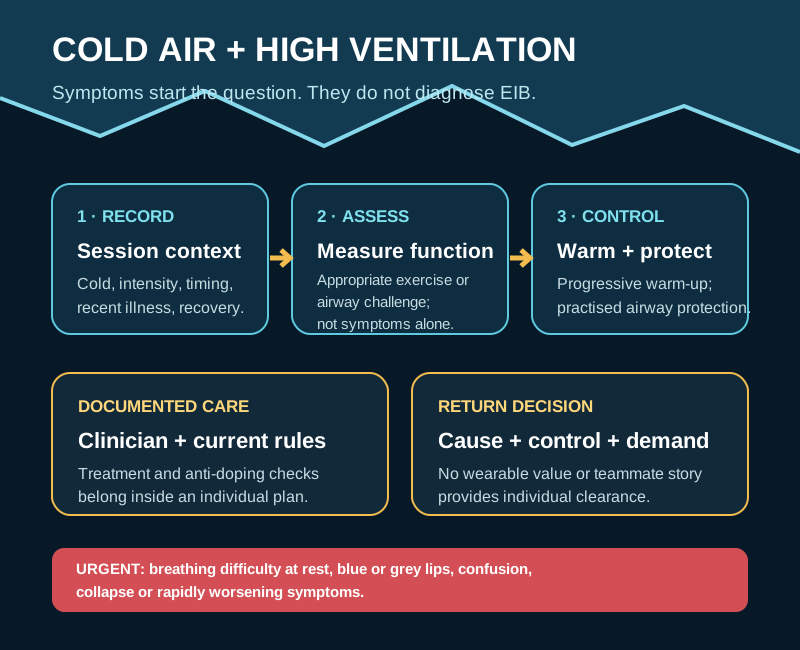
Key points
- Cough, wheeze, chest tightness and unusual breathlessness are not specific enough to diagnose exercise-induced bronchoconstriction on their own.
- A systematic review found high asthma prevalence in competitive cross-country skiers, but study methods and populations varied.
- Breathing difficulty at rest, blue or grey lips, confusion or rapidly worsening symptoms require urgent medical help.
Cold air changes the airway question
This guide is for cross-country skiers, coaches, parents and medical teams. Skiing at high intensity means ventilating large volumes of cold, dry air. That exposure can irritate airways and is associated with exercise-induced bronchoconstriction, often shortened to EIB. FIS describes respiratory protection as part of illness prevention in cold environments, but a cough after a hard interval is not automatically asthma.
A 2020 systematic review included 30 studies and pooled eight for selected prevalence outcomes. Self-reported physician-diagnosed asthma averaged 21%, while total asthma prevalence from three studies was 28%. Those estimates come from different eras, tests and skier populations. They describe a group-level burden, not the probability that one athlete has EIB.
Symptoms start the assessment; they do not finish it
Repeated cough, wheeze, chest tightness, excess mucus, reduced power or breathlessness that is unusual for the workload should be discussed with a qualified clinician. The American Thoracic Society guideline states that EIB is diagnosed by a change in lung function after exercise or another appropriate challenge, not by symptoms alone. Infection, vocal-cord or upper-airway problems, anaemia and other conditions can produce overlapping complaints.
Record the temperature, humidity, session intensity, symptom timing, recovery and any recent illness. This gives the clinician useful context without turning a training diary into a diagnostic test. Do not borrow another athlete's inhaler or use response to medication as a self-test.
Warm-up and airway protection are risk controls, not cures
A progressive warm-up may produce a temporary refractory period in some people with EIB. The ATS guideline supports interval or combination warm-up, and suggests a device that warms and humidifies inhaled air for patients with EIB exercising in cold weather; the evidence for the device recommendation was low quality. FIS also discusses heat-and-moisture exchange masks or specialised scarves during warm-up.
Practise any mask or mouthpiece in training because fit, breathing resistance, fogging and communication can matter. Manage the transition to the start so the athlete does not cool while waiting in damp clothing. Follow the event's current environmental and equipment rules rather than applying one temperature cut-off to every venue and athlete.
Medication belongs inside a documented care plan
A clinician may prescribe treatment after assessment and monitor whether it controls symptoms and airway response. This article does not recommend a drug, dose or inhaler schedule. Athletes subject to anti-doping rules should check the exact substance, route and dose against the current WADA Prohibited List and their anti-doping organisation; rules can distinguish permitted inhaled use from prohibited use or thresholds.
A Therapeutic Use Exemption may be relevant for some treatments, but it is not created by a diagnosis alone. Keep prescriptions and competition documentation current. Never reduce necessary medical care simply to avoid asking the anti-doping question—resolve it early with the treating clinician and responsible organisation.
Know when breathing symptoms are urgent
Stop exercise and activate the local emergency plan for severe or rapidly worsening breathlessness, difficulty speaking, breathing difficulty at rest, blue or grey lips, confusion, collapse or poor response to the athlete's prescribed rescue plan. Coaches need communication, shelter and evacuation arrangements before training in remote terrain.
Return after an acute episode depends on medical assessment, symptom control, the cause and the demands of the next session. A normal day, a wearable reading or a teammate's experience cannot provide individual clearance.
Sources: 2