
Jet lag in athletes: time light, sleep and training to the destination
Travel fatigue and jet lag overlap but are not identical. Build a route-specific plan around destination time, timed light, protected sleep and a cautious competition schedule instead of relying on one supplement.
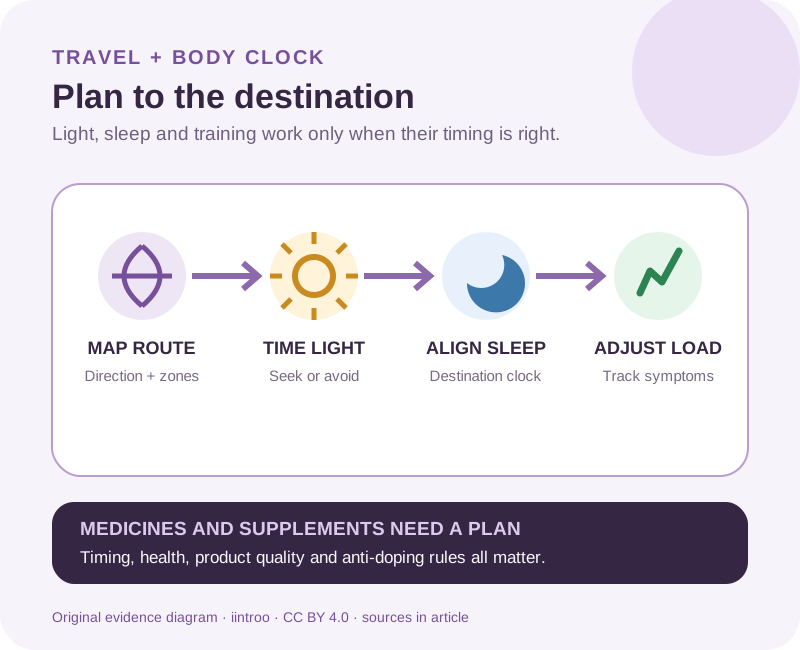
Key points
- Travel fatigue can follow any demanding journey; jet lag specifically involves a mismatch between the body clock and local time after rapid time-zone travel.
- Light can shift the body clock in either direction, so poorly timed exposure or avoidance may be counterproductive.
- Melatonin, caffeine and sleep medicines require individual medical, anti-doping and product-risk checks; none replaces a schedule plan.
Separate travel fatigue from clock misalignment
This guide is for athletes and support teams crossing time zones. Travel fatigue reflects the journey's sleep loss, sitting, stress and disrupted routine and can occur without changing time zones. Jet lag is circadian misalignment after rapid transmeridian travel, often bringing disturbed sleep, daytime sleepiness, impaired concentration, mood or gastrointestinal symptoms.
The route matters: direction, number of time zones, departure and arrival times, trip length and the athlete's normal sleep pattern change the problem. A 2026 review included 89 studies but found heterogeneous methods and a mixture of low-, moderate- and high-risk-of-bias evidence. A wearable score alone cannot diagnose jet lag or predict readiness.
Build the plan before boarding
Map the destination schedule, competition time and likely sleep opportunity before selecting flights. When possible, protect sleep in the days before travel and avoid creating a preventable deficit. Some journeys may allow a gradual shift toward destination time; short trips may instead call for limited adaptation. The choice is route- and event-specific.
Decide when the athlete should seek or avoid light, sleep, eat and train. Light is a powerful time cue, but its effect depends on biological timing; the wrong exposure can push adaptation in the wrong direction. Generic online calculators can support planning, not replace a practitioner who understands the itinerary, medical history and event demands.
Use the destination clock deliberately
During travel and after arrival, align meals, activity and planned sleep with the chosen destination strategy. Hydration supports comfort but does not reset the body clock. Limit excess alcohol because it disrupts sleep, and use brief naps cautiously so they relieve severe sleepiness without removing the pressure needed for the next main sleep period.
Schedule demanding technical or tactical sessions only after considering alertness, coordination and the local competition time. Outdoor daylight and exercise can help adaptation when timed appropriately. Athletes should not drive, swim alone, train at height or complete other high-consequence tasks when dangerously sleepy.
Treat medicines and supplements as clinical decisions
Melatonin can shift circadian timing, but timing, product quality and individual factors matter. An incorrectly timed dose may be unhelpful or counterproductive, and supplement contents can vary. Caffeine may improve alertness but can delay sleep. Prescription sleep medicines can impair coordination or cause next-day effects.
Discuss these options with a qualified clinician, check current anti-doping rules and use the team's supplement-risk process. Do not trial a new product on the flight to a major event. The 2026 athlete-travel narrative review offers a practical framework but includes authors employed by a wearable company; it should be read alongside independent consensus and systematic evidence.
Monitor symptoms and protect recovery after arrival
Track sleep opportunity, daytime sleepiness, mood, gastrointestinal symptoms and training response rather than forcing a normal workload because the calendar says the athlete has arrived. Adjust volume, timing and technical risk while the athlete adapts. Para athletes and those managing migraine, epilepsy, diabetes or medication schedules may need additional route-specific planning.
Persistent insomnia, severe daytime sleepiness or symptoms that do not fit ordinary jet lag deserve clinical review. The aim is not to eliminate every symptom; it is to reduce avoidable circadian disruption and place the highest-consequence training and competition decisions when the athlete can perform them safely.