
ADHD medication in sport: treat the athlete and check the anti-doping rules
An ADHD diagnosis does not exclude an athlete from treatment or competition. Check every medicine, document genuine care and plan any TUE early.
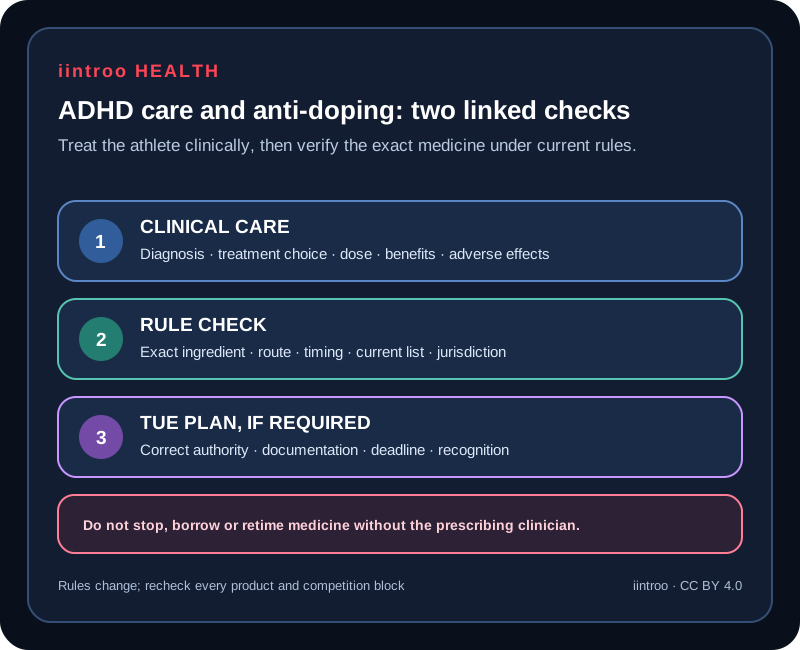
Key points
- ADHD care is a clinical decision; anti-doping status is a separate regulatory check that depends on the exact substance, route and timing.
- The 2026 WADA list prohibits several stimulants in competition, and some athletes may need an approved Therapeutic Use Exemption.
- Stopping, changing or timing medication without the prescribing clinician is not a safe substitute for checking the rules and TUE process.
Keep treatment and anti-doping questions distinct
This guide is for athletes with ADHD, families, prescribers, coaches and support staff. A clinician assesses diagnosis, impairment, treatment options, dose, benefits and adverse effects. An anti-doping organisation decides whether a substance or method is prohibited and which Therapeutic Use Exemption, or TUE, process applies. Neither role should be replaced by a coach or internet checklist.
The 2026 WADA Prohibited List places several stimulant medicines used for ADHD in the in-competition category. Status depends on the exact active ingredient, route and timing, and the list is updated annually. Brand names can contain different ingredients across countries. Check the current list and a recognised medication database or the responsible anti-doping organisation.
Do not stop or reschedule medicine on your own
Skipping, splitting, delaying or abruptly changing prescribed medication to navigate competition can affect symptoms, school or work, driving, sleep and wellbeing. It can also fail to resolve the regulatory issue. Discuss any change with the prescribing clinician and anti-doping contact early; never borrow medication or use another athlete's prescription.
The American Medical Society for Sports Medicine position statement supports multidisciplinary, individual care and timely documentation. Monitoring can include symptom response, appetite, sleep, mood, heart rate, blood pressure and other issues relevant to the medicine and athlete. The appropriate plan is personal and may change over time.
Build the record before a deadline
WADA's ADHD guidance describes the clinical information a TUE committee may need: a comprehensive history, evidence supporting diagnosis, relevant assessment methods, the medication and dose, follow-up and the rationale for treatment. A completed form alone does not guarantee approval, and incomplete documentation can delay a decision.
Ask which organisation has jurisdiction, whether a TUE is required in advance, how recognition works when moving from national to international competition, and which deadlines apply. Keep decisions and confirmation from the authorised body. A prescription, doctor's note or previous approval is not automatically a valid TUE for every event.
Read performance research without stigmatising care
A systematic review found that some stimulant studies reported performance and physiological effects, including changes in heart rate and core temperature, but only nine trials met inclusion criteria and the small meta-analysis produced conflicting results. Many studies examined acute dosing under controlled conditions, not long-term treatment in diverse athletes with ADHD.
Those limitations do not make a genuine diagnosis illegitimate, and they do not permit non-medical use. The TUE system evaluates medical need against defined criteria. Teams should protect confidentiality, avoid pressuring an athlete to disclose beyond what is necessary and reject stereotypes that treatment is either cheating or a universal performance aid.
Use one pre-competition medication check
Before each competition block, confirm the exact product, active ingredient, dose, route, prescribing clinician, current list status, TUE decision and jurisdiction. Recheck after a prescription change, annual list update, change of competition level or travel to a country where the brand differs. Keep supplements in a separate risk review because labels may be incomplete or contaminated.
Urgent chest pain, collapse, severe shortness of breath, seizure, marked agitation or other severe symptoms require urgent medical care. Less acute adverse effects or worsening ADHD symptoms deserve timely clinical review. This article does not diagnose ADHD, recommend a medication or determine TUE eligibility.