
Endometriosis in athletes: pelvic pain is not a toughness test
Severe period pain, chronic pelvic pain, heavy bleeding and fatigue can disrupt training and daily life. Adapt load, protect privacy and support timely clinical care without treating exercise as a cure.
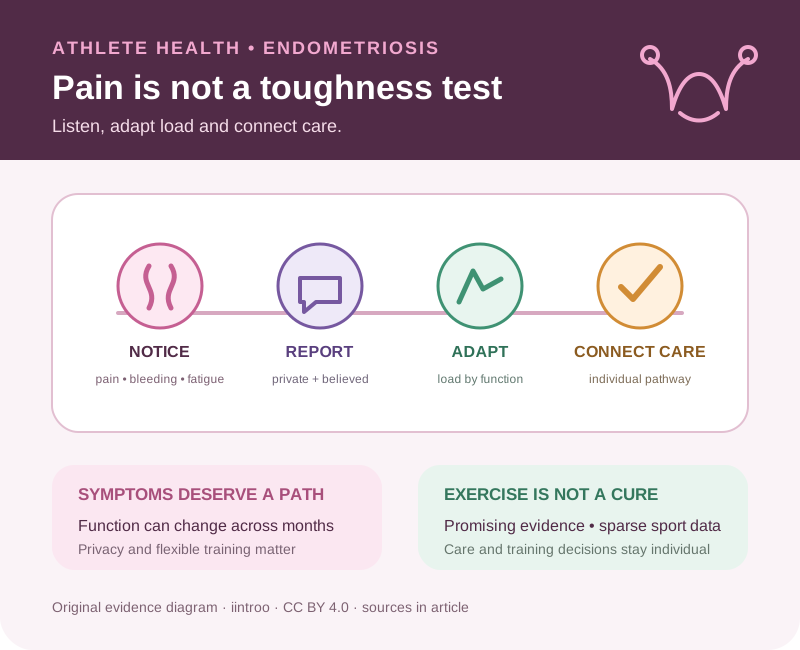
Key points
- Endometriosis can cause severe menstrual pain, chronic pelvic pain, heavy bleeding, fatigue and fertility problems, but symptoms and their impact vary widely.
- Diagnosis can be based on symptoms and imaging in appropriate care; surgery is not always required before treatment begins.
- Exercise may help pain or quality of life for some people, but athlete-specific evidence is sparse and exercise should not be presented as a cure or a substitute for care.
Recognise symptoms without diagnosing the athlete
This guide is for athletes who menstruate, coaches, families and health teams. Endometriosis is a chronic condition in which tissue similar to the uterine lining grows outside the uterus. Symptoms may include severe period pain, chronic pelvic pain, pain with bowel movements or urination, heavy bleeding, fatigue and fertility difficulty; some people have few symptoms and others have major disruption.
Pain that repeatedly stops training, interrupts sleep, causes vomiting or faintness, or changes school, work or daily function should not be dismissed as normal toughness. A coach should record the functional problem and support confidential access to care, not label the condition from a cycle app or demand proof in front of teammates.
Timely assessment does not always begin with surgery
WHO, ESHRE and the 2026 Canadian guideline support symptom-led assessment with appropriate examination and imaging when indicated. Surgery is not always required before a clinical diagnosis or treatment begins. The pathway depends on symptoms, age, fertility goals, other possible causes of pelvic pain and access to skilled care.
Urgent assessment is needed for sudden severe pelvic or abdominal pain, fainting, signs of major blood loss, pregnancy with pain or bleeding, fever with worsening illness, or another acute concern. Persistent heavy bleeding, fatigue or reduced exercise tolerance may also justify evaluation for anaemia or other conditions. This article cannot determine the cause of an athlete’s symptoms.
Adapt the training day without making a permanent rule
Useful options may include moving the hardest session, reducing impact or intensity, extending the warm-up, choosing accessible bathroom breaks, and planning travel, heat and recovery around symptoms. Adaptation should follow the athlete’s reported function and preferences rather than a universal menstrual-cycle phase rule. Symptoms can change across months and during treatment.
Recent systematic reviews suggest exercise or rehabilitation may improve pain or quality of life for some people, but included interventions and samples are small and heterogeneous. These findings do not establish one best programme, show that training harder treats lesions, or prove that exercise can replace medical, surgical, psychological or pelvic-health care when those are indicated.
Protect privacy and keep support multidisciplinary
The athlete decides who needs to know. Coaches generally need functional information—what limits participation, what adaptation is agreed and who to contact—not intimate diagnostic details. A coordinated plan may involve primary care, gynaecology, pelvic-health physiotherapy, pain services, nutrition, psychology and the athlete’s usual sports medicine team.
The physical-activity literature remains too limited to define prevalence, load response or performance effects in elite athletes with confidence. Findings from the general population or small intervention groups should not be stretched into a universal sports protocol. Teams should provide access and flexibility without claiming that endometriosis explains every pain episode or performance change.
Return to full load through function, not silence
A return plan can track pain, bleeding, fatigue, sleep, gastrointestinal symptoms, confidence and response during and after progressively harder sessions. Treatment changes, surgery and iron deficiency may each alter the progression. Competition readiness is individual and should include ordinary daily function as well as sport-specific work.
The goal is not zero discussion or forced disclosure; it is a reliable route to care and adjustable training. Recurrent symptoms deserve review even if the athlete can finish a session. This article does not diagnose endometriosis, recommend hormones or surgery, or prescribe an exercise dose.