
Do athletes need a gluten-free diet? Performance claims and coeliac testing
Separate gluten-free performance claims from coeliac treatment, understand testing before dietary exclusion, and protect a varied training diet.
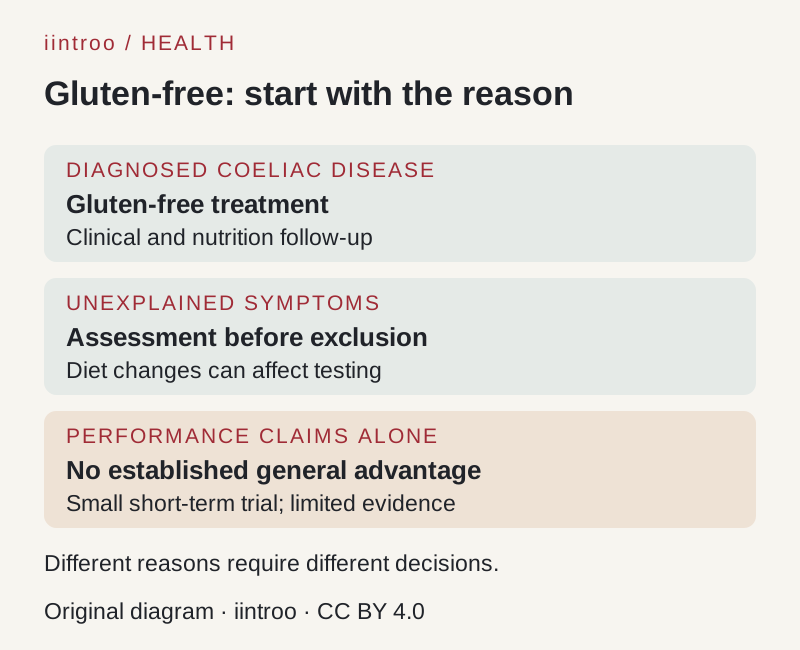
Key points
- A gluten-free diet is treatment for diagnosed coeliac disease, not an established performance aid for all athletes.
- Removing gluten before coeliac testing can make results harder to interpret.
- A small seven-day cycling trial cannot settle every long-term dietary question.
Start with the reason for changing the diet
This guide is for runners and other athletes considering gluten avoidance, and for coaches arranging team food. A diagnosed medical condition, persistent digestive symptoms and a claim about faster race times are different situations. An athlete who needs a gluten-free diet should receive practical support; another athlete should not be told that avoiding bread automatically improves health or performance.
Gluten occurs in grains including wheat, barley and rye. Coeliac disease requires a lifelong gluten-free diet and appropriate follow-up. The 2026 British Society of Gastroenterology guideline concerns adults; a child's diagnostic and treatment pathway should be led by their clinical team rather than copied from adult guidance.
What the performance trial actually tested
A randomized, double-blind crossover study tested seven-day gluten-containing and gluten-free diets in 13 competitive endurance cyclists, eight men and five women, without coeliac disease or irritable bowel syndrome. A washout separated the dietary periods. Testing included a 45-minute ride followed by a 15-minute cycling time trial.
The study found no advantage from the gluten-free condition for performance, digestive symptoms, wellbeing or the measured inflammatory outcomes. Thirteen adults over one week cannot resolve long-term effects, every sport or the needs of symptomatic patients. The useful conclusion is narrower: this trial does not support gluten removal as a routine performance aid in otherwise suitable noncoeliac athletes.
Sources: 1
Investigate symptoms before removing gluten
NIDDK explains that symptoms alone do not diagnose coeliac disease because other digestive disorders can look similar. Medical history and testing matter. Both NIDDK and the 2026 BSG guideline caution that assessment should occur while the person is consuming gluten: avoiding it beforehand can alter test results and complicate diagnosis.
If you have already removed gluten, tell the clinician before testing. Do not design your own gluten challenge, particularly if there is a history of a serious reaction or possible wheat allergy. Persistent digestive symptoms, unexplained weight loss, growth concerns or anaemia deserve assessment instead of repeated self-directed elimination diets.
Symptom improvement does not identify the trigger
Some people without coeliac disease report symptoms associated with gluten-containing foods. Dietitians Australia notes uncertainty about whether gluten itself or other grain components, such as fructans, explain those symptoms. Feeling better after changing several foods at once does not establish which component mattered or rule out an underlying condition.
Bring a record of symptoms, usual foods and recent dietary changes to an assessment. For an athlete, include how eating fits around training so the professional can understand the practical context. A clinician and dietitian can decide whether a structured dietary investigation is appropriate without assuming every episode of bloating requires permanent gluten avoidance.
Make necessary restrictions nutritionally workable
Gluten-free does not automatically mean nutritionally superior. Commercial substitutes vary, and removing familiar grains without replacements can reduce dietary variety and fibre. A dietitian can help build meals around suitable foods, preserve adequate energy intake and review nutrient needs. A gluten-free label is not evidence that a product improves recovery.
For diagnosed coeliac disease, plan shopping, shared food preparation and team catering with the treating team, including cross-contact precautions. Communicate these needs before camps or travel. Follow-up may include assessment of nutrient deficiencies; the BSG guideline does not endorse blanket supplementation beyond usual national recommendations. The goal is effective disease management with a sustainable training diet, not a restrictive performance trend.