
Female endurance athletes and iron: test before supplementing
Fatigue alone cannot diagnose iron deficiency. Learn why symptoms, diet, training and properly timed blood tests need professional interpretation.
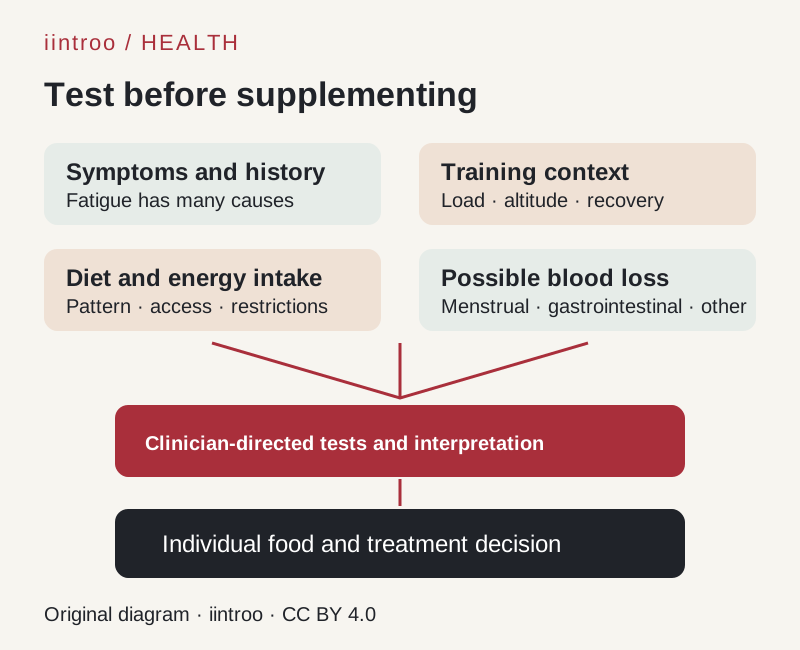
Key points
- Iron deficiency and iron-deficiency anaemia are related but not identical.
- Fatigue has many possible causes and cannot confirm iron status.
- Iron supplements should follow testing and professional supervision.
Who should read this
This guide is for female endurance athletes, including road cyclists, and the coaches or family members supporting them. Iron contributes to oxygen transport, energy metabolism and other body functions. Low iron status may matter for health and endurance, but tired legs after a hard block do not establish a deficiency.
Possible contributors include dietary restriction, inadequate energy intake, rapid growth, heavy menstrual bleeding and the demands of training. Gastrointestinal or other blood loss and medical conditions can also matter. These possibilities require history and assessment, not an assumption that every fatigued athlete needs iron.
Deficiency is not one number or one symptom
Iron deficiency can occur without anaemia, while anaemia has causes other than iron deficiency. The AIS guidance is written for sports physicians, dietitians and physiologists and uses multiple blood markers and clinical context. Exercise, illness, inflammation, altitude exposure and timing can affect interpretation.
A clinician should decide which tests are appropriate and how to interpret them. Athletes should report changes in performance, recovery, breathlessness, illness, diet, menstrual bleeding and training load, while recognising that none is diagnostic alone. Seek prompt medical advice for severe breathlessness, chest pain, fainting, significant bleeding or rapidly worsening symptoms.
What the performance review found
A systematic review included 23 studies, 669 high-level female athletes aged 13 to 47 and 16 sports. It found that iron deficiency could impair endurance-related outcomes and that treating confirmed deficiency sometimes improved them. Most included studies had groups of 20 athletes or fewer, interventions differed and the authors judged most study quality as moderate.
Those findings apply to studied groups, not as a promise that supplements improve every cyclist. The evidence was clearer for endurance and aerobic outcomes than for strength or power. Diagnostic thresholds also varied, which is another reason not to self-diagnose from an isolated result.
Sources: 2
Food review before product shopping
A sports dietitian can review total energy intake, iron-containing foods, dietary pattern and the timing of meals around training. That conversation should respect culture, budget, preferences and any gastrointestinal difficulty. Food advice must also account for the cause and severity of a confirmed deficiency.
Iron products are not a harmless insurance policy. Unnecessary use can cause adverse effects and may delay investigation of the real cause of symptoms. If supplementation is prescribed, follow the clinician's product, dose, timing and follow-up plan rather than copying another athlete.
Make the support plan practical
Teams can provide confidential access to qualified medical and nutrition support and avoid commenting on body size as a shortcut for health. The athlete should know who receives test results, how privacy is protected and when follow-up is planned.
The linked 2026 Research record summarises a broader intervention review in active females; this Health guide focuses on applying the evidence safely. Neither source provides a universal screening frequency or supplement programme for every age, sport or level.