
PCOS in athletes: support health without reducing care to weight
Irregular periods, acne or performance change do not diagnose PCOS. Clinical assessment, metabolic health and athlete-led training support belong together.
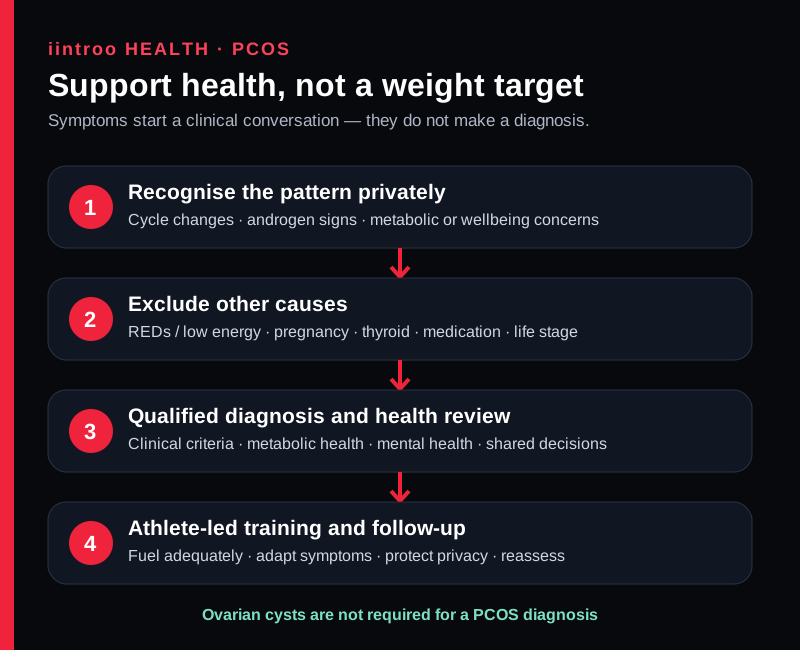
Key points
- PCOS is a clinical diagnosis made after other causes are considered; ovarian cysts are not required and a scan alone does not diagnose it.
- Exercise can support metabolic health, fitness and quality of life, but current studies do not justify one ideal training mode or a weight-loss requirement for every athlete.
- Irregular cycles in sport can also relate to low energy availability, pregnancy, medication, thyroid disease and other conditions, so self-diagnosis can delay appropriate care.
Recognise a pattern without diagnosing it in the locker room
This guide is for athletes, coaches, families and health teams. PCOS can involve irregular or absent periods, signs of higher androgen exposure such as excess hair or acne, fertility concerns and metabolic or psychological effects. Symptoms vary, and some people have few outward signs. Privacy and the athlete's preferred language should guide every conversation.
WHO explains that diagnosis generally requires at least two recognised features after other causes are excluded. Polycystic-appearing ovaries are not required, and the name should not be treated as an instruction to look for cysts on every scan. Coaches must not diagnose PCOS from cycle tracking, body shape, acne or a performance plateau.
Keep the differential diagnosis open
Irregular cycles can also occur with low energy availability and REDs, pregnancy, thyroid or prolactin disorders, medication effects, perimenopause and other reproductive or endocrine conditions. In adolescents, cycle patterns and diagnostic thresholds require particular care because normal maturation can overlap with PCOS features.
Arrange qualified clinical assessment rather than offering supplements or weight loss from a symptom checklist. The evaluation may include menstrual and medical history, examination and selected laboratory or metabolic tests. Severe pelvic pain, very heavy bleeding, fainting, possible pregnancy or acute illness requires timely care based on the symptoms, not a delayed team review.
Exercise is part of care, not a punishment
The international guideline recommends healthy eating and physical activity for health and quality of life whether or not weight changes. A 2025 systematic review of 15 randomised trials reported improvements in several metabolic, fitness and quality-of-life outcomes, but did not find clear reproductive-function effects. Study programmes, populations and outcomes varied.
A newer network meta-analysis ranked different exercise modes for selected outcomes, but rankings across small, heterogeneous trials should not be converted into a universal prescription. Athletes already train; the relevant plan may involve maintaining, redistributing or recovering from load rather than simply adding more exercise. A clinician, sports dietitian and qualified exercise professional can coordinate care with the athlete.
Protect energy availability and mental health
PCOS is often discussed through weight, but weight stigma can damage care and is not a diagnosis or performance plan. Restrictive dieting can impair fuelling, recovery and psychological health. Review whether intake supports training, daily life and health without assuming that every symptom comes from body size or that losing weight is necessary for selection.
WHO and the international guideline recognise anxiety, depression, eating disorders, body-image concerns and reduced quality of life. Offer confidential screening and qualified support when indicated. Treatment choices, including medication or fertility care, belong to shared clinical decision-making; a coach should not recommend starting, stopping or changing them for performance reasons.
Build an athlete-led support plan
With consent, the support plan can address symptom tracking, recovery, travel, sleep, access to toilets or menstrual products and flexibility during difficult symptom periods. Do not require disclosure to teammates or publish cycle data in shared performance dashboards. Explain who can see health information and how it affects selection decisions.
Track outcomes that matter to the athlete: symptoms, wellbeing, metabolic health, training tolerance and goals. Reassess when symptoms, medication, life stage or training changes. This article is educational; it cannot diagnose PCOS, interpret blood tests, prescribe nutrition or medication, or replace individual care.