
Sleep apnea in athletes: snoring, fatigue and when to seek assessment
Fitness does not rule out sleep apnea. Repeated breathing pauses, loud snoring and daytime sleepiness deserve clinical assessment, not a wearable diagnosis.
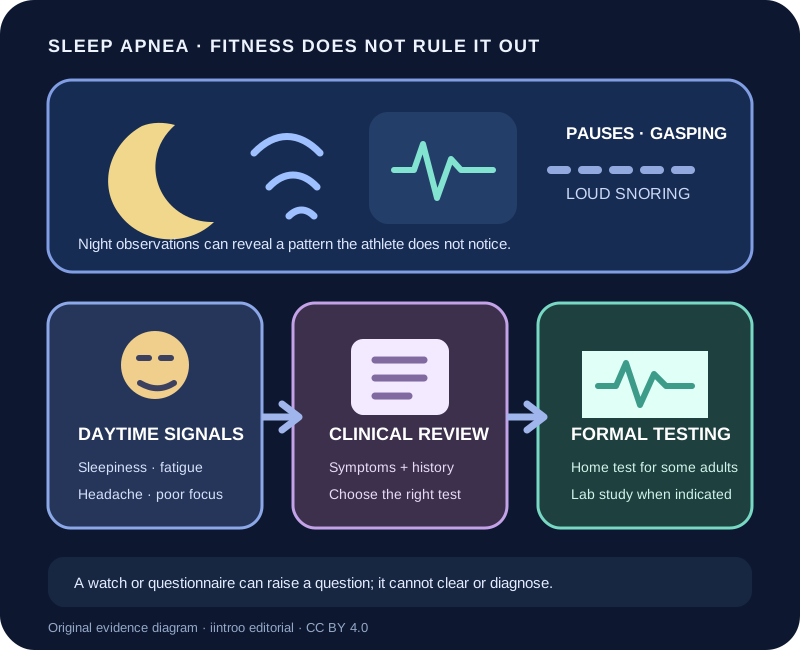
Key points
- Being fit does not rule out sleep-related breathing disorders; published athlete estimates vary widely because sports, samples and testing methods differ.
- Repeated breathing pauses, gasping, loud snoring, morning headache, insomnia or daytime sleepiness should prompt a clinical conversation, especially when driving or reaction safety is affected.
- A watch, ring, phone recording or questionnaire can raise a question but cannot diagnose or exclude obstructive sleep apnea; testing must be selected and interpreted clinically.
Athletic fitness does not keep the airway open
This guide is for adult athletes, partners, coaches and health teams. Obstructive sleep apnea involves repeated narrowing or closure of the upper airway during sleep. Fitness and normal daytime breathing do not exclude it. Anatomy, age, body composition, medication, alcohol, nasal obstruction and other medical factors can all contribute, and the relevant pattern differs between people.
A 2025 systematic review found reported sleep-related breathing disorder frequencies from 7% to 86.5% across included athlete groups. Rugby, American football and other larger-body collision-sport samples dominated the evidence, while only one Para-athlete study was included. Those extremes reflect selected samples and different methods; they are not prevalence estimates to apply to every team.
Night signs and daytime function both matter
A bed partner may notice repeated breathing pauses, loud snoring or gasping. The athlete may report dry mouth, morning headache, unrefreshing sleep, insomnia, frequent night-time urination, irritability, poor concentration or excessive daytime sleepiness. Women may present more often with fatigue, headache or insomnia rather than the stereotyped complaint of loud snoring.
Daytime sleepiness matters beyond performance. Falling asleep while driving, near-misses, impaired reaction time or difficulty staying awake requires prompt attention and avoidance of unsafe driving or machinery. Sudden chest pain, severe breathing difficulty, fainting or another acute emergency needs urgent care; sleep apnea is not an explanation to assume without assessment.
Screening is not diagnosis
A clinician reviews symptoms, medical history, medication, examination and pre-test likelihood before selecting testing. In-laboratory polysomnography records sleep and breathing in detail; a home sleep apnea test may be appropriate for selected adults. The AASM notes that most home tests cannot detect arousals and that a negative home study does not always end the investigation when clinical suspicion remains high.
Questionnaires, overnight pulse oximetry, phone audio and consumer wearables can miss events or create false alarms. A low oxygen score on a watch does not establish apnea, while a reassuring score does not rule it out. Bring the device trend and a sleep diary to the appointment as context, not as a diagnosis or permission to self-treat.
Do not solve unexplained fatigue with more stimulants
Poor sleep opportunity, jet lag, depression, anxiety, infection, iron deficiency, overreaching, medication effects and other conditions can overlap with apnea symptoms. Increasing caffeine, pre-workout stimulants or late-day naps may mask sleepiness while worsening the next night. A clinician should evaluate the pattern rather than a coach assigning one cause from training data.
Keep a record of bed and wake times, observed breathing, naps, morning symptoms, training load, alcohol, relevant medication and dangerous sleepiness. Protect sufficient sleep opportunity while waiting for assessment. This is supportive information, not a substitute for a sleep study when one is indicated.
Treatment is individual and follow-up is part of sport planning
Treatment depends on the diagnosis and may include positive-airway-pressure therapy, an oral appliance fitted by a qualified dental clinician, surgery or management of contributing conditions. Weight loss is not an appropriate universal instruction and body size alone cannot diagnose apnea. Athletes should not borrow a device or buy an unassessed mouthpiece online.
The athlete and clinical team can plan travel with equipment, power access, cleaning, medication and anti-doping checks when relevant. Follow-up should address symptom response, adherence and whether sleepiness has resolved. The systematic review found only a few athlete treatment studies, so performance improvement should not be promised; the primary aim is effective clinical care and safer daytime function.