
Traveller's diarrhoea in athletes: food, water and a safe return
Competition travel can bring diarrhoea, dehydration and missed training. Prepare food and water safeguards, rehydrate safely and know the red flags early.
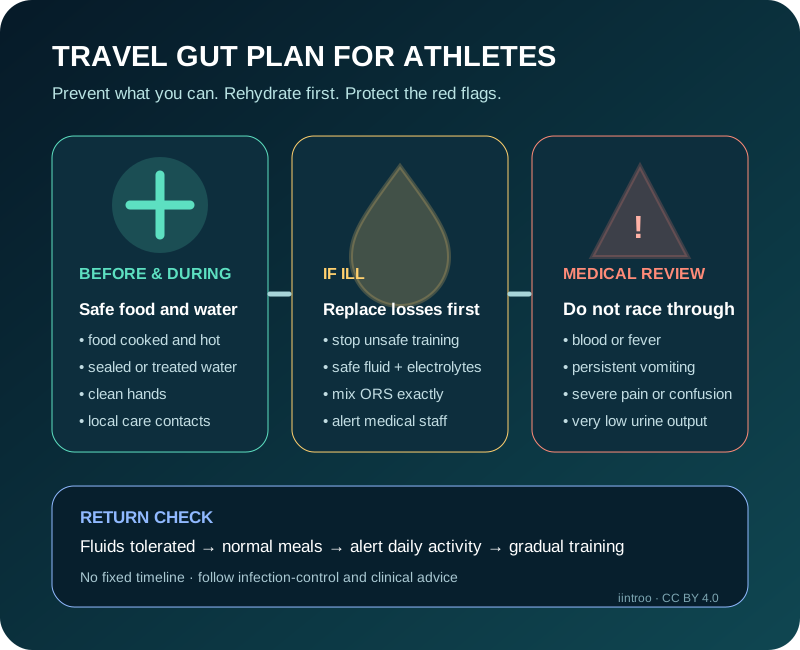
Key points
- The CDC describes traveller's diarrhoea as the most predictable travel-related illness, but careful food and water choices reduce rather than remove exposure risk.
- Fluid replacement is central; severe losses are better replaced with correctly mixed oral rehydration salts than with very sweet drinks.
- Bloody diarrhoea, fever, persistent vomiting, severe abdominal pain, confusion or signs of dehydration require medical assessment rather than a race-day workaround.
Plan for illness before the team travels
This guide is for athletes, parents, coaches and medical teams travelling for training or competition. WHO advises a destination-specific health review, ideally four to eight weeks before departure, while the CDC describes traveller's diarrhoea as highly predictable. The plan should identify safe catering, drinking water, hand-hygiene supplies, local medical contacts, insurance and who will make return-to-play decisions.
Underlying gastrointestinal disease, diabetes, pregnancy, immune suppression, disability-related support needs and regular medicines can change risk and treatment. Carry adequate prescribed medication and documentation, and check destination law. A generic team packing list cannot replace an individual travel-clinic or treating-clinician assessment.
Reduce exposure without promising perfect prevention
Choose food that is thoroughly cooked and served hot; be cautious with raw or undercooked meat, seafood, eggs, unpasteurised dairy and raw produce when hygiene is uncertain. Use sealed, boiled or otherwise reliably treated water for drinking and, where advised, brushing teeth and making ice. Clean hands before eating and after using the toilet.
These measures lower exposure but do not make risk zero because catering hygiene and sanitation infrastructure matter. A small 2008 team audit reported fewer cases after a hygiene programme, but it was not a randomised trial and improved catering may have contributed. Do not frame one team's experience as proof of a particular routine.
Replace losses before thinking about performance
Stop training when diarrhoea, vomiting, dizziness or weakness makes safe participation doubtful. Sip safe fluid and replace electrolytes. For substantial loss, use a packaged oral rehydration salt exactly as directed with the stated volume of safe water; making it too concentrated or dilute changes the formula. Very sweet drinks can worsen osmotic diarrhoea when consumed in quantity.
Track urine, thirst, alertness, vomiting and the ability to keep fluid down, but do not use body mass or urine colour as a stand-alone clearance test. Hot environments, endurance events, young athletes, older adults and some medical conditions narrow the margin for error. Team staff should prevent pressure to hide symptoms to protect selection.
Medication needs a destination-specific clinician plan
The CDC discourages preventive antibiotics for most travellers because side effects, Clostridioides difficile infection and antimicrobial resistance usually outweigh benefit. Treatment choice depends on illness severity, destination resistance, age, pregnancy, allergies, drug interactions and whether diarrhoea is bloody or accompanied by fever. Athletes must also check anti-doping and import rules.
Do not copy an online antibiotic schedule or use a teammate's medicine. Anti-motility drugs are not appropriate as sole treatment for bloody diarrhoea or diarrhoea with fever. A pre-travel clinician can provide an individual action plan and explain exactly when self-treatment, testing or local care is appropriate.
Return when ordinary function is back
Seek prompt care for blood in stool, high or persistent fever, severe abdominal pain, confusion, fainting, very low urine output, persistent vomiting, inability to drink, symptoms lasting beyond the expected course or illness in a medically vulnerable athlete. Alert team medical staff early so that a possible outbreak and food source can be managed without blaming the athlete.
Return only after fluids and normal meals are tolerated, hydration and alertness are restored, and daily activity no longer provokes symptoms. Begin below normal intensity and reassess in heat or long-duration sport. There is no universal waiting period: diagnosis, severity, infection-control requirements and the clinician's advice determine progression.