
Athletes with type 1 diabetes: make the glucose plan part of training
Exercise type, insulin on board, food and recovery can shift glucose in different directions. A practical sport plan combines monitoring, accessible treatment, trained support and an individual diabetes-team strategy.
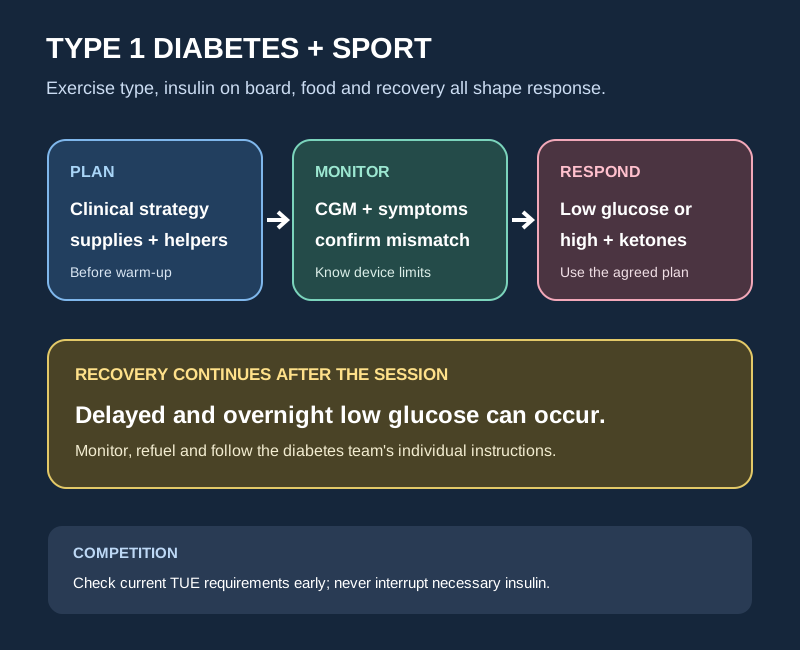
Key points
- Aerobic, sprint, strength and mixed sessions can produce different glucose responses, so one athlete's insulin or carbohydrate strategy should not be copied.
- Continuous glucose monitoring is useful but can lag behind blood glucose during exercise; symptoms and unexpected readings need the athlete's agreed confirmation plan.
- Fast-acting carbohydrate, prescribed rescue medication, trained support and a post-exercise plan should be available before the session begins.
Treat exercise as a changing glucose context
This guide is for athletes with type 1 diabetes, parents, coaches, event staff and training partners. Glucose can respond differently to steady aerobic work, repeated sprints, resistance exercise and competition stress. Duration, time of day, recent food, insulin on board, illness, heat and previous activity can change the response again.
Build the sport plan with the athlete's diabetes team. It can define individualized glucose checks, device settings, food and fluid access, when to pause, and who is allowed to help. This article deliberately does not give insulin doses, carbohydrate amounts or universal glucose targets.
Use technology without ignoring its limits
Continuous glucose monitoring can show direction and trends, and automated insulin delivery can support many athletes. Interstitial readings may lag behind blood glucose during prolonged or rapidly changing exercise. Compression, temperature, altitude, water exposure and sensor adhesion can also affect practical use.
Follow the athlete's clinical plan for checking a surprising reading or a mismatch between symptoms and the display, which may include a capillary measurement. Protect devices for the sport, keep backup supplies accessible and make sure a teammate or coach knows where they are without exposing unnecessary private information.
Prepare for low and high glucose before the warm-up
Fast-acting carbohydrate should be immediately reachable rather than locked in a changing room. If glucagon has been prescribed, relevant people need current training in the product and the emergency plan. Confusion, inability to swallow, seizure or loss of consciousness requires emergency action; never give food or drink by mouth to an unconscious person.
High glucose is not managed by simply exercising harder. Elevated ketones can signal that exercise is unsafe, and nausea, vomiting, abdominal pain, deep breathing or deteriorating alertness requires urgent clinical assessment. Use the individual's diabetes-team thresholds and sick-day plan rather than an online cut-off.
Continue the plan after the finish
Exercise-related hypoglycaemia can occur during activity or later, including overnight. The recovery plan should cover monitoring, food, insulin decisions directed by the clinical team, travel and who remains available if the athlete becomes unwell. Long events and repeated training days deserve special attention because exposure accumulates.
A training log can connect exercise type, duration, glucose trend, insulin on board, fuelling and symptoms. Patterns can help the athlete and clinical team adjust the plan, but a single successful session does not prove that the same strategy will work in heat, competition or a different discipline.
Anti-doping paperwork must not interrupt treatment
Insulin is prohibited under the World Anti-Doping Code's hormone and metabolic modulator category, so an insulin-treated athlete who is subject to anti-doping rules may need a Therapeutic Use Exemption. Check the current rules and application timing with the responsible anti-doping organisation before competition.
A TUE is an administrative safeguard, not a reason to stop or alter medically necessary insulin. Treatment decisions remain with the athlete and diabetes team. Event organisers should also provide a clear route for medical supplies, sharps disposal, refrigeration where needed and emergency access.
Sources: 5