
Curling falls and sweeping pain: footwear, balance and load matter
Curling is generally low injury, but uncontrolled falls can injure the head or wrist and repeated delivery or sweeping can provoke knee, back and shoulder pain.
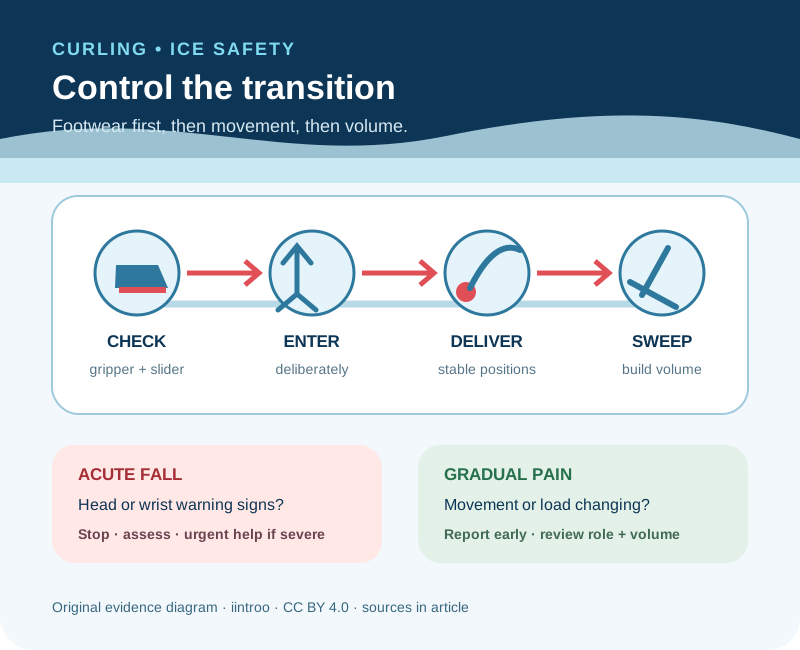
Key points
- Recreational curling injury data are dominated by uncontrolled falls, with head and wrist impacts prominent among people who reached emergency care.
- Competitive studies are small and mostly observational, so they describe pain patterns rather than proving one delivery or sweeping technique causes injury.
- Footwear checks, beginner instruction, progressive sweeping load and early symptom reporting can be built into club operations.
Separate the recreational fall problem from elite pain data
This guide is for new and experienced curlers, youth and masters programmes, wheelchair curlers, coaches and club operators. A Canadian emergency-department case series found that more than nine in ten acute injuries in its sample followed falls on ice, with backward head impacts and forward falls onto the hand recurring. That study covered two hospitals and historical cases from 1993–2011; it cannot provide a universal modern injury rate.
Small competitive studies reported knee, back, hip, groin and shoulder symptoms around delivery and sweeping, while a single men's world championship recorded only five injuries. Self-report, small samples and one-event designs limit causal claims. The 2024 scoping review shows how thin the health evidence remains compared with research on stones, sweeping and strategy. Clubs should record their own exposures and incidents rather than quoting one number as the risk of curling.
Make stepping onto the ice a deliberate transition
Use curling footwear or clean, intact grippers and sliders appropriate to the athlete and facility. Inspect the gripper for wear, moisture and debris, confirm which foot carries the slider, and replace damaged equipment. Keep walkways dry and uncluttered, enter and leave the ice at designated points, and use support where a beginner or athlete with balance limitations needs it.
World Curling's current rules govern competition play and equipment, but a club still needs a local risk assessment for beginners, schools, masters sessions and wheelchair access. Instruction should cover safe movement before stone delivery or fast sweeping. A brush can assist balance in some situations, but it is not a substitute for suitable footwear, coaching or an accessible environment.
Build delivery and sweeping volume gradually
The delivery combines a deep, asymmetric position with control on a low-friction surface. Sweeping adds repeated trunk, shoulder and upper-limb work while the athlete moves beside a stone. Preparation can develop balance, hip and ankle control, trunk and shoulder capacity and the athlete's chosen delivery pattern before full game volume. A new stance or sweeping technique should be introduced progressively rather than copied under fatigue.
Share sweeping work when rules and team roles allow, plan recovery across tournaments and note pain that changes delivery depth, push-off, sweeping pressure or walking on ice. Technique may influence load, but small biomechanical and survey studies cannot nominate one universally safe delivery. Wheelchair curlers need an impairment- and chair-specific plan rather than instructions borrowed from standing play.
Respond to falls and pain without minimising them
After a fall, suspected concussion, increasing headache, repeated vomiting, seizure, confusion, weakness, neck pain or difficulty waking requires urgent action under the venue emergency plan. Wrist deformity, severe swelling, loss of grip, numbness or inability to use the limb needs prompt assessment. Do not use the next end as a test of whether the athlete is fine.
Gradual knee, back, hip or shoulder pain deserves early load review, especially when it alters movement or persists away from curling. Severe or rapidly worsening pain, inability to bear weight, fever, new neurological symptoms or loss of bladder or bowel control requires prompt medical care. An online article cannot determine whether pain is muscular, joint, tendon, nerve or another condition.
Return through the actual role on the sheet
Return may rebuild daily walking or wheeling, balance, delivery positions, controlled stone release, easy sweeping, direction changes and full game or bonspiel density. The progression depends on the diagnosis, age, disability, role and response. A skip who delivers fewer stones and a lead with high sweeping volume do not have identical demands.
After suspected concussion, follow qualified medical guidance and the applicable competition policy before returning to fall-risk activity. Persistent pain, instability, weakness or fear that changes safe movement should prompt reassessment. This guide does not prescribe footwear, a rehabilitation programme or a universal return date.