
Cycling hand numbness: unload the nerve before weakness joins the ride
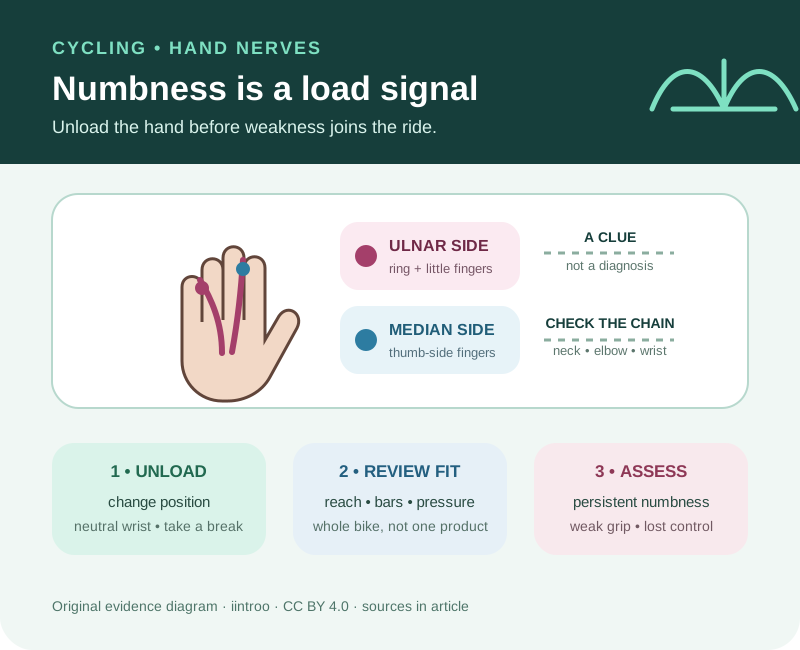
Tingling in the ring and little fingers, thumb-side numbness or reduced grip can reflect pressure on the ulnar or median nerve. Change position, review bike fit and seek assessment when symptoms persist or strength changes.
Key points
- Sustained pressure, wrist position and vibration at the handlebar can irritate the ulnar or median nerve, but the location and cause cannot be confirmed from a symptom map alone.
- Changing hand position, reducing concentrated pressure and reviewing reach, bar position, gloves and grip are reasonable first steps, although prevention evidence is limited.
- Persistent numbness, loss of grip or finger control, visible muscle wasting, neck-to-hand symptoms or symptoms away from the bike need professional assessment.
Treat numbness as a load signal, not a normal badge
This guide is for road, gravel, touring, mountain and adaptive cyclists who develop tingling, numbness or hand weakness during or after riding. Pressure at the heel of the hand can affect the ulnar nerve near Guyon’s canal, while the median nerve can also be involved. Vibration, a fixed wrist position and prolonged weight through the bars may contribute.
Ring- and little-finger symptoms often suggest the ulnar side; thumb, index and middle-finger symptoms may suggest the median side. That pattern is a clue, not a diagnosis. Symptoms can also arise from the neck, elbow, trauma, diabetes or another condition, so a colour-coded hand map cannot locate every problem reliably.
Unload first, then review the whole contact system
During a ride, stop and change position rather than pushing through progressive numbness. Vary hand placement where the bicycle and terrain allow, keep a neutral rather than persistently extended wrist, avoid a death grip and schedule pressure-relief breaks. On technical ground, safety and control come before changing hand position.
Review saddle-to-bar drop, reach, hood or grip angle, bar width, tyre pressure, glove condition and how weight is distributed across the bike. Padding can redistribute pressure but more padding is not automatically better. A qualified fitter or clinician can adapt the system for hand size, prior injury and Para-cycling controls instead of applying one universal cockpit measurement.
Know what the evidence can and cannot promise
The 2022 systematic review included 20 publications, while the accompanying narrative review found mostly case reports and only two cohort studies. Small prospective and electrophysiology studies show that nerve changes can occur after long rides, but they do not identify one glove, bar shape, pressure threshold or fit protocol that prevents every case.
That makes practical load reduction reasonable but limits strong product claims. A change that helps one cyclist may shift pressure elsewhere. Record when symptoms begin, which fingers are affected, whether they clear after riding and whether equipment or training volume changed; those observations are more useful than assuming every numb hand is the same condition.
Escalate weakness and symptoms that do not clear
Seek timely clinical assessment if numbness persists after the ride, recurs earlier each session, interrupts sleep, spreads, or is joined by loss of grip, finger coordination or thumb strength. Visible muscle wasting, dropping objects, severe neck or arm pain, a new deformity, or symptoms after a crash need prompt review.
Sudden one-sided weakness with facial or speech change, a cold pale hand, loss of pulse or major trauma is an emergency. A clinician may examine the neck, elbow, wrist and hand and decide whether electrodiagnostic testing or imaging is appropriate. This article does not diagnose a compressed nerve or prescribe a splint, medicine or injection.
Return through symptom-free control and bike-specific load
Return should progress from ordinary hand use and short easy rides to longer time on the relevant bars, vibration and technical demands. Check sensation, grip and fine control during and after each step. Continued weakness or symptoms that last beyond the ride mean the load or diagnosis needs review.
Recovery time varies with the site, severity, duration and cause of nerve irritation. A calendar, a new pair of gloves or normal strength on one test cannot provide universal clearance. The aim is comfortable control of braking, shifting and steering without recurrent sensory or motor change.