
Cycling numbness and saddle pressure: do not normalise persistent symptoms
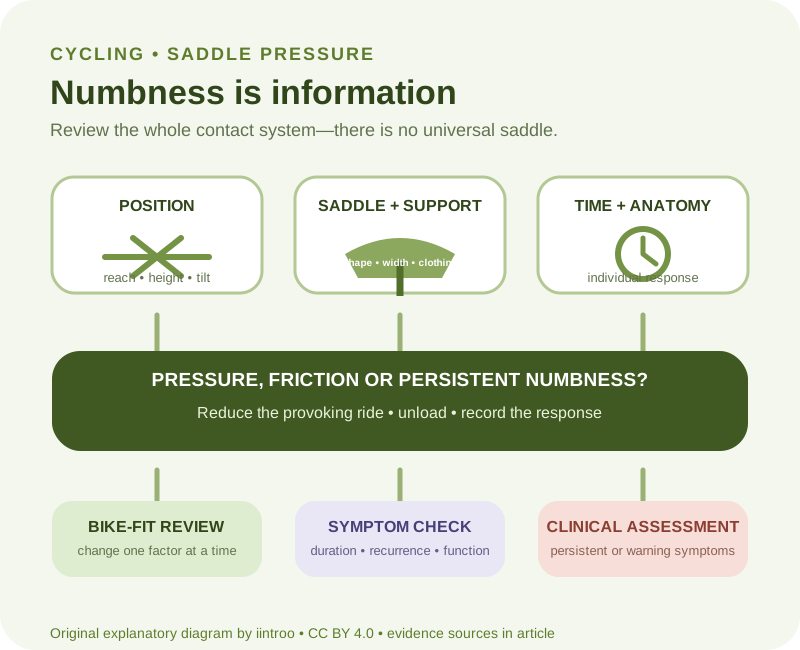
Perineal or genital numbness is a signal to reduce pressure and review the whole riding position—not proof that one saddle shape suits every rider.
Key points
- Persistent genital or perineal numbness should not be treated as normal adaptation.
- Saddle shape, handlebar position, fit and time seated interact.
- No single cut-out, width or padding design is best for every rider.
Who this guide is for
This guide is for road, track, gravel and recreational cyclists, including riders using adaptive cycles, who notice genital or perineal numbness, tingling, pain or saddle sores. Pressure, friction, moisture, riding position, equipment and time seated can interact. Symptoms deserve a practical response rather than embarrassment or a belief that every serious rider must tolerate them.
A brief sensation that resolves after changing position is different from symptoms that persist, recur or worsen. Numbness can have more than one cause, so an online saddle chart cannot diagnose nerve, skin, urinary, pelvic-floor or sexual-health problems.
The whole contact system matters
British Cycling recommends reviewing bike fit, saddle choice, clothing, hygiene, gradual exposure and opportunities to unload the saddle. Saddle height, reach and handlebar position can shift weight and create rocking or concentrated pressure. For a Para cyclist who cannot stand, individual pressure-relief movements and adaptive-equipment fit need particular attention.
CDC/NIOSH describes contact stress from traditional saddles as a possible contributor to genital numbness and sexual or reproductive symptoms. That occupational guidance supports reducing pressure, but it does not establish that one design or angle is safe for every athlete.
What systematic reviews actually found
A systematic review screened 2,217 records and included 22 studies; only six entered meta-analysis. No-nose saddles and recumbent bikes reduced measured perineal pressure and improved penile oxygen measures compared with a standard saddle. Evidence for standing periodically was indirect, and the authors found too little evidence for many other strategies.
A second systematic review included 15 studies on pudendal neuropathy in cyclists and called for stronger diagnostic, prevention and treatment research. Small samples, laboratory pressure measures, male-dominated evidence and varied equipment limit universal conclusions. Lower measured pressure is useful information, not proof of long-term symptom prevention.
Make changes as a structured trial
Reduce or stop the provoking ride when numbness appears. Review position, saddle support, clothing, recent mileage changes and time continuously seated. A qualified bike fitter can assess the system, while a physiotherapist or clinician can evaluate symptoms and function. Change one factor at a time and record the response.
More padding and a central cut-out are not automatically better. Shape can move pressure to another area, and a larger saddle can still be poorly matched. Keep shorts and skin clean and dry, change out of damp clothing promptly, and avoid applying products to broken or infected skin without professional advice.
Know when to seek medical assessment
Arrange assessment when numbness persists after the ride, repeatedly returns, affects sexual or urinary function, is accompanied by weakness, or when skin lesions become increasingly painful, swollen, hot or draining. Blood in urine, severe escalating pain, fever or new loss of bladder or bowel control needs prompt local medical advice, with emergency care for acute neurological warning signs.
Return to usual duration should be guided by the cause, symptom response and any professional advice. This article does not prescribe a saddle, angle or waiting period. The goal is to protect cycling participation by treating persistent numbness as information, not as a badge of endurance.