
Running foot blisters: reduce friction, protect the roof and watch for infection
Foot blisters are friction injuries, not a test of toughness. Start with footwear and sock fit, protect an early hot spot, preserve intact skin where possible and stop if pain changes gait or infection signs appear.
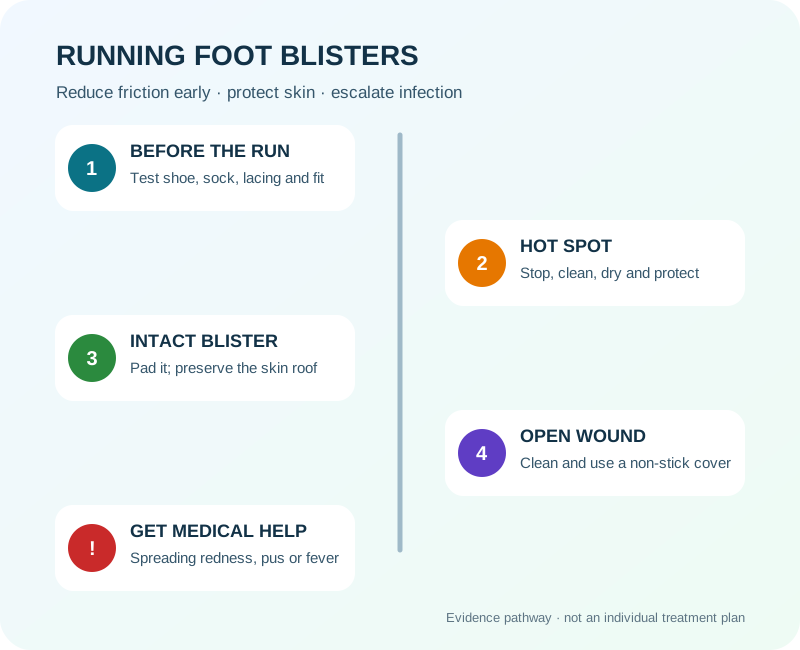
Key points
- Blisters form when repeated shear separates skin layers; heat, moisture, pressure and footwear movement can increase local friction, but no single product prevents every blister.
- A 2017 systematic review found little high-quality prevention evidence overall; paper tape showed possible benefit, while studies differed too much for a pooled estimate.
- An intact blister roof protects the healing surface. Large or very painful blisters, infection signs, diabetes, poor circulation or immune suppression warrant qualified clinical advice rather than improvised race-side treatment.
Treat a hot spot as the first injury signal
This guide is for road, trail and ultra runners, walkers, coaches and event teams. A friction blister develops when repeated shear separates layers of skin and fluid collects in the space. The useful early warning is often a burning hot spot, local redness or a sense that the shoe or sock is moving. Waiting until pain changes stride can turn a manageable skin problem into a larger wound or another injury caused by altered gait.
Stop in a safe place, remove grit, inspect the skin and identify the source of movement or pressure. A wrinkle, seam, wet sock, swollen foot or shoe that is too small or too loose may matter. Protect the hot spot with a clean, low-friction covering that the athlete has tested before; do not keep layering tape over damp, dirty or already damaged skin.
Build prevention around fit, friction and a tested routine
Break in shoes gradually and test the exact sock, insole and lacing combination before a long race. Leave room for expected swelling without allowing the foot to slide. Wicking socks and a dry foot environment are reasonable parts of prevention, but fibre, double-sock, lubricant, powder and tape studies are inconsistent and often small. The 2017 review found only 11 controlled studies and could not pool their diverse methods.
Paper tape may help some runners and had moderate-confidence support in that review, but trials have not all agreed. Apply any tape to clean, dry, intact skin and rehearse removal; stop if it causes itching, skin stripping, numbness or a pressure edge. Antiperspirants can irritate skin, and strong formulations should not be introduced during competition without prior tolerance testing and appropriate advice.
Protect an intact roof instead of removing it routinely
The blister roof is a biological dressing. For a small or tolerable blister, reduce pressure with padding and cover it with a clean protective dressing. World Rugby and dermatology guidance both favour keeping an intact roof when possible because it cushions and protects the exposed dermis while new skin forms.
A large, tense or very painful blister may sometimes need drainage by someone able to use clean technique, but the roof should generally remain in place. Do not cut it away to make the area look flat. If the roof has torn, gently clean the wound, protect the remaining skin and cover it with an appropriate non-stick dressing. Products and adhesive choices must account for allergies and the environment.
Do not use pain relief to hide a worsening wound
Continuing is not automatically safe because a dressing reduces pain. Recheck whether the athlete can walk and run normally, whether the shoe still fits and whether the dressing is creating new pressure. A blister on a weight-bearing surface can enlarge quickly over long distances, especially in heat or wet conditions.
Event teams should provide privacy, clean supplies and a documented plan for wound care rather than sharing needles or unlabelled products. An online guide cannot determine whether an individual should continue. Stopping early can protect both the skin and the rest of the movement chain.
Escalate infection and high-risk medical factors
Increasing redness, warmth, swelling, pus, red streaking, fever, worsening pain or failure to heal requires medical assessment. Urgent care is appropriate for systemic illness or rapidly spreading infection. People with diabetes, impaired circulation, reduced sensation, immune suppression or a history of difficult wound healing should seek individual advice earlier and should not follow generic drainage instructions.
Before returning to full running, the wound should tolerate footwear and progressive loading without reopening or changing mechanics. Review what caused the friction, clean and dry footwear as appropriate, and replace contaminated dressings. Prevention remains an individual fit-and-exposure problem, not proof that one branded sock, lubricant or tape works for everyone.