
Endurance fuelling and dental erosion: protect teeth without under-fuelling
Frequent acidic carbohydrate exposure, dry mouth and reflux can add to dental risk, but essential race fuel and fluid should not be removed blindly. Coordinate timing, oral care and professional review.
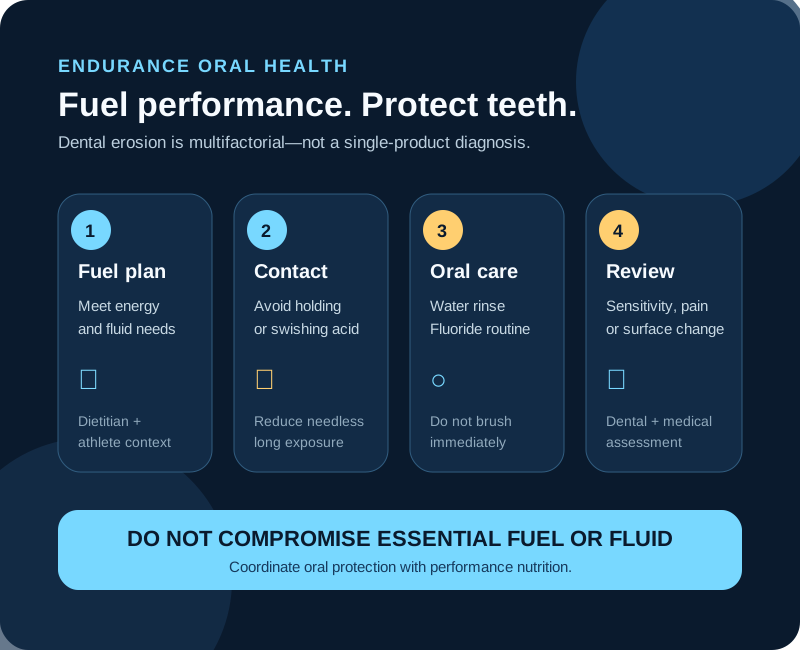
Key points
- Dental erosion is multifactorial; product acidity, exposure frequency, dry mouth, reflux, oral care and individual susceptibility can interact.
- Athlete studies are limited and inconsistent, so sports drinks alone should not be presented as a proven single cause of erosion.
- Protecting teeth should be coordinated with essential carbohydrate and hydration needs rather than achieved by under-fuelling or under-drinking.
Separate necessary fuel from avoidable exposure
This guide is for endurance athletes, parents, coaches, dentists and sports dietitians. Carbohydrate drinks, gels, chews and other products can help meet energy and fluid needs during long or demanding exercise. The oral-health question is not whether every athlete should eliminate them, but how acidity, frequency and time in contact with the teeth fit the person's fuelling needs and risk.
Dental erosion is irreversible loss of hard tooth tissue caused by acids not produced by bacteria. It differs from dental caries, although both can occur together. Dietary acids, gastric reflux or vomiting, reduced saliva, dehydration, oral-care practices and previous dental history can interact, so product use alone does not diagnose the cause.
What the athlete evidence can and cannot show
A 2025 systematic review found only four eligible athlete studies with 567 participants, with variable results and insufficient evidence to conclude that sports-drink use alone explains erosion. A 2026 review of energy and sports drinks reported inconsistent sports-drink findings and judged much of the evidence at high or serious risk of bias.
These reviews support caution, not complacency. Laboratory acidity and observational associations can identify plausible concerns, but they cannot quantify one athlete's future damage or prove that removing a drink will solve symptoms. Prospective athlete studies and better exposure measurement are still needed.
Reduce prolonged acid contact where practical
Use a race-tested fuelling and hydration plan developed for the session, ideally with a sports dietitian. Where it does not compromise that plan, avoid holding or repeatedly swishing acidic products around the mouth, limit unnecessary sipping outside the exercise window, and use plain water to rinse after an acidic exposure. Product choice can also be discussed with the dietitian and dentist.
After acidic food, drink, reflux or vomiting, do not brush immediately; the American Dental Association advises rinsing with water and allowing saliva time to help neutralise the mouth. Routine fluoride toothpaste and appropriate dental prevention remain important. Personal advice may differ with enamel condition, braces, dry mouth or medical history.
Bring reflux, dry mouth and recovery into the plan
Long sessions, mouth breathing and dehydration can reduce the protective effect of saliva. Reflux or recurrent vomiting adds an intrinsic acid source and warrants medical as well as dental review. Rehydration, recovery food and medication decisions should remain consistent with the athlete's broader health plan rather than being altered solely from an online dental checklist.
Young athletes and people with disability may need practical help accessing water, opening products or completing oral care, but they still deserve choice and privacy. Teams can include oral health in routine medical support without policing food or creating shame around fuelling.
Act on symptoms and preserve performance nutrition
Tooth sensitivity, pain, visible shape or surface change, repeated chipping, gum bleeding or a loose tooth needs dental assessment. A dentist can distinguish erosion from caries, grinding, trauma and other causes and can coordinate prevention with the athlete's sports dietitian and physician.
Do not respond by restricting fluid or carbohydrate during a long session without replacing the physiological need. The safer goal is an individualized plan that meets performance and health requirements while reducing avoidable contact and identifying treatable dental or gastrointestinal problems.