
Marathon and ultrarunning NSAIDs: why 'just in case' is not a safe plan
Ibuprofen and other NSAIDs do not provide a dependable endurance advantage and may add kidney, gut and electrolyte risk when heat, fluid loss, illness or muscle breakdown are already in play.
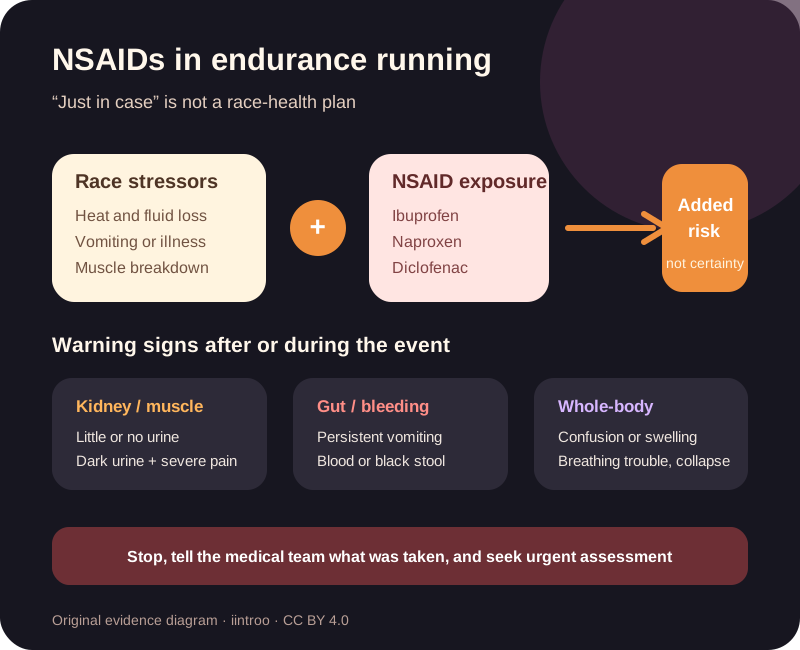
Key points
- Evidence does not support taking an NSAID before a race as a dependable performance aid or injury-prevention strategy.
- Severe exercise-associated acute kidney injury is uncommon and multifactorial, but NSAID exposure can add concern when combined with heat, dehydration, vomiting, illness or rhabdomyolysis.
- Markedly reduced urine, persistent vomiting, blood or black stool, severe abdominal or flank pain, confusion, swelling or collapse require prompt medical assessment.
Do not turn pain relief into a pre-race ritual
This guide is for marathoners, ultrarunners, coaches, event medical teams and support crews. Non-steroidal anti-inflammatory drugs include ibuprofen, naproxen and diclofenac. They can be appropriate medicines in some clinical situations, but swallowing one before the start 'just in case' is not the same as clinician-directed treatment.
A small randomized laboratory trial in 20 male distance runners found no endurance-performance benefit from prophylactic ibuprofen after experimentally induced muscle damage. That study is too small and specific to settle every question, but it gives no basis for promising faster running, preserved performance or injury prevention. Masking pain can also remove information an athlete needs when deciding whether to stop.
Understand why the endurance setting changes the risk calculation
Long events can combine reduced kidney blood flow, fluid loss, heat strain, vomiting, inflammation and skeletal-muscle breakdown. NSAIDs inhibit prostaglandin pathways that help maintain kidney blood flow in stressed conditions and can irritate the gastrointestinal tract. The concern is therefore not a single pill acting alone; it is the medicine added to a demanding and sometimes unstable physiological setting.
A randomized ultramarathon trial found a higher incidence of acute kidney injury in the ibuprofen group than placebo, but the sample and race environment limit generalisation. A 2024 scoping review of 30 studies found possible signals, particularly for kidney injury and electrolyte balance, while concluding that the overall evidence is limited and inconsistent. Presenting the link as certain for every runner would overstate the data.
Severe kidney injury is uncommon and usually multifactorial
The 2017 systematic review found that creatinine commonly rises immediately after endurance events and usually falls toward baseline when follow-up is reported. It also identified rare hospital-treated cases, often involving rhabdomyolysis plus another factor such as illness, gastrointestinal upset, volume depletion or a potentially nephrotoxic medicine. Short-term biomarker changes do not automatically mean permanent kidney damage.
Risk deserves individual review for athletes with kidney disease, diabetes, hypertension, a recent infection, vomiting or diarrhoea, a history of heat illness, or medicines that affect kidney function or bleeding. Do not stop a prescribed medicine or substitute another analgesic on the basis of an article. Discuss the event plan with a clinician or pharmacist who knows the athlete's history.
Use pain and illness as decision information
Pain that changes running mechanics, worsens progressively or follows a significant injury needs assessment rather than repeated dosing to reach the finish. Starting while febrile, vomiting or unable to maintain ordinary intake can compound risk. Event teams should communicate medication policy, heat and hydration advice, aid-station medical access and the conditions that require withdrawal.
Hydration is not an antidote to NSAID risk, and overdrinking can cause exercise-associated hyponatraemia. Use a personalised, evidence-based drinking plan instead of forcing fluid to 'protect the kidneys'. Race-day decisions should account for weather, pace, illness, urine output and symptoms rather than a rigid tablet or fluid schedule.
Know the warning signs after the finish
Markedly reduced or absent urine, very dark urine with severe muscle pain or weakness, persistent vomiting, severe abdominal or flank pain, blood in vomit, red or black stool, confusion, unusual swelling, breathing difficulty or collapse require urgent medical assessment. Delayed presentation is possible, so symptoms that develop after leaving the venue should not be dismissed as normal soreness.
For ordinary post-race pain, ask a pharmacist or clinician what is suitable in the context of hydration, medical history and other medicines. The safest public message is not that all NSAID use is forbidden; it is that prophylactic race use has no dependable performance case and that medication decisions need the same planning as heat, nutrition and emergency care.