
Ultramarathon gut symptoms: practise fueling before race day
Nausea, cramping and diarrhoea have multiple causes. A rehearsed, individual plan is more defensible than a last-minute restrictive diet or supplement.
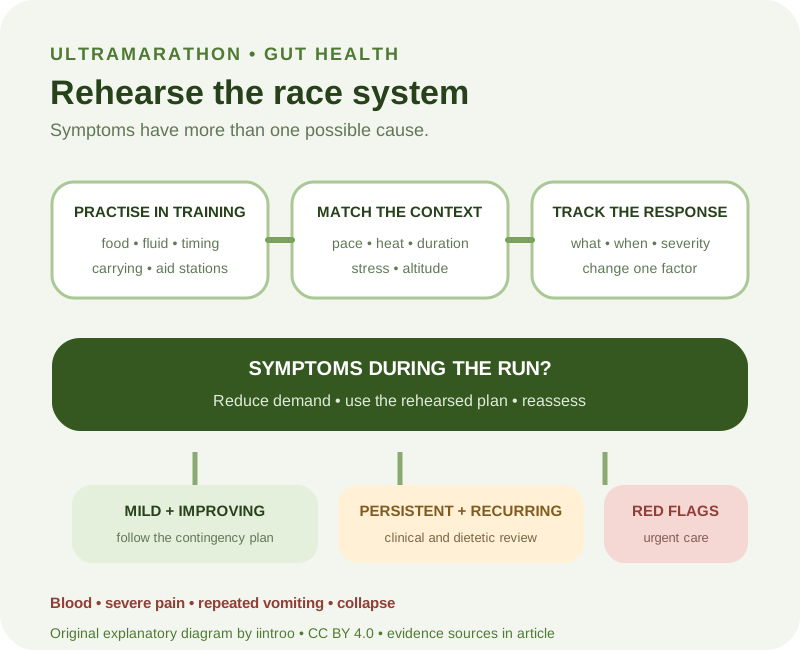
Key points
- Exercise-associated gut symptoms can reflect physiological, mechanical, nutritional and psychological factors.
- Race nutrition should be rehearsed under realistic conditions, not introduced on event morning.
- Blood, severe persistent pain, repeated vomiting or collapse requires medical assessment.
Who this guide is for
This guide is for ultramarathon and long-distance trail runners, coaches, event medical teams and sports dietitians. Nausea, reflux, cramping, bloating, urgency, diarrhoea and inability to eat can disrupt training or competition, but the same symptom can have different causes. Heat, intensity, duration, movement, stress, hydration, medicines and food choices can interact.
World Athletics describes gastrointestinal disturbance as a major practical challenge in ultramarathon participation. The current position statement treats symptoms as a problem to assess rather than a reason to copy a fashionable diet. Persistent or severe symptoms can also reflect illness that requires medical evaluation.
Evidence supports rehearsal, not a universal menu
A systematic review included 29 studies across gut training, carbohydrate formats, low-FODMAP approaches, hydrogels and probiotics. Gut training and individualised carbohydrate practice appeared promising, while hydrogel products showed no clear advantage over standard carbohydrate products and probiotic findings were mixed. Study designs and protocols varied substantially.
The position statement similarly supports identifying the athlete’s main triggers and practising intake under exercise conditions. It does not establish one product, food list or hourly target for everyone. Tolerance can change with pace, temperature, altitude, race duration and the athlete’s health.
Rehearse the race system
Test the planned food, fluid, timing, carrying method and aid-station options during training that resembles race demands. Record context as well as symptoms: duration, intensity, heat, recent meals, medicines, stress and whether the runner could continue drinking and eating. Change one important factor at a time so the response is interpretable.
A sports dietitian can help balance fueling adequacy with tolerance. Restricting carbohydrate, gluten, fibre or fermentable foods without a clear reason can reduce diet quality or available energy. A short targeted strategy may suit some athletes, but it should not become an indefinite self-prescribed elimination diet.
Adjust early when symptoms develop
When mild symptoms appear, reduce the immediate demand, review pace and heat exposure, and use the rehearsed contingency plan rather than adding an unfamiliar gel, concentrated drink, supplement or medication. Event teams should make safe withdrawal possible and avoid framing stopping as failure.
Non-steroidal anti-inflammatory medicines can aggravate gastrointestinal and kidney risk during endurance exercise and should not be used as a routine race strategy. Athletes with a medical condition or prescribed medicines need advice from their own clinician; this guide cannot determine what they should stop or take.
Recognise medical warning signs
Blood in stool or vomit, black stool, severe or localised pain, a rigid abdomen, repeated vomiting, inability to keep fluid down, collapse, confusion or symptoms that continue after the event require prompt medical assessment. Emergency signs should activate the event plan and local emergency services rather than another nutrition experiment.
Recurring symptoms outside competition, unintended weight loss, night symptoms or a major change in bowel habit also deserve clinical review. Return to long-distance training depends on the cause and recovery. There is no universal waiting period, and symptom suppression alone is not proof that the gut has recovered.