
Low-back pain in riders: count stable work, travel and off-horse load too
Rider back pain is common in observational studies, but prevalence estimates are broad and causes are not simple. Assess riding, stable duties, travel, training changes and function before choosing care.
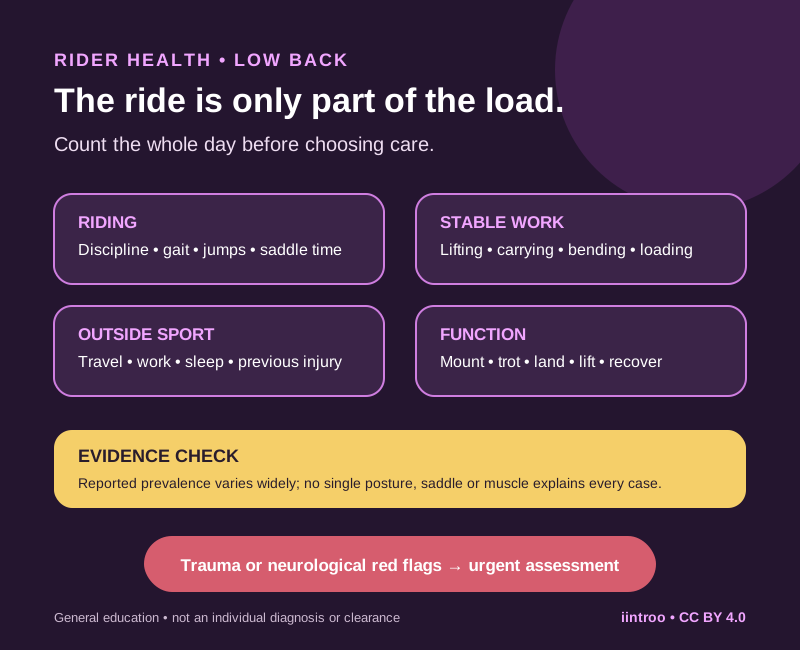
Key points
- A 2024 systematic review found widely varying low-back-pain estimates in equestrians and substantial methodological inconsistency, so one headline prevalence should not be treated as an individual forecast.
- The load review should include riding discipline, time in the saddle, stable work, lifting, travel, falls, off-horse exercise, recovery and changes in horse or equipment.
- Exercise may help some riders with chronic nonspecific pain, but a small uncontrolled equestrian study cannot identify a universal programme or prove prevention.
Recognise a common symptom without normalising it
This guide is for riders across dressage, jumping, eventing, endurance, racing, western and Para equestrian disciplines. Low-back pain is a symptom category, not one diagnosis. It may relate to a recent fall or lift, a flare of nonspecific pain, nerve irritation, another health condition or a combination of riding and non-riding demands.
A 2024 systematic review included 14 observational studies and 4,527 participants. Reported point-prevalence estimates ranged widely, from 27.9% to 87.9%, while definitions, recall periods and exposure measures differed and study quality was often limited. That variability is a warning against telling every rider that one posture, saddle or weak muscle explains their pain.
Map the rider's whole working day
Record horses ridden, discipline, gait, jump or gallop work, time in the saddle, competition, travel and any recent horse or equipment change. Add mucking out, carrying water, feed or tack, loading, repetitive bending and other paid work. Stable duties can be substantial physical exposure even when a riding session looks light.
Note symptoms by task and what the rider can or cannot do, including mounting, sitting trot, two-point position, landing, lifting and sleep. Review recent falls even if the rider continued. A useful diary supports a clinical conversation; it does not calculate a universal safe number of hours in the saddle.
Examine rider, horse and equipment without assigning blame
A coach can observe movement, asymmetry, fatigue and task demands, while a clinician assesses pain and function. Horse behaviour, saddle fit and discipline technique matter to the partnership, but a rider's symptom cannot be diagnosed from a single photograph or automatically attributed to the horse.
Change one controllable factor at a time and evaluate the response. Temporary modification might involve horse choice, duration, gait, jumping volume or stable tasks. Qualified saddle assessment can address fit questions, but buying equipment should not replace medical assessment when pain is severe, persistent or linked to trauma.
Use exercise evidence with appropriate humility
General low-back-pain care often includes education and suitable activity, with exercise selected for the person. A small equestrian study reported improved pain and function after eight weeks of targeted exercise, but only nine participants completed it and there was no control group. The finding is encouraging, not proof of a standard rider programme.
Build off-horse capacity for the rider's real tasks and progress riding exposure gradually. Avoid promising that a particular core exercise, stretch or symmetry score will prevent pain. Age, disability, pregnancy or postpartum status, diagnosis, competition phase and access to care can change the plan.
Separate routine review from urgent care
After a fall, collision or crush event, follow the venue emergency plan and assess for head, spine and other injury rather than focusing only on the back. Urgent symptoms include new bladder or bowel dysfunction, saddle-area sensory loss, progressive leg weakness, major trauma, fever with severe back pain or inability to mobilise safely.
Persistent pain, pain spreading into a leg, repeated night waking or loss of riding and daily function needs professional assessment. Return to higher-risk riding should reflect the diagnosis, recovery and ability to manage discipline-specific tasks. This guide is educational and cannot diagnose, prescribe treatment or clear a rider for competition.