
Esports eye strain: manage load, not blue-light myths
Dryness, blur and headache during gaming are common but usually temporary. Adjust the setup, take regular breaks and seek care for persistent or sudden symptoms.
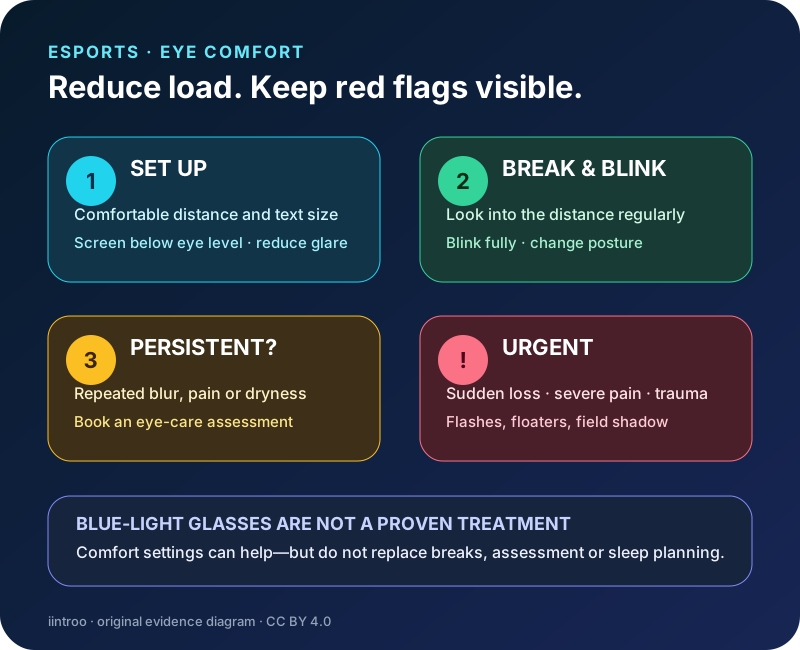
Key points
- Digital eye strain can cause temporary dryness, burning, blur, headache and focusing difficulty; symptom patterns do not diagnose an eye disease.
- Regular distance breaks, deliberate blinking, suitable screen distance and reduced glare are practical controls, while blue-light-filtering glasses have not shown reliable symptom benefit.
- Sudden vision loss, severe eye pain, new flashes or many floaters, a curtain-like field defect, new double vision or eye trauma needs prompt medical assessment.
Recognise a workload problem without self-diagnosing
This guide is for esports competitors, casual players, coaches, parents and event teams. Long periods of near focus can be accompanied by dry or burning eyes, intermittent blur, headache, light sensitivity and difficulty refocusing. These symptoms are often grouped as digital eye strain or computer vision syndrome, but the label does not identify one cause and cannot rule out refractive error, migraine, dry-eye disease or another condition.
A 2024 case-control study reported more computer-vision symptoms in esports players than controls, while recent esports reviews describe a wide range of eye-fatigue estimates. Samples, games, questionnaires and exposure definitions differ, so a percentage from one team should not be treated as a prediction for every player. The useful message is that visual workload belongs in training design, not that screens inevitably damage every eye.
Build visual recovery into the session
Schedule regular opportunities to look away into the distance, blink fully and change posture. The familiar 20-20-20 prompt—about every 20 minutes, look roughly 20 feet away for 20 seconds—is a memory aid rather than a proven medical dose. Shorter or more frequent pauses may suit a player with symptoms, and breaks should not be postponed until the final map or round.
Place the monitor at a comfortable distance and slightly below eye level, increase text or interface size instead of leaning forward, and reduce reflections or extreme contrast. Airflow aimed at the face and prolonged contact-lens wear can aggravate dryness. Lubricating drops and lens decisions are not interchangeable for everyone; persistent symptoms deserve advice from an eye-care professional rather than repeated self-treatment.
Keep blue-light claims in proportion
Blue-light-filtering spectacles are heavily marketed to gamers, but the intervention review found no reliable reduction in digital-eye-strain symptoms from blue-blocking lenses and judged the certainty of the wider treatment evidence to be low. A product may change colour or brightness without treating the reason an individual has pain or blur.
Night-time light and stimulating late play can still affect sleep timing, which is a separate question from eye damage. Use device settings for comfort when helpful, but do not describe a filter as retinal protection, a dry-eye treatment or a substitute for sleep planning. A neutral lens label cannot guarantee performance benefit or medical safety.
Measure exposure and symptoms, not just hours online
A team can record session length, break opportunities, room lighting, monitor setup and when symptoms begin. Pair this with neck, shoulder and hand comfort because visual and musculoskeletal complaints often occur in the same prolonged seated session. Use the record to change the environment and schedule; a symptom score is not a clearance test or a diagnosis.
Young players may be less willing to interrupt practice, and players with disability may need accessible display, seating or input changes. Coaches should make breaks normal and avoid selection pressure that rewards concealing symptoms. Research is still dominated by cross-sectional and questionnaire studies, so cause-and-effect claims and one universal maximum screen time would exceed the evidence.
Know when an eye complaint is not routine strain
Arrange an eye examination when blur, pain, redness, headache or dryness persists despite ordinary adjustments, repeatedly limits play, affects daily vision or is accompanied by a change in glasses or contact-lens tolerance. New or worsening symptoms after starting a medicine or following illness also need individual review.
Sudden loss of vision, severe pain, new double vision, flashes with many new floaters, a curtain or shadow in the visual field, a chemical splash or direct eye trauma needs urgent assessment. Stop play and follow local emergency advice; do not rub, patch, medicate or return to competition simply because the screen has been switched off.
Sources: 1