
Exercise headache in athletes: assess the pattern before pushing on
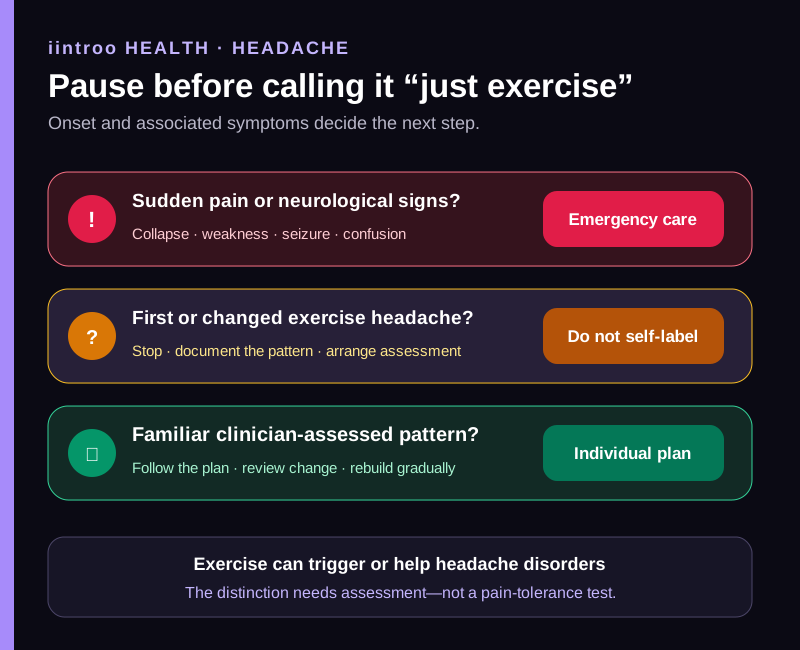
Exercise may trigger, aggravate or sometimes help headache disorders. A first, sudden or changed exertional headache needs assessment before it is labelled benign.
Key points
- Primary exercise headache is a diagnosis made only after secondary causes are excluded; a headache during exercise can also be migraine or another condition.
- A headache that reaches maximum intensity suddenly, follows a head injury or comes with neurological symptoms, collapse or severe illness needs urgent medical assessment.
- Regular exercise may help some people with migraine, but the evidence supports individual progression rather than training through a new or severe attack.
Name the presentation before naming the cause
This guide is for athletes, coaches and support teams. Exercise can aggravate an existing migraine, trigger a separate primary exercise headache or reveal a secondary cause that needs investigation. The International Headache Society defines primary exercise headache as pain brought on only during or after strenuous exercise, lasting less than 48 hours and not better explained by another diagnosis.
That definition is not a self-diagnosis. ICHD-3 states that at first presentation, subarachnoid haemorrhage, arterial dissection and reversible cerebral vasoconstriction syndrome must be excluded. The athlete's age, medical history, symptoms, examination and the exact onset pattern matter more than whether the pain feels like a familiar 'workout headache'.
Stop and act on warning signs
Seek emergency care for a thunderclap headache that reaches maximum intensity within seconds to a minute, especially with collapse, weakness, numbness, speech or vision change, seizure, confusion, fever, a stiff neck, severe vomiting or a recent head or neck injury. Chest symptoms or cardiovascular risk can also change the assessment of exertional head pain.
A first headache triggered by exercise, a marked change in a stable pattern, progressively worsening pain, onset after age 50, pain with coughing or straining, or symptoms in pregnancy or after delivery also warrant prompt clinical review. Do not send the athlete back into exertion to see whether the pain returns.
Build a useful record, not a toughness test
Record the activity, intensity, weather or altitude, onset speed, duration, associated symptoms, recent illness or injury, food and fluid access, sleep and medicines used. For athletes with an established migraine diagnosis, note whether the episode matches the clinician-agreed pattern. A diary helps identify questions; it does not prove that dehydration, heat or one food caused the attack.
Team staff should provide a quiet place, follow the athlete's agreed acute plan and protect confidentiality. Persistent or recurrent symptoms deserve medical review. Overuse of acute headache medicine can itself contribute to headache, while some medicines have sport-specific safety or anti-doping considerations that need individual checking.
Exercise can be part of care after assessment
A 2023 clinical practice guideline gave moderate-intensity continuous aerobic exercise, aerobic exercise and exercise-inclusive lifestyle programmes a grade B recommendation for migraine outcomes. The underlying trials were varied and mostly involved people with diagnosed episodic or chronic migraine, not every competitive-sport setting.
Start from the athlete's current health, triggers, training history and clinician's advice. Gradual warm-up, consistent access to meals and fluids, recovery and a manageable increase in load may support a plan, but none guarantees prevention. During an attack, continuing intense training is not a treatment test.
Keep the evidence in proportion
A 2026 meta-analysis found very different prevalence estimates across clinic and population studies, with high statistical heterogeneity. This means a headline percentage should not be applied to a team or used to reassure an individual athlete. Research on exercise as migraine management is more developed than research on primary exercise headache treatment.
Return to full training should follow the cause, symptom control and individual medical plan. This article provides general education; it cannot diagnose migraine, select brain imaging, prescribe medication or clear an athlete after a new exertional headache.