
Masters athletes: do not train through new heart warning symptoms
Lifelong exercise supports health, but new exertional chest symptoms, breathlessness, palpitations or fainting deserve timely assessment.
Key points
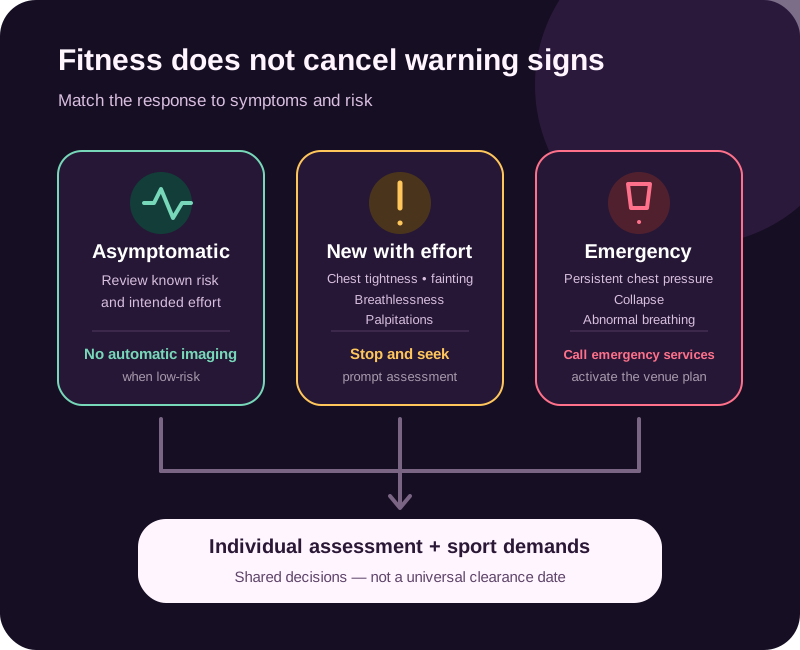
- Fitness does not make new exertional symptoms safe to ignore.
- Low-risk asymptomatic athletes do not automatically need extra cardiac imaging.
- Assessment and return decisions should be individual and sport-specific.
Who this guide is for
This guide is for competitive and recreational masters athletes, coaches and event teams. Masters commonly refers to athletes aged 35 years and older, but the label covers a wide range of training histories and health profiles. Regular exercise reduces cardiovascular risk overall; being highly fit does not make every new symptom a normal training response.
Existing heart disease, blood pressure, cholesterol, diabetes, smoking history, medicines and family history can change the conversation. A pre-participation review and an urgent symptom assessment are different tasks. Neither should be replaced by a wearable score or another athlete's screening plan.
Symptoms that should stop the session
The 2025 AHA/ACC statement identifies exertional chest pain or tightness, unusual breathlessness, palpitations, lightheadedness, fainting and exercise intolerance as cardiopulmonary symptoms. Stop exercise and seek prompt clinical assessment when these are new, unexplained or recurring. Sudden decline from a familiar pace can be clinically relevant even without dramatic pain.
Symptoms have many possible causes, and not all are cardiac. That is why training through them or diagnosing them from a watch trace is unsafe. Record what you were doing, duration, associated symptoms and recovery, but do not repeat a hard effort merely to reproduce the event.
Sources: 1
Recognise an emergency
Chest pressure, squeezing, fullness or pain lasting more than a few minutes or returning—especially with shortness of breath, cold sweat, nausea, lightheadedness or discomfort in the arms, back, neck, jaw or stomach—may be a heart-attack warning. Call local emergency services immediately. Do not drive yourself or wait for the symptom to improve between intervals.
A person who suddenly collapses, is unresponsive and is not breathing normally needs the venue emergency plan activated, emergency services called and cardiopulmonary resuscitation and an automated external defibrillator used by trained responders as soon as possible.
Sources: 4
Screening should follow risk, not anxiety
The AHA/ACC statement says low-risk, asymptomatic masters athletes should not undergo additional routine risk stratification such as coronary-calcium imaging. The ESC also notes the false-positive problem of exercise testing in asymptomatic adults and reserves testing according to symptoms and cardiovascular risk. More testing is not automatically safer.
General-population risk scores have not been validated specifically in masters athletes, and test interpretation can differ in trained hearts. A clinician may still recommend assessment or testing when symptoms, known disease or risk profile justify it. The decision should match the athlete's sport and intended intensity.
Return through shared decisions
The 2026 joint consensus highlights limited masters-athlete-specific outcome data and the need to integrate symptoms, prognosis, goals and uncertainty. After a cardiovascular diagnosis, participation may remain possible for some athletes, but eligibility and intensity need individual shared decision-making with appropriately qualified clinicians.
Before the next event, know who leads emergency response, where the automated external defibrillator is and how symptoms can be reported without pressure. This guide offers recognition and escalation principles, not clearance, medication advice or a universal return timetable.