
Flatwater canoe and kayak pain: map the load before changing technique
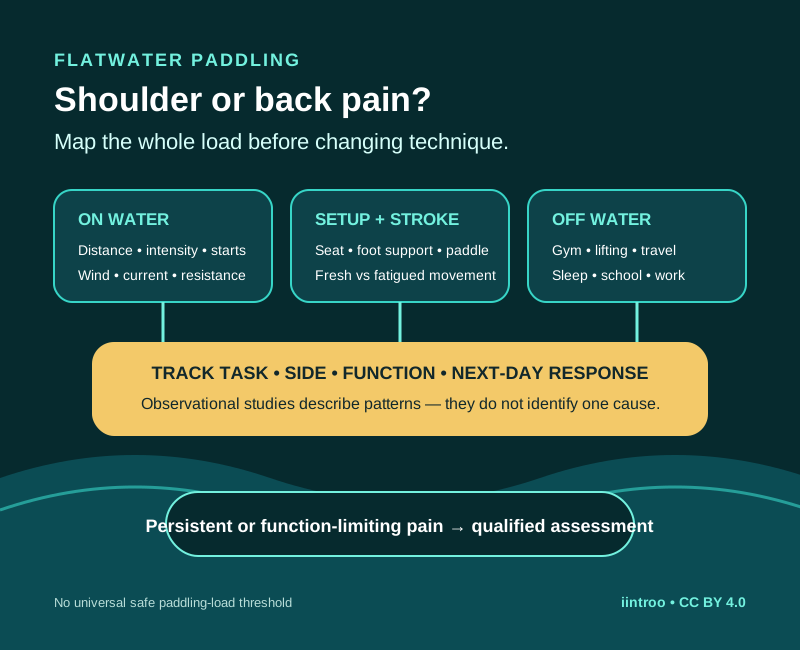
Shoulder and low-back problems are commonly reported in paddling studies, but survey data do not identify one cause. Track boat, gym and life load, equipment, technique and symptoms before rebuilding exposure.
Key points
- Recent adolescent flatwater data and older paddling surveys repeatedly identify the shoulder and low back as important problem areas, but most evidence is observational and self-reported.
- A useful review separates on-water distance and intensity, starts, resistance work, gym training, equipment or seating changes, travel and recovery.
- Sudden traumatic pain, neurological symptoms, marked weakness or pain that persists and limits paddling needs qualified assessment rather than a generic technique fix.
Start with the pattern, not a guessed tissue
This guide is for canoe sprint and flatwater kayak athletes, including adolescents and Para paddlers, plus their coaches. Shoulder or low-back pain can reflect different tissues and combinations of load, previous injury, technique, seating, paddle setup, strength capacity and recovery. The same symptom location does not mean the same diagnosis.
A 2025 retrospective questionnaire of 140 elite adolescent athletes in China found the low back and shoulder among the most commonly reported sites. Earlier cross-sectional studies also highlighted those regions. These studies depend on recall, definitions and selected populations; they describe reported patterns but cannot show that paddling alone caused an injury or predict one athlete's risk.
Audit all exposure, not only kilometres
Record recent on-water distance, intervals, starts, race pieces, wind and current, resistance devices, portage, gym work and other sport. Add boat, seat, footrest, paddle length or blade changes, as well as travel, sleep and school or work demands. Several individually sensible changes can create a large combined jump.
Use a session-by-session symptom record that notes task, side, severity, function and next-day response. A weekly distance total can hide whether pain appears during high-force starts, long steady work, steering, single-sided canoe strokes or lifting the boat. Monitoring supports decisions; there is no validated universal paddling-load threshold that guarantees safety.
Review setup and technique in the real boat
Observe posture, rotation, force transfer and control when the athlete is fresh and fatigued. In canoe, the repeated asymmetry is part of the discipline; in kayak, alternating strokes still demand coordinated trunk and shoulder motion. Disability, boat class and event distance change what an effective movement solution looks like.
Check that the seat, foot support and paddle allow stable force production without obvious pressure or reach problems, then trial one change at a time. Equipment adjustment can help comfort but should not be presented as a diagnosis or cure. Pain after a capsize, collision or heavy lift needs assessment for trauma rather than automatic technique correction.
Build capacity and paddling exposure together
Strength and conditioning can develop shoulder, trunk, hip and lower-limb capacity for the athlete's stroke and event. Progress load, range and fatigue exposure rather than relying on a short activation routine. Gym strength is useful only when it connects to a gradual return to the timing, force and repeatability of paddling.
When symptoms require modification, maintain suitable conditioning and rebuild water work from tolerable volume toward intensity, starts and race-specific repetition. The sequence and pace depend on diagnosis and response. Do not use one pain score, strength test or scan as the sole decision for unrestricted training.
Escalate symptoms that do not fit routine load adjustment
Seek prompt assessment for major trauma, deformity, sudden weakness, numbness, tingling, loss of bladder or bowel control, saddle-area sensory change, fever or severe unremitting pain. Persistent pain, repeated loss of paddling function or symptoms that spread into an arm or leg also deserve qualified review.
A clinician can assess the athlete and coordinate with the coach on safe activity. This article does not prescribe a diagnosis, exercise dose, seat position or return date. Event emergency plans, water safety, personal flotation and current federation rules remain essential alongside musculoskeletal load management.