
Palpitations in masters endurance athletes: record, assess, decide together
Palpitations or an unexplained performance drop in masters athletes need rhythm assessment. Wearables can record events but cannot diagnose atrial fibrillation.
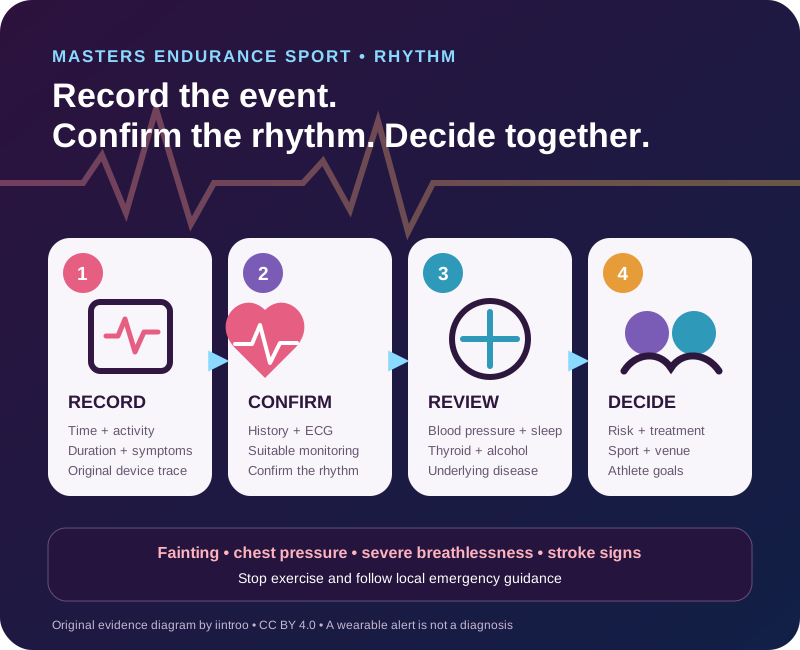
Key points
- Lifelong exercise has major health benefits, but high cumulative endurance exposure is associated with more atrial fibrillation in some masters-athlete groups.
- Palpitations, an irregular pulse or reduced exercise capacity have many possible causes; atrial fibrillation requires rhythm documentation and clinical interpretation.
- A watch alert can preserve useful timing information, but it is neither a diagnosis nor personal clearance to train through symptoms.
Keep the benefits and recognise the signal
This guide is for masters runners, cyclists, swimmers, triathletes, rowers, skiers and their support teams. Regular physical activity reduces cardiovascular risk and supports physical and mental health. At the same time, observational studies report more atrial fibrillation among some people with very high, long-term endurance exposure. That association does not mean endurance sport inevitably causes an arrhythmia or that moderate exercise should be discouraged.
A 2026 meta-analysis reported higher odds of atrial fibrillation in athletes and a non-linear dose pattern, but its studies used different definitions, populations and exposure estimates. Men have historically dominated the evidence, so the size and shape of risk are less certain across women and diverse athlete groups. Individual decisions should not be based on a weekly-hour threshold taken from pooled observational data.
Describe the event before naming it
Palpitations may feel fast, irregular, pounding or skipped, and they can occur during exercise, recovery or rest. Note onset, duration, activity, intensity, associated symptoms and whether the episode stopped suddenly or gradually. An unexpected fall in performance, unusual breathlessness or fatigue can also matter even without obvious palpitations. Caffeine, alcohol, illness, dehydration, sleep loss and medicines are relevant context, not automatic explanations.
Atrial fibrillation cannot be confirmed from sensation or pulse alone. Clinical evaluation may include history, examination, a resting electrocardiogram and monitoring chosen to match event frequency, plus exercise testing or imaging when indicated. The assessment also looks for standard contributors such as blood pressure, sleep apnoea, thyroid disease, weight, alcohol exposure and underlying structural heart disease.
Use wearable data as evidence, not a verdict
Consumer watches and handheld devices may capture timing or a rhythm trace during an episode, which can be useful to a clinician. Save the original recording with the time, symptoms and activity rather than relying only on a device label. Motion artefact, poor contact and algorithm limits can produce false alerts, while intermittent arrhythmia may be missed.
Do not start or stop medication, change training dramatically or declare an athlete cleared from one wearable result. A clinician should interpret the trace in the context of symptoms and validated rhythm data. Repeated unexplained alerts, sustained irregular rhythm or symptom-associated recordings deserve assessment even if the athlete feels normal by the time an appointment becomes available.
Escalate warning symptoms and pause high-risk effort
Stop exercise and seek urgent assessment for palpitations with fainting or near-fainting, chest pressure, severe breathlessness, neurological symptoms, collapse or a sustained rapid rhythm with marked illness. Follow local emergency guidance for suspected stroke signs or an unstable athlete. Exertional syncope and exercise intolerance are higher-risk features that should not be tested by repeating the same hard session.
Stable, brief palpitations still merit timely review when they recur or affect performance. Whether training continues during evaluation depends on symptoms, rhythm features and the sport environment. Solo open-water swimming, high-speed cycling, remote running and activities where sudden incapacity could harm others demand a different risk discussion from supervised low-intensity exercise.
Make participation decisions with the whole clinical picture
Confirmed atrial fibrillation does not automatically end sport. Management considers symptom burden, rhythm and rate, underlying disease, stroke risk, treatment effects, bleeding or trauma exposure and the athlete's goals. The 2024 HRS and 2025 AHA/ACC statements emphasise disease-specific assessment and shared decision-making designed to support safe participation where possible.
There is no universal instruction to detrain every masters athlete, and evidence for how much training reduction changes atrial fibrillation is uncertain. Return or continued participation may require monitoring during sport and review after treatment, with an emergency plan suited to the venue. This page does not diagnose a rhythm, calculate stroke risk, prescribe medication or provide individual clearance.