
Snow blindness in mountaineering: protect every approach and descent
Snow blindness can appear hours after UV exposure on snow or ice. Use high-coverage UV eye protection, recognise delayed symptoms and know when to evacuate.
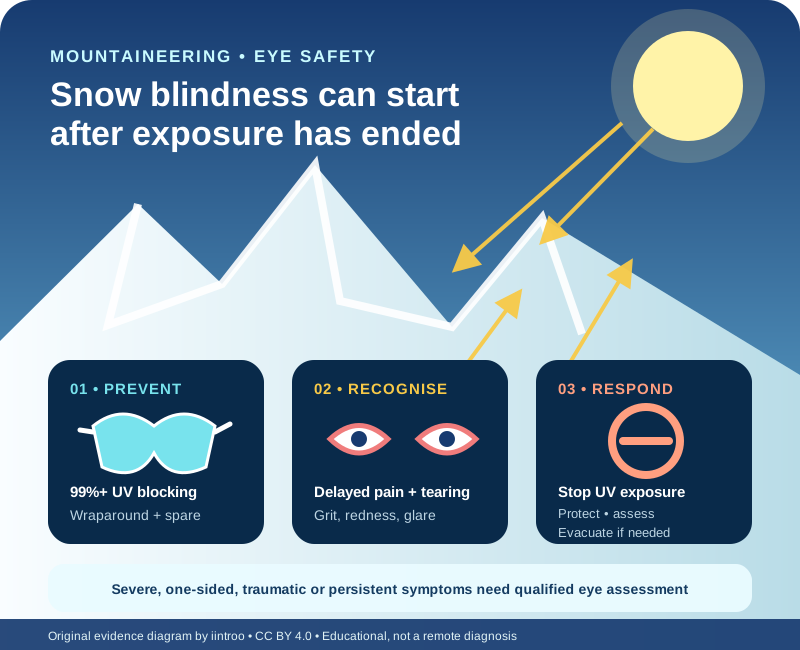
Key points
- Snow and ice reflect ultraviolet radiation, and high altitude adds exposure; photokeratitis symptoms may begin only after the damaging exposure has ended.
- Wraparound sunglasses or glacier goggles that block at least 99 percent of UV reduce risk; side coverage and a usable spare matter in mountain conditions.
- Severe pain, reduced vision, one-sided symptoms, trauma, a possible foreign body or symptoms that do not improve need qualified eye assessment rather than self-treatment.
Recognise a reflected-light injury
This guide is for mountaineers, skiers, guides and expedition teams. Snow blindness is photokeratitis: ultraviolet injury to the corneal surface and conjunctiva. Snow and ice can reflect UV toward the eyes, while altitude increases exposure. Bright conditions are not the only concern; UV can remain substantial through cloud, and reflected light can reach around poorly fitting lenses.
Symptoms are often delayed, so an athlete may finish the exposed section before pain begins. Typical features include both eyes becoming painful, red, watery, gritty and very sensitive to light, sometimes with blurred vision or eyelid spasm. Those features fit photokeratitis but do not prove it; abrasion, infection, retained foreign material, contact-lens complications and other eye emergencies can overlap.
Choose protection for the whole route
Use sunglasses or glacier goggles that block at least 99 percent of UV radiation and provide close, wraparound or side-shield coverage. Select equipment that remains secure, ventilates sufficiently and can be used with the athlete's prescription lenses and other protective kit. Dark tint alone does not prove UV protection; check the product specification and condition.
Carry an accessible, functional spare because broken, lost or fogged eyewear can turn a routine descent into unprotected exposure. Plan for teammates and for transitions before stepping onto snow or ice. Hats and face covering can reduce stray light but do not replace UV-rated lenses. Children, contact-lens users and people after eye procedures may need individual advice before remote travel.
Stop exposure when symptoms begin
Move out of UV exposure, keep the eyes protected from bright light and remove contact lenses. Do not rub the eyes or resume travel that requires clear vision. A cool compress over closed eyes may be comfortable, but the team must first manage navigation, weather, terrain and the person's ability to move safely. In remote settings, reduced vision may itself require evacuation support.
Do not share prescription drops or use topical anaesthetic drops outside qualified clinical care; they can delay healing and mask deterioration. Antibiotics, cycloplegic drops and pain medicines are clinical decisions, not a universal expedition kit protocol. Telemedical advice can support planning when available, but it cannot replace examination when the diagnosis or severity is uncertain.
Know when the pattern is not reassuring
Photokeratitis commonly affects both eyes after a clear exposure and often improves over one to two days, but that usual course is not a reason to ignore severe or atypical symptoms. Arrange urgent assessment for major vision loss, intense or worsening pain, one-sided symptoms, trauma, chemical exposure, a possible embedded foreign body, pus, unequal pupils, new flashes or a curtain-like visual shadow.
Seek assessment if symptoms fail to improve as expected or if a contact-lens wearer has pain and redness. An eye clinician can examine the cornea, use fluorescein when appropriate and distinguish surface UV injury from other causes. Normal appearance to a teammate does not rule out corneal damage, and a remote group should not force the eyelids open for repeated amateur checks.
Return only when vision and function are restored
Do not climb, ski, drive or manage exposed terrain while pain, light sensitivity, tearing or blurred vision impairs judgement and depth perception. Resume only after symptoms and functional vision have recovered and any clinician's restrictions are met. Recheck protective equipment and the circumstances that caused exposure before the team continues.
A previous episode does not create useful tolerance; prevention is required on every relevant outing. Expedition leaders should include UV eye protection, spares and evacuation triggers in the risk plan rather than treating sunglasses as optional comfort gear. This page is educational and cannot examine an injured eye or decide whether a particular person can safely remain on the mountain.