
Overtraining syndrome: persistent fatigue is a clinical puzzle, not a wearable score
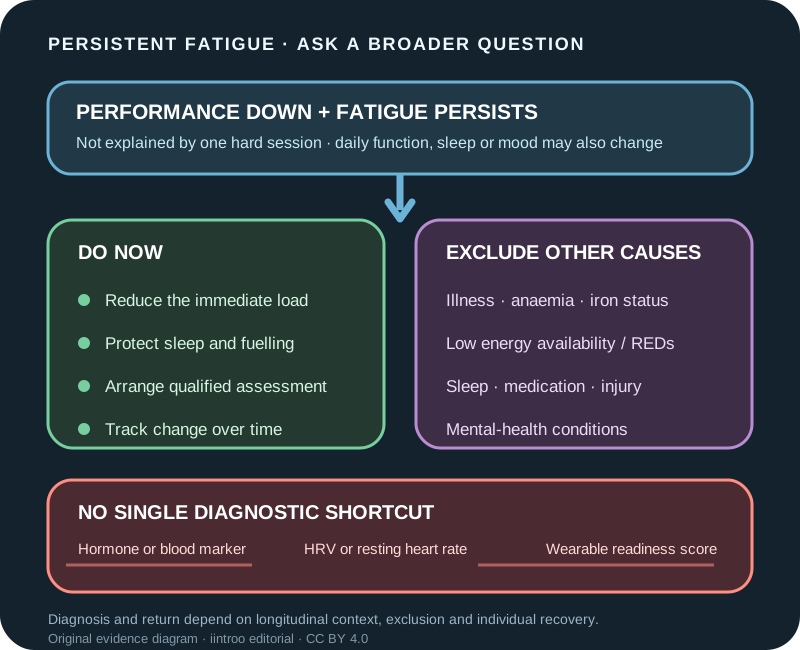
Persistent fatigue with a prolonged performance decline needs recovery and medical assessment. No symptom, blood marker or wearable can diagnose overtraining alone.
Key points
- Functional overreaching can be planned and reversible; non-functional overreaching and overtraining syndrome involve prolonged maladaptation, but their boundary is difficult to identify prospectively.
- Persistent performance decline, fatigue, sleep or mood change is non-specific and should trigger a broad assessment for illness, low energy availability, iron problems, medication effects and mental-health concerns.
- No hormone, blood test, heart-rate metric, questionnaire or wearable score can diagnose overtraining syndrome on its own; longitudinal context and exclusion of other causes are essential.
Training fatigue exists on a spectrum
This guide is for athletes, coaches and multidisciplinary support teams facing a sustained drop in performance. A hard block normally produces fatigue. Functional overreaching deliberately accepts a short performance reduction followed by recovery and adaptation. Non-functional overreaching lasts longer without the expected gain, while overtraining syndrome describes a more prolonged, serious maladaptation. In real time, those categories are difficult to separate because duration and eventual recovery help define them.
Workload is only one part of the stress picture. Competition, travel, sleep loss, school or employment, illness, nutrition and psychological demands interact. A universal workload ratio or red-zone number cannot encode those differences. The purpose of monitoring is to notice change early and support a conversation, not to certify that an athlete is safe to continue.
The signs are important but non-specific
A prolonged performance decline accompanied by unusual fatigue, heavy-feeling training, disturbed sleep, irritability, low mood, loss of motivation or recurrent illness deserves attention. The 2026 psychological review found altered mood, stress, burnout and fatigue across only 11 heterogeneous studies involving 461 elite adults; cognitive evidence was sparse. Those findings support psychological assessment but do not create a diagnostic symptom list.
Stop framing persistent symptoms as a character test. Reduce the immediate training demand and arrange qualified assessment, especially when function is worsening. Urgent care is needed for chest pain, collapse, severe breathlessness, new neurological symptoms, suicidal thoughts or another acute emergency. A coach or app should not decide that concerning symptoms are simply overtraining.
Assessment must exclude other explanations
Overtraining syndrome is an exclusion diagnosis. The clinical review may consider infection, anaemia or iron deficiency, endocrine disease, sleep disorder, low energy availability and REDs, medication effects, substance use, injury and mental-health conditions. The athlete's training history, nutrition, menstrual or reproductive health where relevant, travel, life stress and recovery opportunity provide context for examination and targeted tests.
Do not start restrictive eating, supplements or a self-directed hormone strategy in response to fatigue. Low energy availability can affect athletes of any sex and body size, and symptoms overlap with other conditions. A sports physician may coordinate care with a dietitian, psychologist and other specialists. The goal is to find treatable contributors and protect health, not to force every case into one label.
No single biomarker closes the case
The consensus found no generally accepted marker that meets the requirements for diagnosing overtraining syndrome. A 2026 molecular review reaches the same practical conclusion: hormones, inflammatory measures, metabolites and other signals may describe training response, but no solitary marker has adequate specificity, stability and portability. Hard exercise, collection timing, illness and individual baselines can all change laboratory results.
Resting heart rate, heart-rate variability, sleep estimates and readiness scores can add longitudinal context when collected consistently. They are not medical tests and should not overrule the athlete's symptoms or examination. A normal score does not clear persistent decline, and an abnormal score does not prove overtraining. Share the raw trend and circumstances with the qualified team rather than chasing a proprietary threshold.
Recovery is staged and individual
Management begins by reducing the mismatch between demand and recovery while the assessment proceeds. Depending on the findings, the plan may include rest from intense training, adjusted volume, treatment of an identified condition, restored fuelling and sleep opportunity, and psychological support. There is no evidence-based universal number of rest days, and adding cross-training can simply preserve the overload if its intensity is not counted.
Return should rebuild ordinary daily function and tolerable low-intensity exercise before sport-specific volume and intensity. Track symptoms, mood, sleep, performance response and the next-day effect; discuss progression rather than relying on one green light. Prevention means realistic periodisation, genuine recovery choices, confidential reporting and a culture in which an athlete can say that the plan is no longer working.