
Triathlon training load: count the swim, bike and run as one health picture
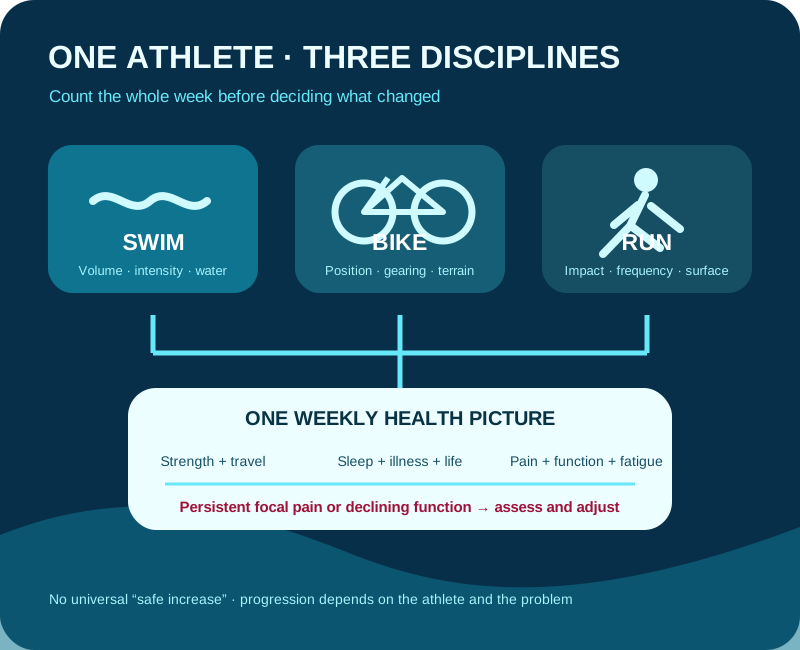
Three disciplines can hide one rising workload. Track pain, fatigue and exposure together, then adjust the mix before an overuse problem grows into injury.
Key points
- Triathlon exposure includes three sports plus strength work, transitions, travel and competition; a moderate rise in each discipline can become a large total change.
- Reviews consistently identify overuse and lower-limb problems, but study methods and injury definitions vary and do not provide one safe weekly increase rule.
- Persistent focal pain, pain at rest or night, limping, swelling, loss of function or a marked performance decline should trigger assessment rather than a switch to another painful discipline.
One programme, not three separate diaries
This guide is for triathletes, coaches, families and health teams planning short- or long-course training. Swimming, cycling and running create different local stresses, yet the athlete adapts to their combined week. Strength sessions, transition practice, work, sleep loss, travel and illness also affect readiness. Recording each sport in isolation can miss the size and timing of the total change.
Use a single calendar that shows duration, intensity, terrain, footwear, bike-position changes, pool or open-water demands, strength work and competitions. Add a simple internal response such as perceived effort, fatigue, soreness and mood. These data help a coach and clinician ask better questions; a watch score or acute-to-chronic ratio does not diagnose injury or prove a session is safe.
Know what the epidemiology can and cannot say
A systematic review of short-course triathlon found running associated with most reported injuries across included studies, while overuse and lower-limb problems were prominent. A separate review of long-distance triathletes found overuse injuries common, especially around the knee and spine, but only six studies qualified and their overall quality was relatively poor. These findings support vigilance, not a claim that running is inherently unsafe.
In a four-season prospective study of 50 elite Australian short-course triathletes, most injuries occurred in training and bone stress injuries produced the greatest time-loss burden. Female athletes had a higher bone-stress-injury rate in this small elite cohort. That association cannot predict an individual injury or be transferred unchanged to community, youth, Para or long-course athletes.
Look for change and consequence, not a magic percentage
There is no universally validated '10 percent rule' for adding triathlon load. A change can involve more intervals, hills, harder gearing, longer bricks, extra run frequency, new shoes, a lower bike position or less recovery even when total hours look similar. Previous injury, low energy availability, menstrual or hormonal health, sleep, illness and life stress can change the response to that exposure.
Review week-to-week changes alongside symptoms and function. Persistent focal bone pain, pain that worsens during a session, pain at rest or night, swelling, limping, weakness, altered technique or a clear loss of capacity needs professional assessment. Do not keep overall load unchanged by replacing painful running with painful cycling or swimming without understanding the injury.
Adjust the mix while protecting the goal
When early concern appears, the useful question is which stimulus can be reduced, moved or replaced without turning another discipline into excessive compensation. A clinician and coach may modify impact, intensity, volume, position or frequency while preserving tolerable activity. Strength work may support capacity, but it is not a universal antidote and must also be counted as load.
A return plan should rebuild the discipline that provoked symptoms as well as transitions and race-specific sequences. Being pain-free in the pool does not demonstrate readiness for a run off the bike. Track the response during the session and over the next day, and escalate when function or symptoms deteriorate. Individual diagnosis, tissue healing and event demands determine progression—not an online calendar.
Build a review point before race week
World Triathlon encourages periodic health evaluation and pre-participation assessment. Before a major block or race, identify unresolved pain, recent illness, medication changes, sleep disruption, energy and iron concerns, previous heat or open-water problems and access to medical support. A review is most useful while there is still time to alter the plan.
The published triathlon evidence is heterogeneous, with different populations, definitions and surveillance quality. It does not validate one dashboard, screening test, weekly volume or strength routine as injury prevention. This article offers a way to organise information for qualified assessment, not a personal training prescription or return clearance.