
Triathlon open-water swim safety: plan how to stop before the start
Open-water conditions, crowding and cold can turn discomfort into distress quickly. Practise the environment, know the event signals and make stopping, floating and requesting rescue part of the race plan.
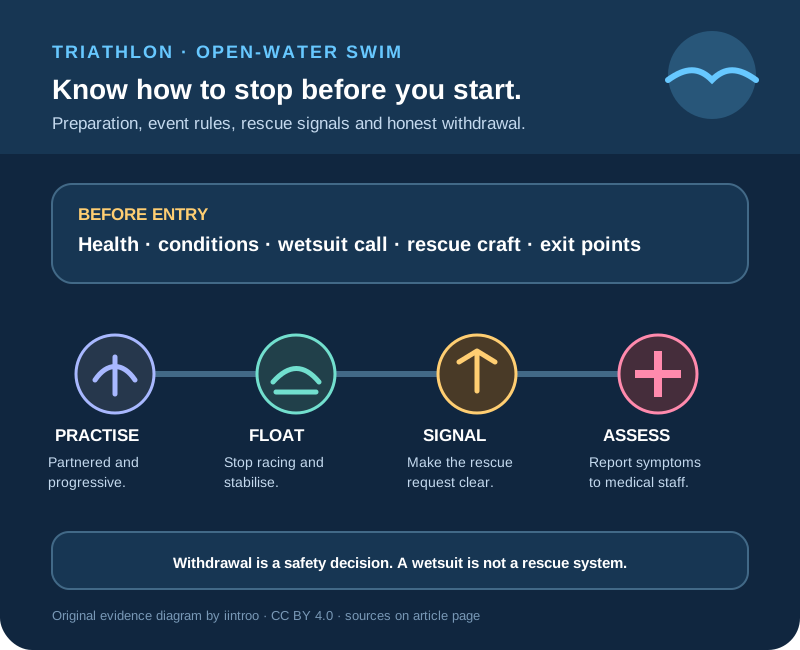
Key points
- Open-water competence includes stopping, orienting, floating and signalling for help; pool speed alone does not prove readiness for race conditions.
- Current World Triathlon rules link wetsuit use and possible swim modification to measured water and air conditions, so athletes must follow the event decision rather than a personal temperature guess.
- Chest pain, unexplained breathlessness, fainting, palpitations or a history that raises concern should be assessed before competition; a race-day checklist cannot clear a medical condition.
Prepare for the water you will actually enter
This guide is for age-group triathletes, coaches, families and event teams. Open water adds visibility limits, waves, current, temperature, navigation and other swimmers to the basic task of swimming. Practise in a supervised setting with a partner or organised group, build exposure progressively and rehearse sighting, controlled starts and what to do when rhythm or orientation is lost.
USA Triathlon advises avoiding solo open-water training where possible and using a visible buddy system. A tow float can improve visibility and provide flotation in some training settings, but it does not replace a capable partner, lifeguard or rescue plan and may be restricted in competition. Check the venue, local hazards, water quality and event-specific equipment rules each time.
Know the event's temperature and wetsuit decision
World Triathlon's 2026 rules use measured conditions, swim distance and age category to govern wetsuit use, and permit modification or cancellation when conditions warrant. The official call belongs to event officials. A watch reading, previous race or social-media report is not a substitute for the published race briefing and start-day announcement.
A wetsuit can change buoyancy, shoulder movement, heat exchange and breathing sensation. Practise the actual suit before race day, check neck and shoulder comfort and learn how it feels during a controlled start. A wetsuit is not a drowning-prevention device, and thicker or tighter is not automatically safer.
Write a stop-and-signal plan
Before entering, identify the rescue craft, course exits, cap colour, start procedure and the signal for assistance. If distress develops, stop racing, move clear of nearby swimmers when possible, roll or float to establish a stable position and signal clearly to safety personnel. Hold available support if directed. Continuing to chase a result while breathing or orientation deteriorates is not a test of toughness.
Coaches can rehearse this sequence in calm, supervised water before adding crowding or pace. The objective is to make stopping familiar, not to simulate a crisis without rescue cover. Athletes should also know that withdrawing during the swim is a safety decision and that event personnel need accurate information about symptoms.
Separate normal effort from warning symptoms
World Triathlon strongly recommends periodic health evaluation and pre-participation examination. Seek qualified assessment before racing for chest pain, unexplained fainting or near-fainting, unusual breathlessness, palpitations, a meaningful family history or a known condition that may affect exercise. Acute symptoms in the water require rescue and medical assessment, not self-diagnosis from the shore.
A UK study identified five deaths among nearly one million sanctioned participations from 2009 to 2015; three occurred during or after the swim, and cardiovascular disease was cited in half of the UK and overseas cases combined. The absolute event rate was low, the case count small and retrospective, and the study cannot predict individual risk or prove that screening would prevent every death.
Use conditions and readiness to make the final decision
Review current illness, recent training, sleep, medication, water familiarity and environmental conditions with appropriate professionals. Do not start because entry fees, travel or team expectations make withdrawal feel difficult. Athletes recovering from illness or with new symptoms may need an individual decision that is more cautious than the event's general permission to swim.
Event organisers are responsible for course risk assessment, rescue coverage, communication and medical response; athletes are responsible for accurate disclosure and following instructions. Neither side can make open water risk-free. The practical aim is layered protection: suitable preparation, current rules, visible supervision, a rehearsed exit plan and prompt medical care when warning signs appear.