
REDs in Para athletes: assess energy availability in context
Low energy availability can affect Para athletes, but standard estimates and screening clues may not transfer cleanly across impairments. Build an accessible, individual assessment.
Key points
- Relative Energy Deficiency in Sport, or REDs, can affect Para athletes, but its frequency and presentation in different impairment groups are not well established.
- Standard energy-expenditure estimates, body-composition methods and symptom checklists may be inaccurate or difficult to interpret for some Para athletes.
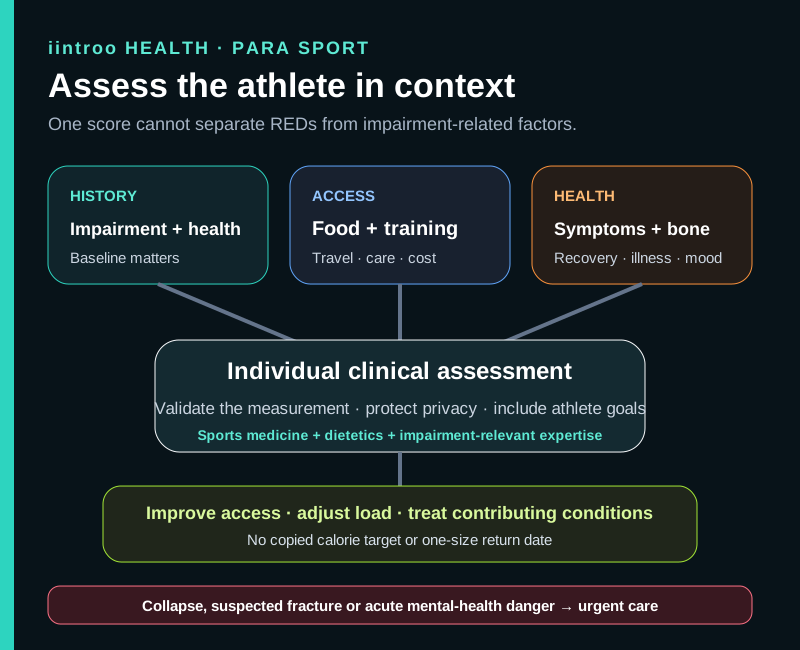
- Assessment should combine the athlete's history, impairment-related physiology, access needs, fuelling opportunities, training load and clinical findings rather than rely on one score.
Start with the syndrome, not a body type
This guide is for Para athletes, coaches and multidisciplinary health teams. REDs describes health and performance effects that can follow problematic low energy availability: dietary energy is insufficient for the combined demands of training, daily life and normal body function. Possible effects span bone, reproductive, metabolic, immune, cardiovascular and psychological health, but no single appearance, symptom or performance change confirms the syndrome.
The IOC framework includes Para athletes, yet the Para-specific literature remains limited. Do not infer low energy availability from body size, mobility-device use, menstrual status or an impairment label. Weight-focused comments and unnecessary restriction can increase harm and discourage athletes from seeking care.
Ask whether the measurement fits the athlete
Energy availability is difficult to measure even in research. For some Para athletes, exercise-energy expenditure equations, assumptions about fat-free mass and standard body-composition techniques have not been validated. Amputation, spinal cord injury, cerebral palsy and other conditions can also change thermoregulation, autonomic function, gastrointestinal function, bone loading or baseline blood results in different ways.
A questionnaire score or calculated calorie gap should therefore open a clinical conversation rather than close the diagnosis. The 2022 Para-athlete assessment review specifically warns that features related to an athlete's impairment, medication or medical history can resemble proposed REDs indicators. Interpretation needs relevant Para-sport and clinical expertise.
Map access and daily demands
Review training, competition and rehabilitation load alongside transfers, mobility, personal care and work or study. Ask whether travel, venue accessibility, assistance schedules, food texture, swallowing, gastrointestinal symptoms, fatigue, finances or limited food provision reduce fuelling opportunities. These are system questions, not failures of athlete discipline.
With consent, record changes in pain, recurrent illness, recovery, mood, sleep, menstrual or hormonal function where relevant, pressure injuries, bone stress symptoms and performance. Establish the athlete's usual baseline. A 2026 scoping review found important evidence gaps around hydration and low energy availability in Para athletes, so population averages should not be presented as impairment-specific prescriptions.
Use a coordinated clinical assessment
Persistent fatigue, repeated injury or illness, unintentional weight change, impaired recovery, menstrual change or suspected bone stress injury deserves qualified assessment. The team may include a sports physician, registered sports dietitian, psychologist and other impairment-relevant specialists. Tests and imaging should follow the history and examination rather than a universal panel.
Urgent care is appropriate for collapse, severe dehydration, chest symptoms, acute neurological change, a suspected fracture or immediate mental-health danger. Otherwise, protect privacy and explain what data will be collected, who can see it and how it will affect participation decisions. IPC medical principles support athlete access to appropriate care and confidentiality.
Treat causes while protecting participation
Management can involve improving food access and timing, modifying training or rehabilitation load and treating contributing medical or psychological conditions. The direction and pace must be individual. A fixed calorie target, body-composition goal or return date copied from a non-disabled athlete is not justified by current evidence.
Continue to review health, function and the athlete's own goals as the plan changes. Bone stress symptoms, endocrine findings and severe psychological distress require their own pathways. This article is educational and does not diagnose REDs, calculate energy needs, prescribe supplements or provide clearance to train or compete.