
Para athletes using prostheses: protect residual-limb skin before breakdown
Pressure, shear, sweat and changing limb volume can turn a small hot spot into lost training time. Use a repeatable skin check, respond early and involve the athlete, prosthetist and clinical team when fit or tissue tolerance changes.
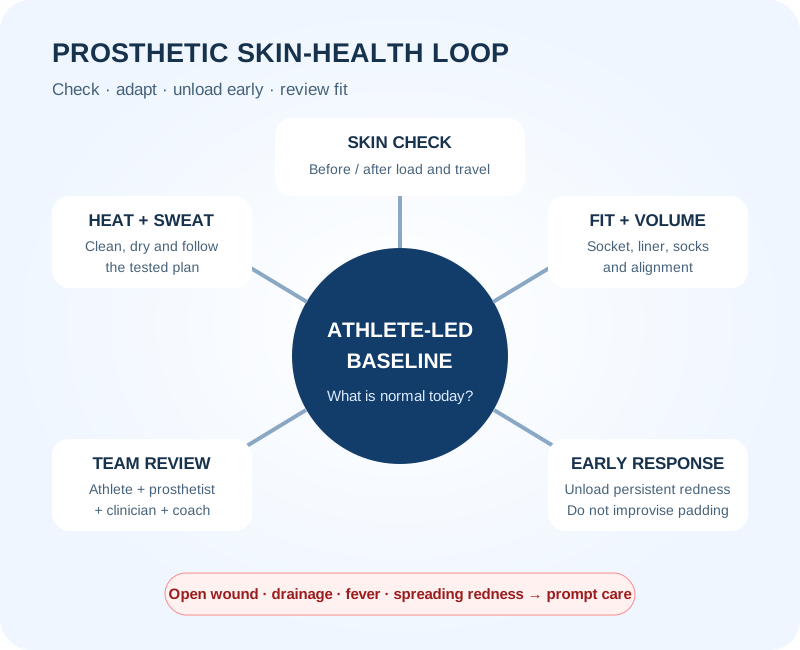
Key points
- The residual limb can change volume during training, travel and over longer periods, so a previously comfortable socket may develop new pressure or shear points.
- The 2024 Para-athlete health consensus recommends ongoing skin and tissue surveillance, prosthetic-fit review and involvement of a prosthetist or orthotist where feasible.
- New redness that does not resolve after unloading, a blister, open wound, drainage, increasing pain, odour, fever or reduced function should prompt early clinical and prosthetic review rather than training through it.
Make the athlete's baseline visible
This guide is for athletes with limb loss who use a sports or everyday prosthesis, plus coaches, prosthetists and healthcare teams. Skin colour, scarring, sensation, sweating and tolerance differ between people. Agree what normal looks and feels like for the athlete, how they prefer to check areas they cannot easily see and who should be contacted when something changes.
Inspect the residual limb before and after training, after travel and when workload, body mass, socket components or environment change. A mirror, accessible lighting or help chosen by the athlete can make checks practical. Document recurring locations rather than treating each episode as unrelated; the pattern may identify a fit, alignment, liner, hygiene or load issue.
Separate normal short-lived marks from warning signs
Some temporary marks can occur where a socket loads the limb, but persistent or intensifying redness, discolouration, blistering, broken skin, swelling, unusual warmth, odour, drainage or pain is not a cue to toughen the tissue through more exposure. Reduced sensation can hide severity, so visual and tactile checks matter even when pain is absent.
Unload and reassess early. Do not place improvised padding inside the socket without guidance: it can shift pressure elsewhere or change alignment. A prosthetist should review fit when the problem recurs, when limb volume has changed or when the athlete needs progressively more socks or adjustment to feel secure.
Plan for heat, sweat and changing limb volume
Exercise, climate and an enclosed liner can raise temperature and moisture at the skin-socket interface. Sweat can increase slippage, friction and maceration. The 2026 rapid review found promising liner, socket, ventilation and moisture-management approaches, but only 16 studies met inclusion criteria, populations were small and mostly male, and solutions were not interchangeable.
Follow the manufacturer and clinical team's instructions for cleaning, drying, sock-ply changes, liners and suspension. Pack a private changing setup, clean spares and the equipment needed for the athlete's established plan. New antiperspirants, vented systems or material changes require individual review and testing; the VA/DoD guideline finds evidence insufficient for a universal hyperhidrosis treatment recommendation.
Adjust training and equipment together
A sudden rise in sprinting, jumping, hills, session length or competition density can exceed tissue tolerance even when equipment has not visibly changed. Conversely, reducing training alone will not correct a poorly fitting socket. Review the sport task, surface, volume, recovery, travel and prosthetic setup as one system.
Return should be graded against wound status, skin response during and after loading, fit, function and the sport's demands. The athlete, prosthetist and relevant clinician should agree on modifications and checkpoints. There is no universal number of rest days or safe degree of redness that an article can prescribe.
Escalate open wounds and infection early
An open wound, drainage, spreading redness, fever, marked swelling, rapidly increasing pain, tissue that appears dark or non-viable, or loss of function needs prompt qualified care. Vascular disease, diabetes, immune suppression, prior deep infection or recurrent ulceration lowers the threshold for assessment. Do not keep wearing a prosthesis over a worsening wound solely to meet a competition deadline.
Pressure injuries can affect independence and wellbeing as well as sport. Provide confidential, accessible care and avoid blame. A multidisciplinary plan may include wound care, socket or alignment changes, training modification and psychosocial support; evidence for individual treatments remains limited and depends on the wound, tissue, comorbidities and athlete goals.