
Wheelchair sport shoulder pain: review load, technique and equipment together
Sport, propulsion and transfers can create substantial upper-limb load, but shoulder pain is multifactorial. Track symptoms early and review training, technique and wheelchair setup with the right rehabilitation team.
Key points
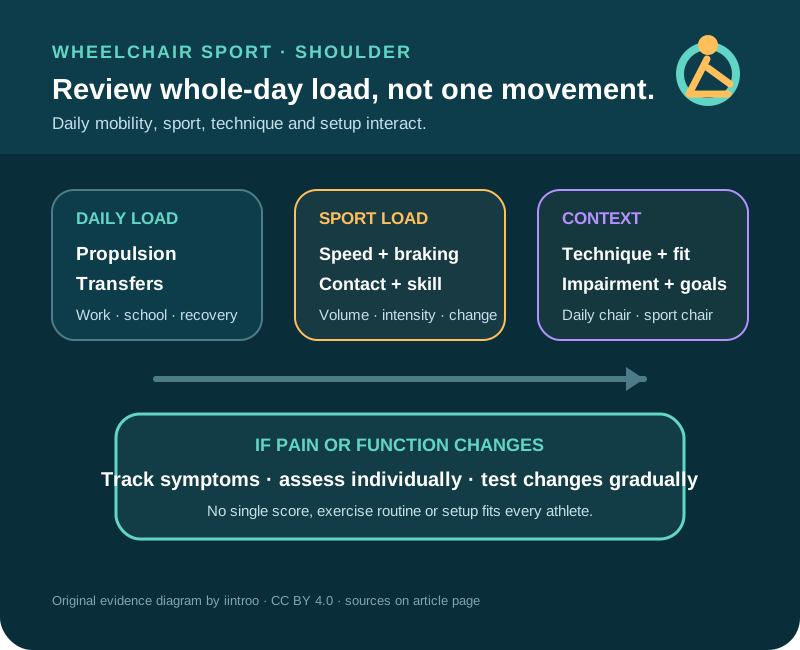
- Shoulder load can come from daily mobility, transfers and sport together, so training hours alone do not explain every symptom.
- Current prevention evidence is limited and does not identify one exercise routine or wheelchair setup that works for every athlete.
- Persistent pain, weakness, loss of function or neurological symptoms need individual assessment rather than repeated training through pain.
Count the whole day of upper-limb work
This guide is for manual-wheelchair athletes, coaches, families and support teams across court, track and field sports. The shoulder may contribute to propulsion, braking, transfers, pressure relief, work or school tasks and sport-specific actions. A hard session therefore sits on top of daily mobility load rather than replacing it.
Reviews report that shoulder pain is common in wheelchair users and athletes, but prevalence varies widely and cross-sectional studies cannot prove that one movement caused the pain. Impairment, wheelchair type, technique, training history, recovery and access to support differ substantially. Avoid treating all wheelchair athletes as one clinical group.
Record symptoms and function before guessing the cause
Note when symptoms appear, which movements provoke them, whether function or sleep changes and how sport and daily propulsion loads have shifted. A simple load-and-symptom log can support a conversation, but it is not a diagnostic test. Pain intensity alone does not show tissue damage, and a normal-looking push pattern does not rule out a problem.
A 2026 scoping review found many shoulder assessment tools in wheelchair users, with the Wheelchair User's Shoulder Pain Index used frequently. The authors recommended a broader biopsychosocial approach and multiple measures. A questionnaire score should therefore inform — not replace — history, examination and the athlete's goals.
Review wheelchair fit and technique individually
WHO's wheelchair provision guideline treats assessment, fitting, training and follow-up as connected services. Seat position, wheel access, stability, pressure management and sport rules can interact. A setup that improves one task may compromise another, so online measurements or a team-mate's configuration should not be copied as a universal prescription.
A suitable review may involve the athlete, coach, physiotherapist or occupational therapist, wheelchair specialist and sports technician. Consider both the daily chair and sport chair, transfer demands and the competitive environment. Any equipment change should be tested progressively for control, safety, skin protection and performance before competition.
Use exercise evidence without overpromising prevention
A 2024 scoping review found only four eligible adaptive-sport prevention studies. Programmes reported some improvements in range of motion or pain, but the evidence base was too small and varied to establish one proven prevention package. A warm-up, strengthening circuit or stretching routine cannot guarantee an injury-free season.
Exercise can still be useful when selected for the individual. Balance mobility, strength, technique, progressive sport exposure and recovery with professional guidance where needed. Do not continue a generic routine if it increases symptoms or interferes with transfers and essential daily independence.
Escalate early when function changes
Seek qualified assessment for persistent or worsening pain, new weakness, loss of propulsion or transfer ability, numbness, tingling, instability, swelling or symptoms after significant trauma. Sudden chest pain, breathing difficulty or other emergency features need urgent local medical care rather than a shoulder self-management plan.
A return decision should reflect the diagnosis, daily mobility requirements, sport-specific contact and speed, equipment control and the athlete's response to progressive load. Protecting participation may mean modifying both training and non-sport demands. The aim is sustainable access to sport, not forcing every athlete through the same checklist.