
Autonomic dysreflexia in Para sport: recognise the emergency and reject boosting
Athletes with susceptible spinal cord lesions need an agreed response to sudden high blood pressure. Deliberately provoking it for performance is dangerous and prohibited.
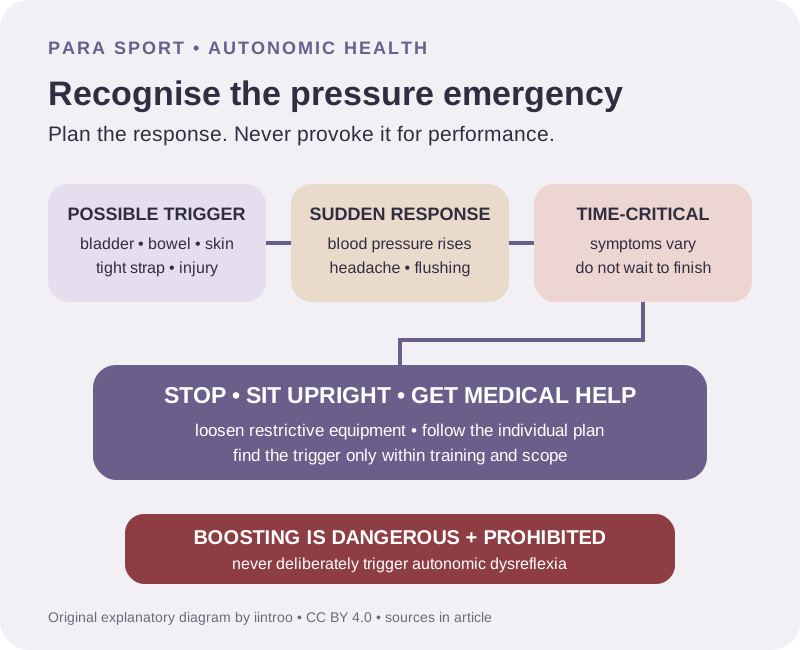
Key points
- Autonomic dysreflexia can cause sudden, dangerous hypertension in susceptible people with spinal cord injury.
- Symptoms and usual blood pressure vary; teams need an individual emergency plan.
- Deliberately provoking autonomic dysreflexia for performance, known as boosting, is prohibited and dangerous.
Know who may be susceptible
This guide is for athletes with spinal cord injury, coaches, personal assistants, classifiers and medical teams. Autonomic dysreflexia is a sudden autonomic response that can produce dangerous high blood pressure, most often in people with cervical or high-thoracic spinal cord lesions. Susceptibility, usual blood pressure and symptoms differ between individuals.
Possible features include a pounding headache, sweating or flushing above the lesion, goosebumps, nasal congestion, anxiety, blurred vision and changes in heart rate. Some episodes can be less obvious. A symptom list cannot confirm the diagnosis, and an athlete whose resting pressure is low may have a serious rise before a number looks high by general-population standards.
Common triggers can be hidden during sport
A full bladder, blocked catheter, bowel problem, tight strap, pressure area, skin injury, fracture or other painful or irritating stimulus below the lesion can trigger an episode. During competition, equipment, transfers, travel and limited access to toileting can conceal or compound these problems. The first task is to stop activity and follow the athlete's medical emergency plan.
General clinical guidance usually places the person upright, loosens restrictive equipment, checks blood pressure repeatedly and searches quickly for the trigger, beginning with bladder-related causes. Technique and medication decisions require training and individual medical instructions. A coach should not improvise catheter care or administer someone else's medicine.
Treat the episode as time-critical
Activate the event medical team and local emergency pathway when autonomic dysreflexia is suspected, particularly when blood pressure remains high, the trigger cannot be removed, symptoms worsen or the athlete's individual plan requires it. Severe hypertension can lead to seizure, stroke, heart rhythm disturbance or other complications. Do not allow a race, classification concern or medal decision to delay care.
Teams should record the athlete's usual blood pressure, lesion level, typical symptoms, known triggers, catheter or bowel considerations, prescribed rescue plan and emergency contacts before travel. That information belongs in a confidential medical pathway, not on a public team board.
Boosting is not a performance strategy
Some athletes have deliberately provoked autonomic dysreflexia to raise blood pressure and potentially improve performance, a practice known as boosting. The IPC prohibits it because it exposes the athlete to serious and unpredictable harm. No performance goal makes a medical emergency acceptable.
A high pre-competition blood-pressure reading can have several explanations and requires the authorised medical process. The IPC statement assigns monitoring responsibilities to the athlete's National Paralympic Committee and medical team and describes documentation for athletes with established hypertension. This article does not reproduce a threshold as a self-check or competition-clearance rule.
Practise the response without provoking symptoms
Rehearse communication, privacy, equipment release, accessible transfer, blood-pressure measurement and emergency access with the athlete and qualified team. Review the plan after equipment, medication, bladder or bowel management, health status or travel arrangements change. The rehearsal should be a tabletop or equipment drill; never deliberately trigger an episode.
After an event, medical review should address the cause and whether the plan or equipment needs to change. Return to training or competition depends on the episode, trigger, complications and the athlete's clinician. This guide provides recognition and planning principles, not a diagnosis, medication order or clearance decision.