
Plant-based athletes: plan energy, protein, vitamin B12 and iron
A vegetarian or vegan diet can support sport, but it is not automatically complete or performance-enhancing. Build a practical food plan, secure reliable vitamin B12 and test suspected deficiencies before treatment.
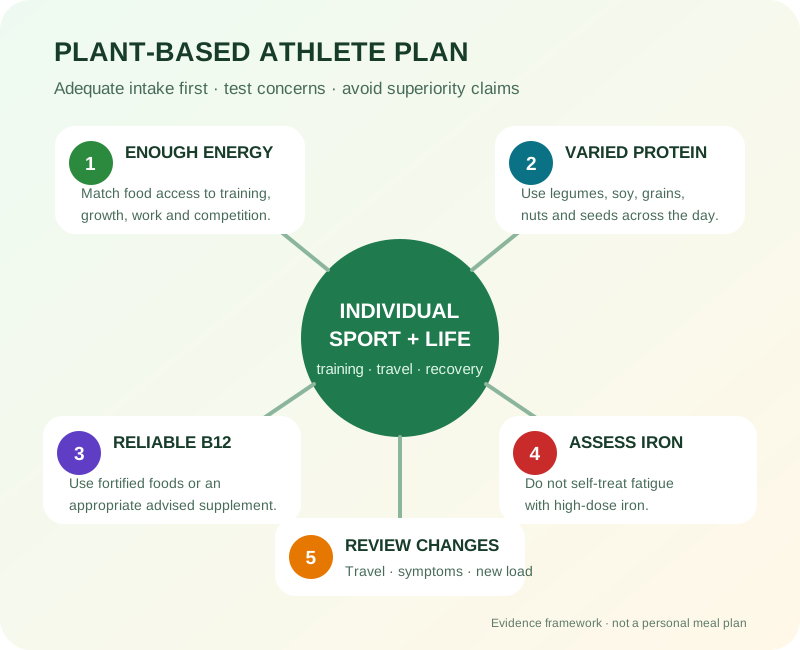
Key points
- Systematic reviews do not show that plant-based eating is inherently harmful to performance, but small, heterogeneous and often short studies do not prove that it improves performance either.
- Vitamin B12 is not naturally present in plant foods; vegan athletes need a reliable source from fortified foods or an appropriate supplement planned with qualified advice.
- Iron supplements should not be used as an insurance policy: symptoms are non-specific, excess iron can be harmful and blood results need clinical interpretation in the athlete's context.
Separate an ethical or cultural choice from a performance claim
This guide is for athletes who eat vegetarian, vegan or mostly plant-based diets, plus families, coaches and support teams. A well-planned pattern can support training, health and competition. Current reviews do not show an inherent performance disadvantage, but they also do not justify promises that removing animal foods will automatically improve recovery, inflammation, strength or endurance.
The 2024 meta-analysis found no overall difference when aerobic and strength or power outcomes were combined. Its studies varied in diet definitions, participants, duration and training, and many involved healthy adults rather than elite athletes. Use that result to reject simplistic fear and marketing at the same time: diet quality, total intake and the demands of the sport matter more than the label alone.
Start with enough food for the training load
High-fibre plant foods can be filling, which is useful in some settings but can make it harder to meet energy needs during heavy training, growth or a congested competition schedule. Plan meals and snacks around the real timetable, including early sessions, school or work, travel and recovery. Energy-dense options such as grains, legumes, soy foods, nuts, seeds and oils can help where appetite or time is limited.
A restrictive plant-based pattern layered onto weight pressure can increase the risk of low energy availability. Recurrent injury, impaired recovery, fatigue, menstrual disruption, reduced libido, mood change or declining performance are reasons for a confidential sports-medicine and dietetic assessment, not proof of one diagnosis. Do not respond by copying another athlete's calorie target.
Distribute varied protein foods instead of chasing one perfect source
Beans, peas, lentils, soy foods, nuts, seeds, grains and, for vegetarians who use them, dairy or eggs can contribute protein. Plant proteins differ in amino-acid profile and digestibility, so variety, adequate total intake and useful distribution across meals matter. An accredited sports dietitian can adapt portions and timing to body size, training phase, appetite and food access.
Protein powder is not a mandatory feature of plant-based sport. It can be convenient when whole-food options are impractical, but the label should not replace a dietary review. Athletes subject to anti-doping rules also need a contamination-risk process for every supplement. This article does not prescribe grams per kilogram because individual needs and the rest of the diet must be assessed together.
Make vitamin B12 reliable and assess iron rather than guessing
Vitamin B12 supports neurological function, red-blood-cell formation and DNA synthesis. The NIH notes that it is not naturally present in plant foods; reliable vegan sources are appropriately fortified foods or supplements. Product fortification varies, and seaweed, fermented foods or an unverified 'natural' product should not be assumed to provide dependable active B12. A clinician or dietitian can advise on an appropriate source and interpret testing.
Plant foods provide non-haem iron, but its absorption differs from haem iron and is influenced by the meal and the athlete's status. Tiredness, breathlessness or poor performance have many causes. Do not self-treat with high-dose iron: assessment can include medical history, diet and appropriately timed blood tests, with follow-up chosen by a qualified clinician.
Review the plan when context changes
Calcium, vitamin D, iodine, zinc and long-chain omega-3 intake may also need attention depending on food choices, location, sun exposure, life stage and medical history. Pregnancy, adolescence, menopause, gastrointestinal disease, food allergy, injury rehabilitation and altitude or heat camps can change priorities. A single multivitamin does not guarantee adequate energy, protein or absorption.
Revisit the plan before travel, during a major training increase and when symptoms appear. Confirm what foods will actually be available, how fortified products are labelled and whether any supplement is necessary, permitted and independently batch tested. A plant-based diet should be practical, enjoyable and nutritionally sufficient; it should not become a test of purity or a reason to ignore clinical evidence.