
Postpartum running: use readiness and symptoms, not a calendar alone
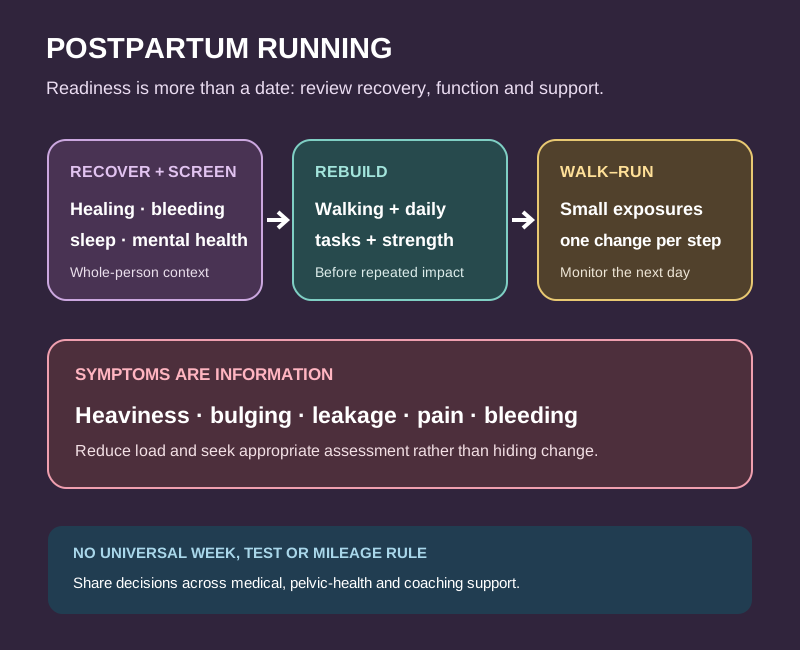
Birth route and weeks postpartum do not fully describe running readiness. Rebuild daily function and strength, progress walk-run exposure, and respond early to pelvic, bone, bleeding or mental-health concerns.
Key points
- There is no single postpartum week that proves every runner is ready; birth recovery, symptoms, sleep, support and prior training all matter.
- Walking tolerance, everyday function and progressive strength can be rebuilt before running load is added in small, monitorable steps.
- Pelvic heaviness or bulging, leakage, worsening bleeding, focal bone pain or persistent musculoskeletal pain deserves assessment rather than concealment.
Start with recovery, not a race date
This guide is for recreational and competitive runners after birth, as well as coaches and support teams. Vaginal or caesarean birth, perineal injury, surgery, bleeding, infection, pregnancy complications, previous running and current daily demands can produce very different starting points. A six-week check or any other calendar milestone is not automatic running clearance.
Early priorities include medical recovery, comfortable daily movement and support for feeding, sleep and mental health. The readiness Delphi proposes an initial period of relative rest and then individualized progression, but it is expert consensus rather than a validated test that predicts injury or performance.
Screen the whole runner
Discuss healing, bleeding, pelvic pressure or bulging, urinary or bowel leakage, pain, abdominal-wall symptoms, lower-limb pain, dizziness and fatigue. Also consider low energy availability, bone-health risk, lactation, sleep disruption, mood, trauma, childcare, disability and safe access to training.
A runner can look strong in a gym while still having symptoms during impact, and absence of leakage does not prove complete readiness. Pelvic-health physiotherapy, primary or obstetric care, sports medicine and dietetic support can be coordinated according to the person's concerns and local access.
Rebuild capacity before repeated impact
Comfortable walking, stairs and everyday lifting provide useful functional information. Strength work can then rebuild trunk, hip, calf and lower-limb capacity with breathing and pelvic-floor function considered, not isolated as a single squeeze test. The exercise choice and load must fit healing, symptoms and previous experience.
When running is appropriate, a walk-run format can introduce short exposures separated by recovery. Change one major variable at a time—such as duration, frequency, speed, hills or surface—and observe the response during the session and over the following day rather than rushing toward pre-pregnancy mileage.
Use symptoms as information, not a test of commitment
New or worsening pelvic heaviness, bulging, leakage, pelvic or back pain, focal bone pain, limping, wound pain or increasing bleeding should prompt load reduction and appropriate assessment. Chest pain, severe breathlessness, fainting, one-sided leg swelling, heavy bleeding, severe headache, fever or rapidly worsening mental-health symptoms require urgent medical attention.
Symptoms are not a personal failure, and hiding them to protect selection or sponsorship can delay care. Teams can support confidential reporting, flexible training, feeding breaks and realistic travel arrangements. Return decisions should be shared rather than controlled by performance pressure alone.
Be honest about the evidence
Much of the postpartum sport literature relies on expert consensus, small observational studies and clinical reviews. The available work supports individualized, gradual, multidisciplinary return, but it does not validate one universal strength test, weekly mileage rule or injury-free timeline.
Track function, symptoms, recovery and training response rather than body weight or pace alone. Competitive goals can be revised as evidence from the runner's own recovery emerges. This educational guide does not diagnose pelvic-floor dysfunction or provide personal obstetric or return-to-running clearance.