
Roller derby concussion: stop the jam, assess and return step by step
A hard fall or body impact can cause concussion without a direct head blow. Remove concerning symptoms, reassess and use a clinician-guided return safely.
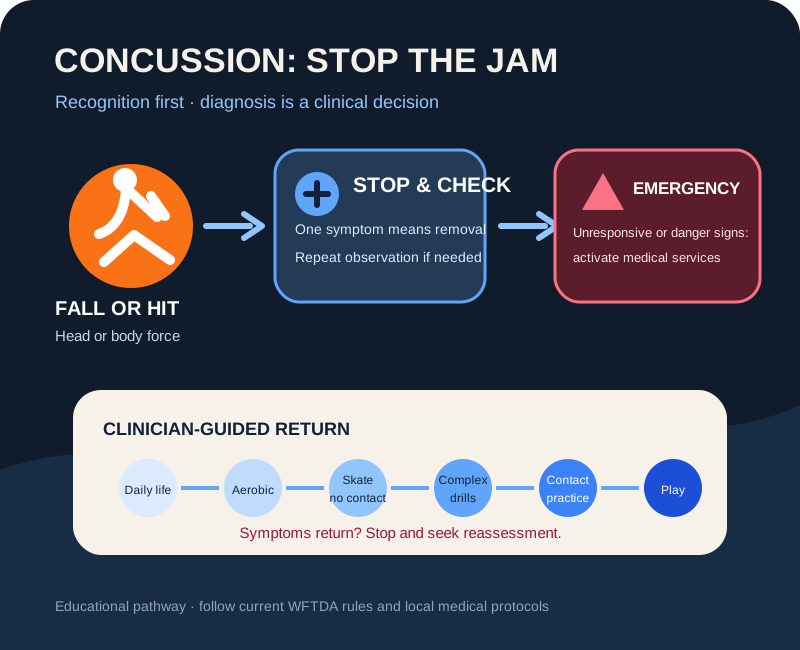
Key points
- Concussion can follow a fall, collision or force transmitted through the body; loss of consciousness is not required and symptoms may appear later.
- Under the WFTDA minimum assessment standard, a single concussion symptom is grounds for removal, and an unresponsive participant needs emergency medical services.
- A recognition tool is not a diagnosis, and return to skating and contact should follow individual clinical guidance rather than a fixed number of days.
Treat the incident, not only the helmet
This guide is for roller derby skaters, coaches, officials, volunteers and event medical teams. A concussion can follow a blow to the head, a forceful body check, a tailbone-first fall or another impact that accelerates the brain inside the skull. A helmet helps manage some impact energy but cannot rule out concussion, and the absence of loss of consciousness does not clear a skater.
When an incident reasonably raises concern, stop participation and create space for assessment. WFTDA guidance says that, under its minimum assessment standard, one symptom is enough to remove a participant from further activity. Refusing assessment is also grounds for removal. A trained assessor may need time and repeat observation because symptoms and behaviour can change after the first check.
Know what requires emergency care
Call emergency services for an unresponsive participant and follow the venue emergency plan. Worsening headache, repeated vomiting, seizure, increasing confusion or agitation, slurred speech, weakness or numbness, unequal pupils, unusual drowsiness or difficulty waking are danger signs. Protect the athlete from further collision, monitor breathing and follow trained medical or dispatch instructions.
Do not move the athlete unnecessarily when a neck injury is possible, do not offer food, drink or medication to an impaired person, and do not send the skater away alone. A teammate's checklist or a sideline tool can support recognition, but diagnosis is a clinical decision. Normal-looking answers to a few questions do not override an observed neurological change.
Build a reporting culture before game day
An international survey of 665 roller derby players reported substantial self-recalled concussion exposure, while a separate survey of 1,395 athletes found the ankle, knee and head among commonly reported injury sites. Both studies relied on retrospective self-report and cannot establish a current incidence rate for every league, surface or ruleset. They do show why leagues should make symptom reporting ordinary rather than a test of toughness.
Name the assessor, quiet assessment area, emergency contact, transport route and person who documents the incident before skating begins. Tell participants how to report symptoms after leaving the venue and who checks in the next day. Officials, coaches and teammates should be able to stop participation without arguing about the score, roster size or whether the contact looked dramatic.
Separate same-day decisions from recovery
A participant with concussion symptoms should not return to play that day. If an appropriately qualified professional determines that concussion is not present, the event still follows that professional's directions and the current WFTDA rules; continued observation matters because symptoms can be delayed. No skater should be pressured to minimise symptoms to preserve a bout or tournament schedule.
After a diagnosed concussion, relative rest replaces prolonged strict isolation. The Amsterdam consensus supports early, symptom-limited daily activity and aerobic exercise within clinical guidance, followed by progressively more demanding sport-specific work. Roller derby adds skating speed, visual tracking, rapid decisions, falls and contact, so clearing ordinary exercise is not the same as clearing a full-contact scrimmage.
Return through skating and contact demands
A clinician-guided progression can move from daily activity and light aerobic work to non-contact skating, complex pace and direction changes, then contact practice and unrestricted play when medically appropriate. If symptoms recur, stop and seek reassessment rather than hiding them or repeating the same stage until the athlete can endure it. School, work, sleep, migraine, mental health and previous concussion may alter the plan.
The roller derby evidence is dominated by cross-sectional surveys, and the wider concussion literature does not provide one universal recovery date. This article cannot diagnose concussion, replace WFTDA requirements, teach emergency care or clear an athlete. Each league should use the rules and medical standards that apply to its event, jurisdiction and level of play.