
A mental health emergency action plan for sport: roles, referral and rehearsal
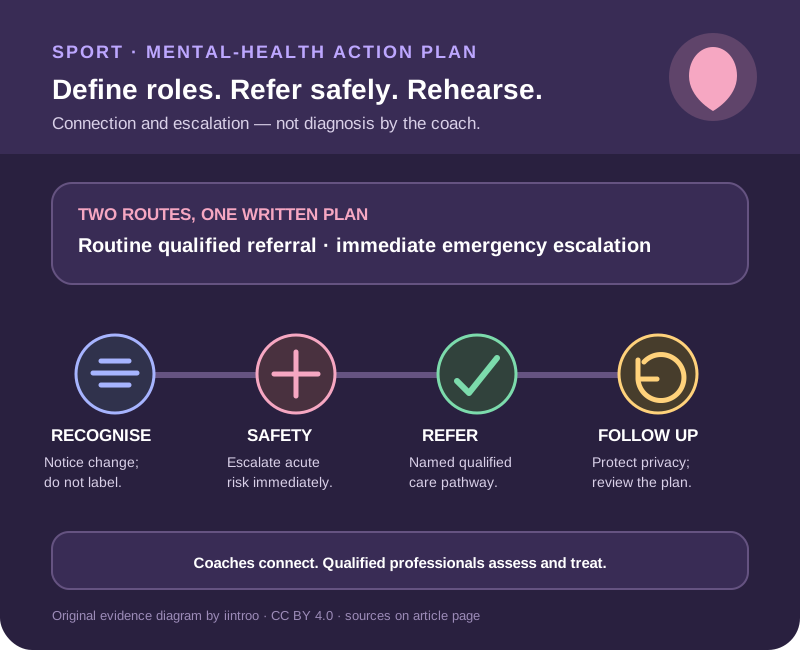
Sport organisations should decide in advance who responds, how immediate risk is escalated and how confidential follow-up works. Coaches can notice and connect; diagnosis and treatment belong to qualified professionals.
Key points
- The 2026 IOC consensus recommends that elite-sport settings establish, rehearse and regularly review mental-health emergency action plans with defined roles and escalation routes.
- A plan needs both routine referral and emergency pathways; not every concern is an emergency, and a screening result is not a diagnosis.
- Coaches and team-mates should listen, protect immediate safety and connect the athlete with qualified help rather than attempting therapy or promising absolute confidentiality.
Define what the plan must do before anyone is in crisis
This guide is for clubs, federations, academies, event organisers, coaches and support staff. A mental-health action plan should describe how ordinary concerns reach qualified care and how an acute situation with immediate risk triggers emergency services. The 2026 IOC consensus recommends written, rehearsed and reviewed plans with clear roles; NCAA best practice likewise calls for pathways covering routine and emergency needs.
The document should name the responsible lead, licensed or registered providers, local emergency contacts, safeguarding route, travel alternatives, communication roles and follow-up owner. Check availability and hours rather than listing a service that cannot be reached. When teams travel, update the plan for the destination's laws, language, resources and emergency numbers.
Recognise change without trying to diagnose
Possible concerns include a sustained change in mood or behaviour, withdrawal, agitation, marked sleep or eating change, substance misuse, declining function or statements about hopelessness or self-harm. None of these alone proves a disorder, and athletes may show distress in different ways. Performance decline is neither required nor a reliable screening test.
Validated screening can support a wider clinical system when administered at planned times with consent, privacy and a real referral route. The IOC surveillance guidance distinguishes screening from diagnosis. A score should never be used by a coach to label, select or deselect an athlete, and collecting data without a response pathway can create false reassurance or avoidable harm.
Use a simple first response and escalate immediate risk
Move to a safer, quieter setting when possible, listen without judgement, ask directly about immediate safety when trained and follow the written pathway. If there is imminent danger, a suicide attempt, severe confusion, dangerous agitation, inability to maintain safety or another acute medical concern, contact local emergency services and the designated clinical lead. Do not leave a person at immediate risk alone unless doing so is necessary for responder safety.
Coaches are connectors, not emergency clinicians. Do not debate, shame, restrain without appropriate authority and training, or offer medication advice. Avoid promising total secrecy: explain that information is shared only as needed for safety and care, following local law and safeguarding duties. In a crisis, safety takes priority over selection, competition and public relations.
Protect privacy and continuity after referral
The plan should define who records an incident, where sensitive information is stored and who is permitted to know it. Teammates and media do not need clinical details. The athlete should be included in communication decisions whenever safety and law allow, with accessible options for Para athletes, young athletes and people facing language or cultural barriers.
Referral is not the end of responsibility. Arrange a named follow-up contact, confirm access to appropriate care and plan safe re-entry to training or competition with qualified clinicians. The IOC consensus notes that many athletes can continue participating with support, while some need temporary modification. No universal symptom threshold or return date suits every situation.
Rehearse the system, then learn from it
Run table-top scenarios that test out-of-hours contact, away travel, youth safeguarding, confidentiality and handover to emergency services. Rehearsal should clarify roles without turning an athlete's real history into training material. Update contact details and induction information at least when personnel, venues or services change.
After an incident, review the process with appropriate privacy: Was the risk recognised? Did the right person answer? Was the athlete treated respectfully? Did follow-up occur? Evidence for sport-specific emergency pathways is still developing, so the plan should be adapted to local resources and evaluated rather than presented as a guaranteed prevention tool.