
Scuba diving: recognise decompression illness before planning a flight
A normal dive-computer display cannot eliminate decompression risk. Know the symptom pathway, arrange trained oxygen and emergency support, and separate routine post-dive flight intervals from symptomatic care.
Key points
- Staying within a dive computer's displayed limits reduces uncertainty but does not make decompression illness impossible.
- New neurological, breathing, balance or unusual pain symptoms after diving need urgent diving-medicine advice; improvement with oxygen does not cancel assessment.
- Routine minimum pre-flight intervals apply only to asymptomatic recreational divers and become longer after repetitive, multiday or decompression diving.
A dive computer manages a model, not an individual guarantee
This guide is for recreational scuba divers, buddies, instructors, operators and travel organisers. A computer estimates decompression exposure from a measured profile and selected algorithm. It cannot see every individual factor, workload, thermal stress, gas choice or equipment problem, and no setting makes risk zero.
Real-world DAN data can identify associations across recorded dives, but an observational risk model cannot predict exactly who will become ill. Plan conservatively within current training-agency limits, make an honest dive log and avoid changing gradient factors or ascent practice without suitable education. A normal display must never be used to dismiss symptoms.
Notice symptoms after surfacing
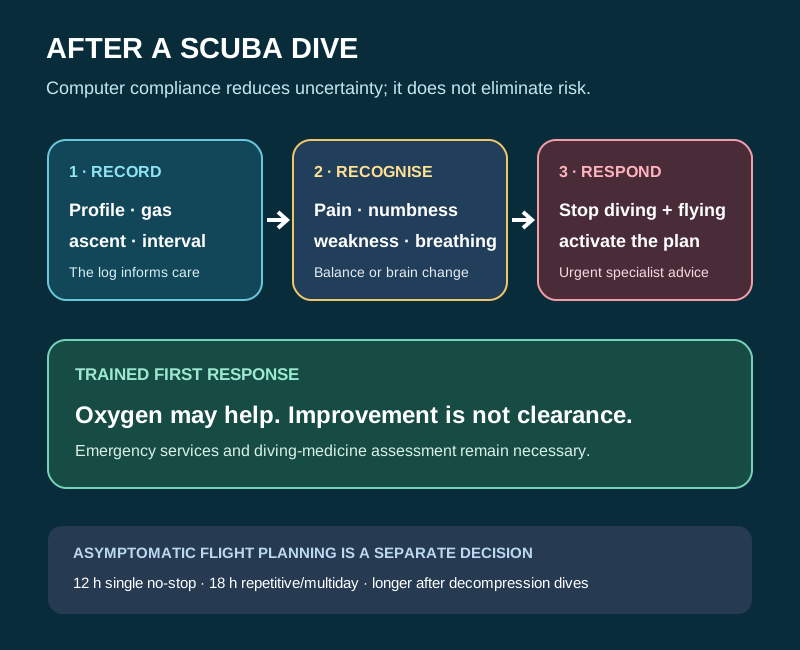
Unusual fatigue, joint or limb pain, tingling, numbness, weakness, poor coordination, dizziness, confusion, skin changes or breathing difficulty after diving can fit decompression illness. Symptoms can be subtle, delayed or confused with seasickness, exertion and ordinary travel fatigue. Loss of consciousness, major weakness, severe breathing difficulty or rapid deterioration requires immediate emergency response.
Stop diving and do not use another dive as a test. Record the dive profiles, breathing gases, ascent, symptom onset and first aid without delaying care. A log helps the medical team reconstruct exposure, but neither a computer download nor an online checklist diagnoses the condition.
Build the response before leaving shore
The operator's emergency plan should identify trained oxygen first aid, communication, evacuation and access to a diving-medicine service. When decompression illness is suspected, activate local emergency services and obtain specialist advice. Give first aid only within current training and equipment protocols; improvised in-water recompression is not a recreational self-treatment plan.
High-concentration normobaric oxygen given by trained responders may improve symptoms, but improvement can be temporary and does not remove the need for medical assessment. Do not delay contact while trying to decide which label fits or which chamber might accept the diver.
Keep routine flight guidance separate from symptoms
For asymptomatic recreational air divers, DAN describes provisional minimum intervals of 12 hours after a single no-decompression dive and 18 hours after multiple dives in a day or multiple days of diving. A substantially longer interval than 18 hours is advised after dives requiring decompression stops. Longer surface intervals reduce risk; they do not guarantee it.
These intervals are not clearance for a diver with symptoms, an omitted decompression obligation or a recent treatment. A symptomatic diver should not board a flight or travel to altitude to meet an itinerary. Seek urgent professional advice and follow the treating diving physician's restrictions.
Sources: 1
Review the chain, not only the last dive
After an incident or near miss, review surface intervals, workload, cold, hydration access, repetitive and multiday profiles, ascent behaviour, gas and travel timing. The purpose is to find practical controls, not to assign blame or claim one factor caused the event.
Fitness to dive after decompression illness, neurological symptoms or another significant medical event requires individual evaluation by a clinician familiar with diving medicine. This article cannot provide personal diagnosis, recompression advice or a return-to-diving date.