
Scuba diving with diabetes: why fitness-to-dive needs its own assessment
Diabetes management on land does not establish fitness for scuba diving. Explore specialist assessment, monitoring limits and the evidence behind dive planning.
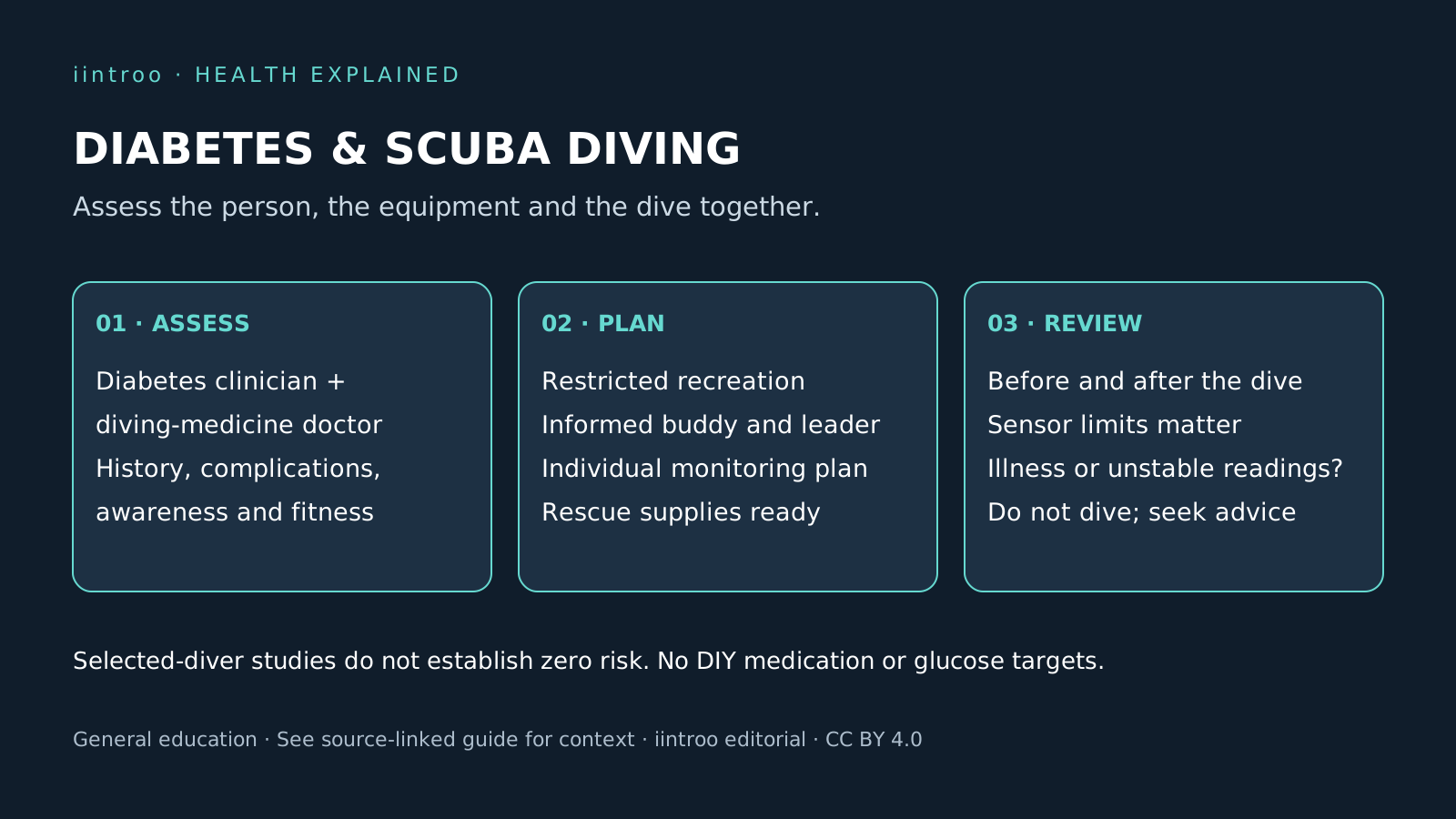
Key points
- Some adults with diabetes may be considered for recreational diving after specialist assessment; this is not blanket clearance.
- Small, selected-diver studies cannot establish zero risk or justify unrestricted technical diving.
- A familiar glucose sensor does not replace an agreed, device-specific monitoring and emergency plan.
Land-based exercise is not a diving assessment
Being comfortable with diabetes during running, swimming or gym sessions does not automatically establish fitness for scuba diving. Underwater, impaired awareness or judgement can endanger both a diver and their buddy. Some adults with diabetes may be considered for recreational diving after specialist assessment, education and an agreed monitoring plan. This is not blanket clearance, and this guide is not a glucose-management prescription.
Start with assessment, not a booking
The international Diver Medical Participant Questionnaire dated January 2026 flags diabetes, including diabetes managed through diet, for physician evaluation. Answering honestly matters: the screening form identifies who needs medical assessment rather than proving that a person is safe to dive. Take the completed form to the clinician before beginning training or joining a trip.
The September 2025 SPUMS guidance recommends cooperation between the clinician managing diabetes and a doctor trained in diving medicine. Assessment considers severe low-glucose episodes, reduced awareness of hypoglycaemia, treatment changes, exercise capacity and complications affecting the heart, circulation, kidneys, nerves or eyes. Taking no insulin does not remove every relevant risk. Annual reassessment and review after important health changes are part of the process; a past certificate is not permanent approval.
What selected-diver research can show
A study published in January 2025 analysed 1,179 dives from 68 people with type 1 diabetes participating in an established education programme. It recorded 23 post-dive hypoglycaemic events but no severe hypoglycaemic episodes during or after diving. These findings support structured selection and preparation. They do not establish zero risk: this was observational experience in a selected, trained group, not a randomised comparison or evidence covering every diving environment.
Earlier research recorded 555 dives by experienced divers with insulin-requiring diabetes. Low post-dive glucose occurred after 7% of dives, despite no reported or observed hypoglycaemia symptoms. Feeling normal is therefore not a substitute for the agreed monitoring process. Those dives involved ordinary recreational conditions and low-risk decompression profiles; the findings cannot simply be extended to demanding technical dives.
Agree the whole dive plan
DAN/UHMS guidance concerns restricted recreational diving, not unrestricted depth or technical exploration. Its precautions exclude overhead environments and compulsory decompression stops, and discourage prolonged, cold or arduous dives. The buddy and dive leader need to know about the condition and the agreed response if something goes wrong. Preparation includes access to appropriate rescue supplies and a buddy who understands the plan.
The diabetes team should establish individual arrangements for meals, medication, glucose checks and postponing a dive. Do not improvise insulin changes or deliberately raise glucose based on an online checklist. Monitoring continues after leaving the water: the DAN/UHMS protocol recognises the possibility of delayed low glucose. Recording dives and associated readings helps subsequent clinical review.
Sources: 1
Technology is support, not clearance
A September 2025 sensor study included eight participants with type 1 diabetes and 68 dives. Calibration improved the tested device's accuracy, but it still failed the study's accuracy criteria for use without confirmatory capillary measurements. This small, device-specific study does not validate every sensor or pump underwater. Discuss the actual equipment and monitoring arrangements with the treating and diving teams rather than assuming familiar land-based technology is sufficient.
Being unwell, seasick or outside the usual stable glucose pattern is a reason not to dive under SPUMS guidance. An adverse event potentially related to diabetes warrants stopping further diving and seeking medical review. The useful question is not simply whether people with diabetes can dive, but whether health, training, equipment and this particular dive have been assessed together.