
Surfer's ear: reduce cold-water exposure before the canal narrows
Repeated cold water and wind exposure can slowly produce bony narrowing of the ear canal. Well-fitted protection may reduce exposure, while recurrent blockage, infection or hearing change needs clinical assessment.
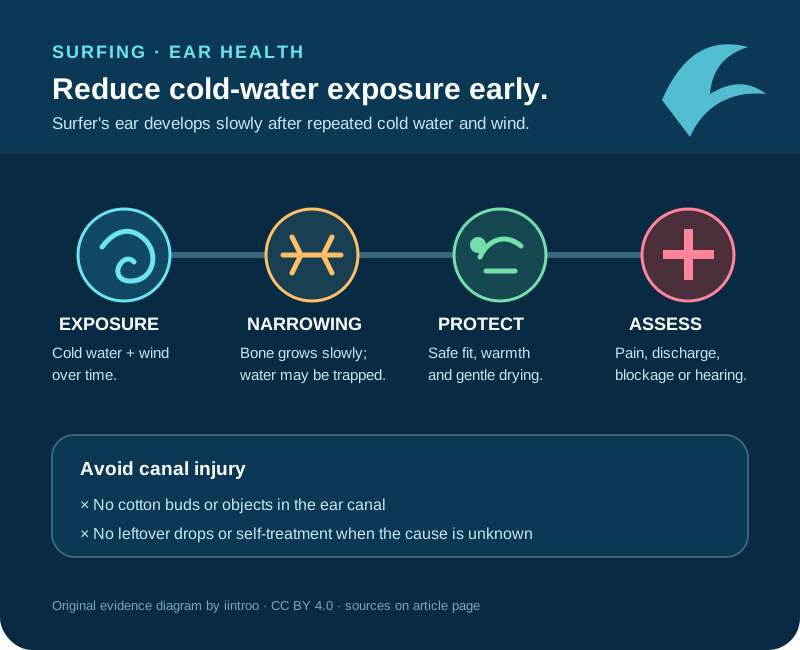
Key points
- External auditory canal exostoses are benign bony growths associated with repeated cold-water and wind exposure; they usually develop slowly.
- Earplugs or other suitable protection may reduce exposure, but evidence is mainly observational and a safe fit must account for hearing and the water environment.
- Do not insert objects or self-treat recurrent discharge, pain, blockage or hearing change; these symptoms need clinical assessment.
Understand the slow change behind 'surfer's ear'
This guide is for surfers, open-water athletes, coaches and families. Surfer's ear is the common name for external auditory canal exostoses: benign bony growths that narrow the ear canal after repeated cold-water and wind exposure. It is different from a temporary ear infection and can affect one ear more than the other.
Many people notice no early symptom. As narrowing increases, the canal can retain water or wax and contribute to repeated outer-ear infection, a blocked feeling or conductive hearing change. A clinician examines the ear to distinguish exostoses from wax, infection, a foreign body and other causes; a symptom list cannot confirm the diagnosis.
Read prevalence numbers as exposure studies
A 2023 systematic review included 19 studies and 2,997 surfers. Reported prevalence ranged from 53% to 90%, with an average of 67.8%, and was generally higher with longer cold-water exposure. These figures describe selected surfing groups, often using cross-sectional designs; they do not mean that two-thirds of all surfers will develop clinically important disease.
Differences in water temperature, wind, years surfed, session frequency, examination method and participant selection limit direct comparisons. The review supports a cumulative exposure relationship but cannot supply an exact safe number of sessions or predict who will need treatment.
Sources: 2
Reduce exposure with equipment that works in the water
HSE guidance recommends ear protection such as earplugs and keeping the ears warm and dry. A prospective observational study also found associations between unprotected exposure and exostosis severity. This is practical risk reduction, not proof from a randomised trial that one product prevents every case.
Choose protection that fits, stays secure and does not create an unacceptable loss of environmental hearing, balance or communication for the activity. Test it in controlled conditions before challenging surf. A hood may add warmth but is not automatically a sealed ear barrier. Replace damaged equipment and follow the manufacturer's cleaning instructions.
Care for the canal without injuring it
After exposure, allow the outer ear to dry gently. Do not push cotton buds, fingers or other objects into the canal; attempts to remove retained water or wax can damage skin and worsen blockage. Do not use homemade drops or leftover antibiotic treatment when the eardrum status and cause are unknown.
Ear pain, discharge, fever, marked tenderness, sudden hearing loss, dizziness or symptoms after trauma need timely clinical advice, with urgent care for severe or sudden features. Repeated infections, persistent blockage or gradual hearing change justify an ear examination and, where appropriate, referral to an ear, nose and throat specialist.
Surgery is a clinical decision, not routine prevention
Some people with severe narrowing, recurrent infection or hearing problems may be offered surgery to widen the canal. The decision depends on symptoms, examination, hearing and the risks of the procedure; the presence of a bony growth alone does not create one automatic threshold. Online images cannot determine severity or surgical need.
Protection still matters after treatment because exposure continues. Plan return to water with the treating team, allowing healing and addressing infection or wound risk. For most athletes, the useful first step is earlier: reduce cold-water and wind exposure to the canal, report recurrent symptoms and avoid traumatic self-cleaning.