
Swimmer's ear: dry the ear canal without damaging it
Water trapped in the outer ear canal can support infection. Drain and dry gently, keep objects out, and check whether drying drops are safe before using them.
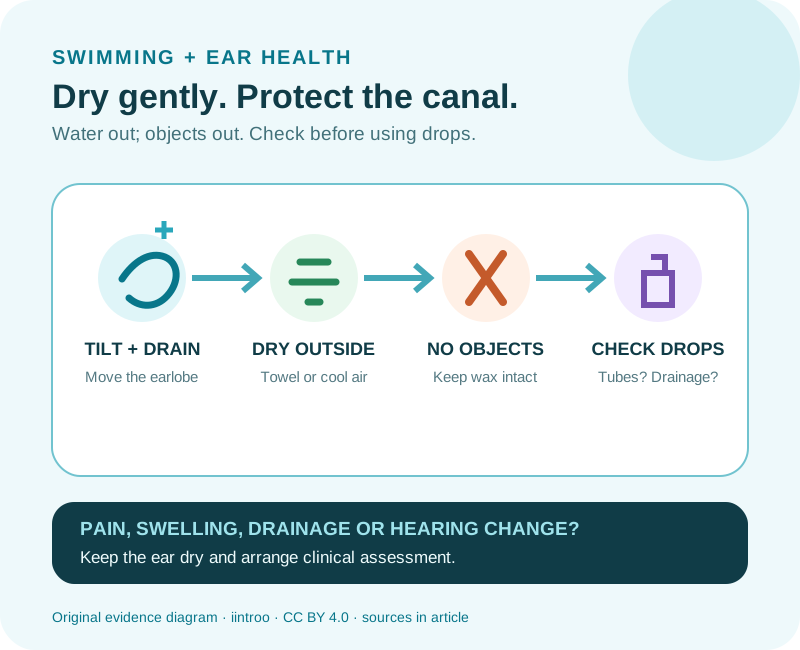
Key points
- Swimmer's ear is an infection of the outer ear canal, not the same condition as a middle-ear infection.
- Tilt and dry gently after swimming; cotton swabs and other objects can damage protective canal skin and wax.
- Do not use ear-drying drops with ear tubes, a punctured eardrum, active swimmer's ear or ear drainage unless a clinician specifically advises it.
Know which part of the ear is affected
This guide is for swimmers, parents, coaches and aquatic staff. Acute otitis externa—often called swimmer's ear—affects the outer ear canal. Water that remains in the canal can weaken the protective wax and skin environment and allow bacteria to multiply. It is different from a middle-ear infection and is not spread from one swimmer to another.
Pain when the outer ear is gently tugged or the tragus is pressed, itching, redness, swelling or drainage can fit swimmer's ear, but a symptom list cannot confirm the diagnosis. Ear pain may also follow trauma, wax impaction, dermatitis, a foreign body or middle-ear disease. Arrange clinical assessment rather than borrowing someone else's drops.
Sources: 1
Drain and dry without putting tools in the canal
After swimming, tilt the head so each ear faces down, gently move the earlobe and dry the outside with a towel. If water remains, the CDC describes using a hair dryer on the lowest heat and fan setting, held several inches away. The goal is gentle evaporation, not heat, pressure or deep cleaning.
Keep cotton swabs, fingers, pencils, keys and other objects out of the ear canal. Do not scrape away wax: it helps protect the canal. A 2026 review of clinical-practice guidelines found consistent emphasis on avoiding canal injury, keeping the canal dry and arranging timely wax care when clinically needed.
Ear plugs can help only when they fit and stay clean
A bathing cap, swim plugs or custom-fitted moulds may help keep ears dry. They should be comfortable, intact and cleaned according to the maker's instructions. Pain, pressure or skin damage from a poorly fitting plug is a reason to stop and review the fit, not to push it deeper.
Shared or dirty ear equipment can add contamination and skin irritation. Athletes who use hearing devices or have previous ear surgery need individual advice about water protection. A team policy should make time for drying and equipment care rather than treating repeated ear pain as an unavoidable part of swimming.
Check before using a drying solution
The CDC advises checking with a healthcare provider before using ear-drying drops. Do not use them with tympanostomy tubes, a punctured eardrum, current swimmer's ear or drainage. The safety of a solution depends on the eardrum, skin, ingredients and diagnosis; a homemade mix is not automatically suitable.
Antibiotic, antifungal, steroid and acidifying drops have different purposes and should not be interchanged. The 2026 guideline review found variation in the available guidance and was designed to inform future WHO service packages. It does not create one preventive product or schedule for every swimmer.
Stop swimming and seek care when symptoms develop
Contact a healthcare provider for ear pain, swelling, itch with worsening symptoms, hearing change or drainage. Fever, spreading redness around the ear, severe pain, dizziness, facial weakness or symptoms in a person with diabetes or impaired immunity deserve prompt medical attention. Keep the ear dry until the diagnosis and return plan are clear.
A swimmer can often return after appropriate treatment and symptom improvement, but there is no universal clearance date. Follow the treating clinician's advice about water exposure, plugs and drops. Pool-water management also matters for community health, yet a well-managed pool does not prevent every case when moisture or canal injury is present.