
Swimming with contact lenses: keep water away from the lens and act early on eye pain
Pool, lake, sea and shower water can carry microbes to a contact lens and cornea. Prescription goggles, careful lens handling and urgent review of painful red eyes protect vision better than improvised cleaning.
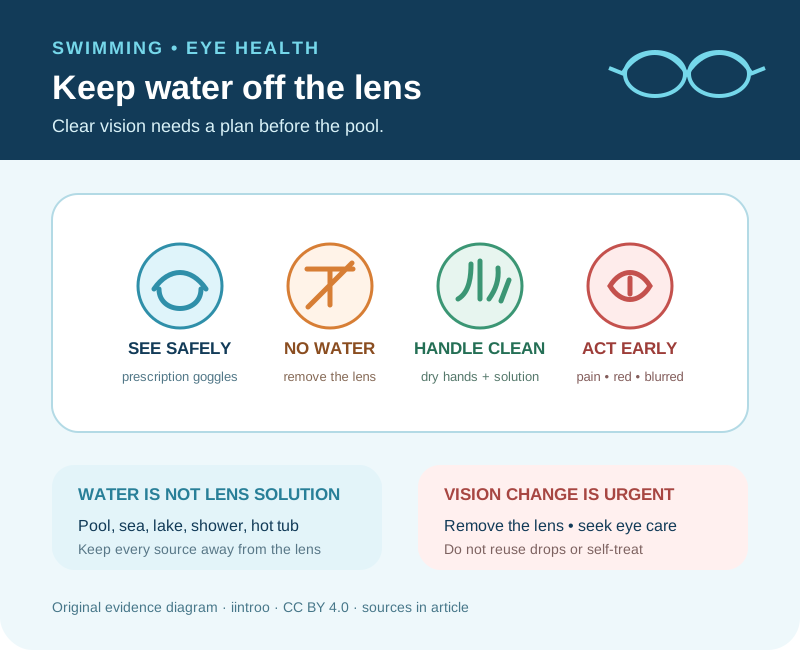
Key points
- CDC guidance advises removing contact lenses before swimming, showering or using a hot tub because water exposure can increase the risk of serious corneal infection.
- Contact-lens microbial keratitis can be bacterial, fungal or amoebic; rare Acanthamoeba infection may be difficult to treat and can threaten sight.
- Eye pain, marked redness, light sensitivity, discharge or blurred vision after lens wear needs prompt professional assessment rather than self-treatment or another swim.
Treat a contact lens as a medical device, not swim equipment
This guide is for swimmers, triathletes, surfers, divers, paddlers and anyone using contact lenses around water. A lens sits directly on the cornea and can trap organisms or disrupt the eye surface. Chlorinated pool water is not sterile, and lakes, sea water, showers and hot tubs create different exposures; none is an approved contact-lens cleaning solution.
CDC guidance is direct: remove lenses before swimming, showering or entering a hot tub. Athletes who need optical correction in the water can discuss prescription goggles or another individual option with an eye-care professional. Ordinary goggles may reduce splashing but do not turn contact-lens wear in water into a risk-free practice.
Understand why a rare infection still matters
Microbial keratitis means infection of the cornea and can involve bacteria, fungi, viruses or amoebae. Acanthamoeba lives in water and soil; infection is uncommon, but contact-lens wear and water exposure are recognised risks. Severe cases can require prolonged treatment and may result in corneal transplant or loss of vision.
The evidence base combines surveillance, clinical series and reviews rather than trials that deliberately expose swimmers. A 2019 review found consistent biological and epidemiological reasons to avoid water contact, while the 2024 clinical review describes changing organisms, resistance and treatment challenges. Prevention advice is strong even though an exact personal probability cannot be calculated from these studies.
Build a water-sport lens plan before travel or race day
Bring glasses, a clean case, fresh approved solution and replacement lenses when relevant to the prescribed schedule. Wash and dry hands before handling lenses, never rinse or store a lens or case in water, and do not top up old solution. A dropped lens, improvised container or shared decorative lens is not a race-day shortcut.
In a 245-person observational study, showering or swimming in lenses and rinsing lenses with tap water were associated with microbial keratitis. The study came from one clinical setting and cannot prove that every exposure causes infection, but it reinforces current hygiene guidance. Coaches should make prescription-goggle planning and safe changing space ordinary parts of access, not leave athletes to improvise privately.
Act early on pain, redness or changing vision
Remove the lens and seek prompt eye-care assessment for significant or increasing pain, marked redness, light sensitivity, discharge, excessive tearing, a white corneal spot or blurred or reduced vision. Do not put the lens back in, borrow drops, use leftover antibiotics or assume chlorine irritation explains a worsening eye.
Sudden major vision loss, severe eye injury, chemical exposure or rapidly escalating pain requires urgent local emergency care. An eye professional can examine the cornea and decide whether sampling or specific treatment is needed. This article does not diagnose keratitis or prescribe medication.
Return when vision, comfort and equipment are safe
Return to water depends on the diagnosis, recovery of the eye surface and the plan from the treating eye professional. Clear vision on land is not enough if pain, light sensitivity, discharge or treatment continues. Replace or disinfect equipment only as directed; the lens, case and solution involved in an infection may need specific handling.
Review how the exposure happened before the next session: correction method, changing area, hand hygiene, storage and backup vision. The goal is reliable sight without repeating the same water–lens contact. No universal waiting period or drop regimen is given here.