
Triathlon stomach trouble: train the fuel plan, not just the legs
Nausea, cramps and diarrhoea in triathlon have several causes. Rehearse race intake and transitions, avoid improvised restrictions and know the red flags.
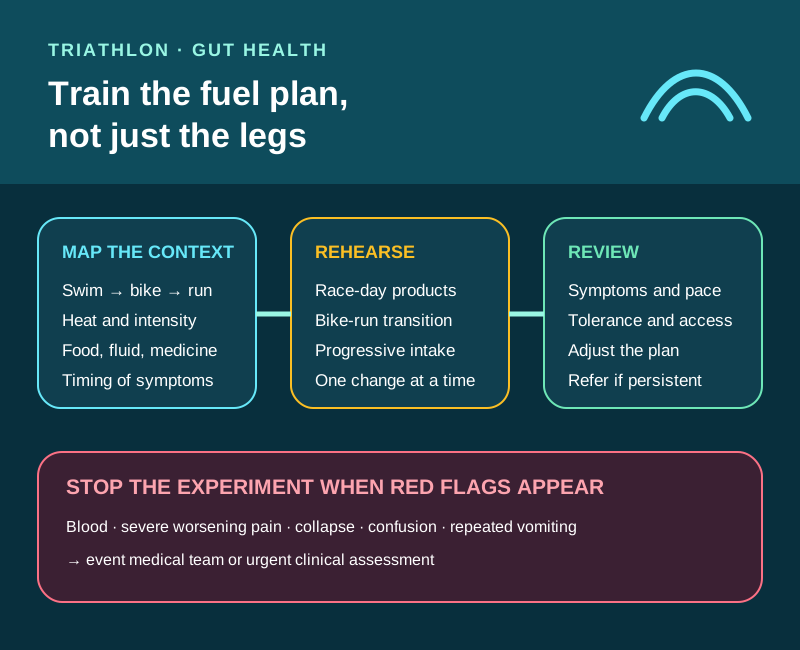
Key points
- Triathlon gastrointestinal symptoms can reflect exercise intensity, heat, dehydration or overdrinking, mechanical load, food composition, medicines or an underlying condition.
- Gut-training and a rehearsed carbohydrate and fluid plan can help some endurance athletes, but evidence does not support one product or intake rate for everyone.
- Blood in stool or vomit, persistent severe pain, collapse, confusion or symptoms outside exercise require medical assessment rather than another race-day experiment.
Map the symptom to the discipline and context
This guide is for triathletes, coaches, families, race organisers and support teams. Nausea, reflux, bloating, cramping, urgency, diarrhoea and vomiting can occur during endurance exercise. An older survey found substantial upper and lower gastrointestinal symptoms across cycling and running in triathletes, but questionnaire recall and changing race practices limit how precisely those figures apply today.
Record when the problem starts: after the swim, in an aerodynamic bike position, after a concentrated feed, during heat, or when the run intensity rises. Also record illness, menstrual symptoms, travel, anxiety, medicines and what was eaten and drunk. A pattern is more informative than labelling every episode a 'weak stomach'.
Understand why one explanation is rarely enough
Hard or prolonged exercise can reduce blood flow to the gut while heat, dehydration, impact during running and stress alter function and sensation. Large or concentrated intakes, unfamiliar foods, high fibre or fat close to racing, caffeine, non-steroidal anti-inflammatory drugs and underlying gastrointestinal disease may contribute. The causes interact and vary greatly between athletes.
Hydration deserves balance rather than slogans. Too little fluid can compound heat strain, while forced drinking beyond thirst and losses can contribute to exercise-associated hyponatraemia. Body-mass change, weather, pace and access points can inform a plan, but they do not justify a universal hourly volume or a promise that sodium alone prevents every problem.
Rehearse the race plan in realistic training
The 2025 position statement and systematic reviews support practising the intended intake during progressive, race-relevant sessions. Begin with tolerable amounts and test product concentration, flavour, temperature, packaging and timing across bike-to-run transitions. Log symptoms and performance rather than changing several variables at once.
Evidence for gut-training is promising but based on relatively small and varied studies. Hydrogel products have not consistently outperformed standard carbohydrate products, and probiotic findings are mixed. A branded formula cannot substitute for a plan that matches the athlete, event duration, climate, opportunities to drink and the foods actually available.
Use restriction cautiously and with a purpose
Short-term manipulation of fermentable carbohydrates can reduce symptoms in some athletes, especially when a clinician or sports dietitian identifies a relevant pattern. A low-FODMAP diet is not a default long-term plan: unnecessary restriction can reduce food variety, complicate adequate energy intake and distract from another diagnosis.
Do not use fasting, anti-diarrhoeal medicines, acid suppressants or painkillers as a routine race fix without professional advice. Trialing medication during a race can mask warning signs or create new risks. Athletes with diabetes, inflammatory bowel disease, coeliac disease, food allergy, previous heat illness or a history of eating disorder need individual planning.
Separate common discomfort from medical red flags
Stop and seek urgent medical help for collapse, confusion, severe or worsening abdominal pain, repeated vomiting with inability to drink, blood in vomit or stool, black stool, chest pain, severe breathlessness or signs of heat illness. Persistent symptoms outside exercise, unexplained weight loss, anaemia, waking at night with symptoms or recurrent blood also require clinical assessment.
Race organisers should place toilets, water, aid stations and medical escalation routes into the safety plan, including options for Para athletes and people with different access needs. The goal is not to make every sensation disappear; it is to fuel adequately, recognise patterns and avoid turning a health warning into a nutrition experiment.