
Breathlessness in the triathlon swim: recognise SIPE and leave the water
Swimming-induced pulmonary oedema can affect fit athletes. Recognise warning symptoms, seek a supported exit and arrange an individual assessment before returning to open water.
Key points
- Sudden unusual breathlessness or cough during a swim should stop the session and trigger a request for help.
- Feeling better after leaving the water does not establish the cause or make restarting safe.
- Recovery and recurrence vary; future swimming needs an individual medical decision.
Recognise a breathing problem early
Swimming-induced pulmonary oedema, or SIPE, means fluid accumulating in the lungs during swimming. It can occur without inhaling water and can affect apparently healthy, well-trained athletes. Immersion moves blood towards the chest; cold exposure and strenuous effort can add pressure. The precise combination that produces an episode differs between people.
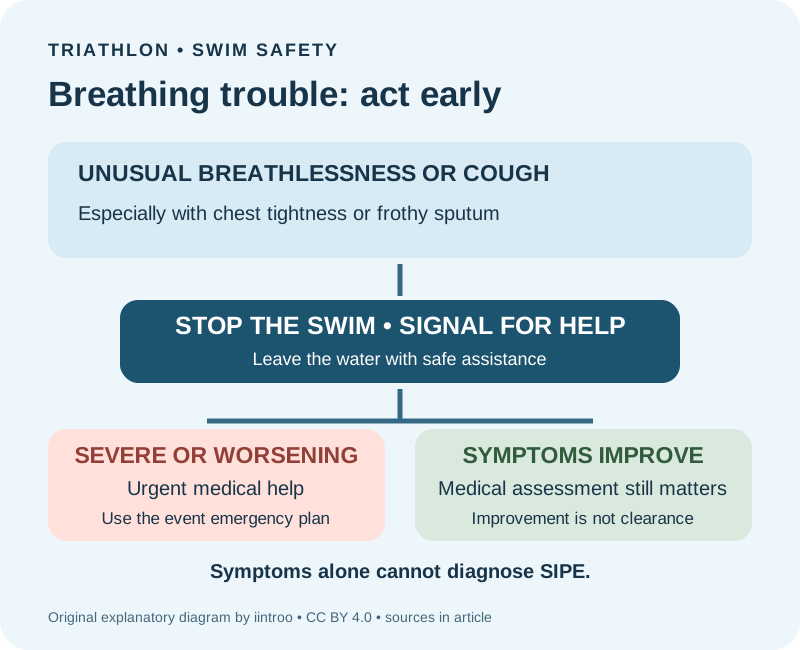
Warning symptoms include sudden or unusual breathlessness, persistent cough, chest tightness and frothy sputum that may be pink or blood-stained. Rattling breathing, confusion or blue lips suggest serious illness. Not every feature is present, and absence of blood does not exclude SIPE. A swimmer cannot reliably distinguish it from other causes while still racing: difficulty breathing in the water deserves action.
Stop, signal and use the rescue pathway
Stop the swim and signal the nearest safety crew or lifeguard. Request assistance to leave the water safely rather than attempting to finish the course. Follow the event's rescue instructions. In a triathlon, do not carry unexplained breathing symptoms into the bike or run; report them to the medical team.
Once ashore, a supported upright position and warmth can help while care is arranged. Severe breathlessness, chest pain, confusion, blue or grey lips, or collapse require the emergency response and local emergency services immediately. Medical responders may provide oxygen and further breathing support. Prompt assessment remains important if symptoms improve after exit: improvement alone does not establish the diagnosis or make restarting safe.
Assessment must consider the whole episode
Tell clinicians when symptoms began, what the effort and water conditions were, whether water was inhaled, and whether similar symptoms have occurred before. SIPE, aspiration, airway problems and cardiac illness can produce overlapping complaints. Assessment may include oxygen measurement, examination and lung imaging, followed by heart and lung investigations selected for the individual. High fitness does not replace that evaluation.
A study published online in July 2026 compared 45 SIPE patients with 45 asymptomatic swimmers at one Swedish event. Mildly impaired heart pumping function was more frequent after SIPE, and most abnormal ultrasound findings improved at follow-up. Two SIPE patients also had myocardial infarction. This small observational cohort helps clinicians interpret acute findings; it does not show that SIPE causes every abnormal result or establish universal cardiac screening for triathletes.
Recovery is not a fixed two-day window
Older descriptions emphasised rapid improvement, but a 2023 follow-up study gives a more varied picture. Researchers followed 165 SIPE cases from a Swedish open-water event: 132 were interviewed at ten days and 152 at thirty months. At the first follow-up, 38% reported symptoms lasting more than two days. Continuing cough or breathlessness therefore needs follow-up rather than dismissal because an expected deadline has passed.
At thirty months, 28% reported recurrent respiratory symptoms during open-water swimming, while 58% had not returned to open water. These were reported symptoms, not a confirmed diagnosis at every recurrence, and exposure differed between participants. The findings cannot predict one athlete's recurrence risk. They also cannot supply a universal waiting period for another race.
Sources: 3
Plan future swimming around the individual
After a suspected episode, discuss future swimming with a clinician who can review the diagnosis, underlying health, ongoing symptoms and rescue access. A previous episode matters even when later tests are reassuring. The conversation can address blood pressure, other relevant heart or lung conditions, cold exposure, exertion and equipment fit. None of these factors alone proves the cause, and changing a wetsuit cannot guarantee prevention.
If return is considered appropriate, agree how swimming will resume, who will supervise and what symptoms will stop it. A gradual approach is suggested in clinical reviews, but comparative evidence for prevention remains limited. Medication is not a self-directed race workaround. Event organisers and coaches can support the decision by making withdrawal easy, briefing swimmers on rescue signals and ensuring a clear route to medical care.