
Vitamin C and colds in endurance athletes: what the evidence actually supports
Vitamin C cold-prevention claims need context. Compare older endurance studies, regular use versus treatment after symptoms, food sources and safety limits.
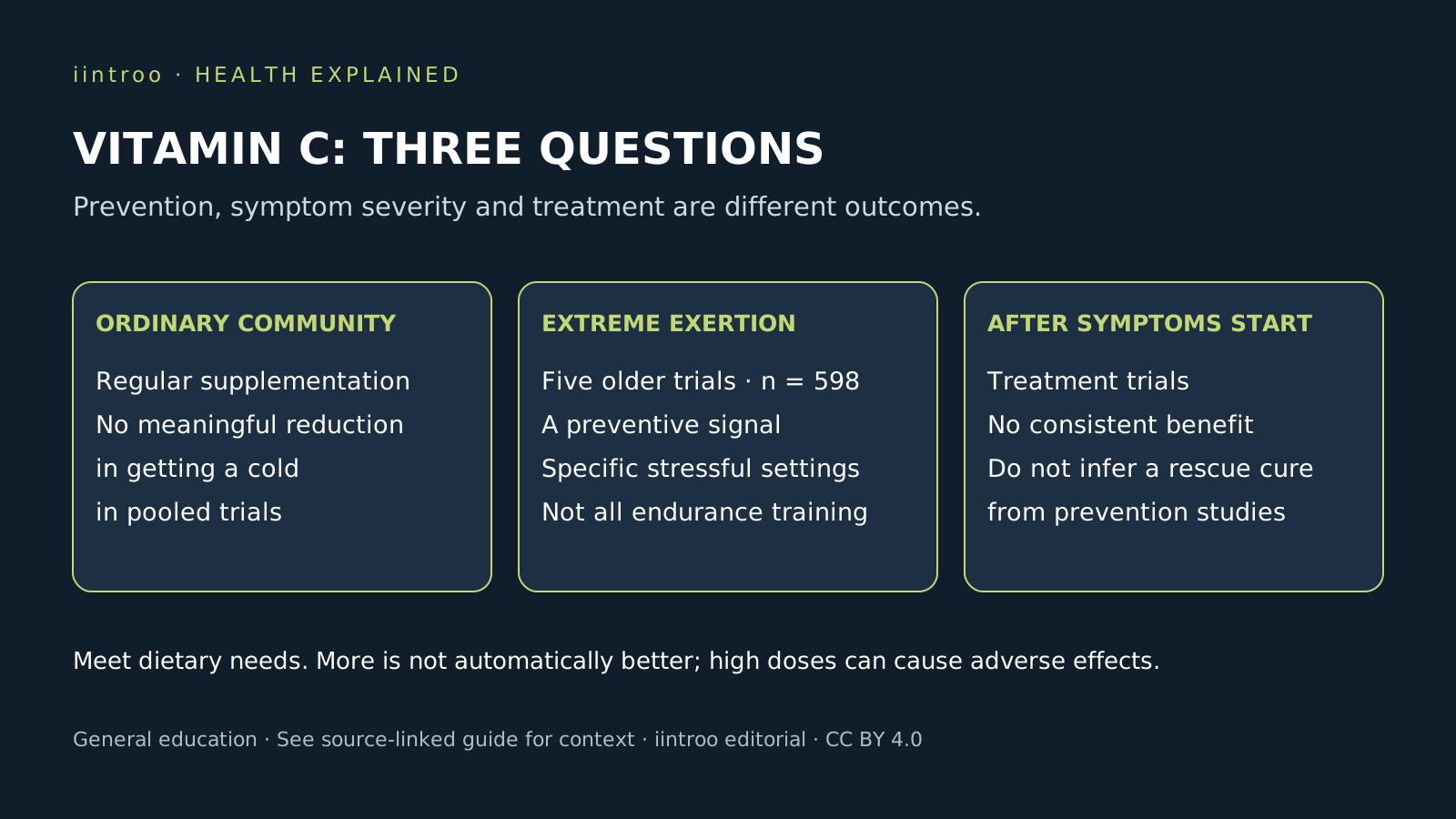
Key points
- Regular vitamin C did not meaningfully prevent colds in general-community trials; an older extreme-exertion subgroup showed a narrower signal.
- Preventive supplementation studies do not establish that starting vitamin C after symptoms appear works.
- Meeting nutritional needs differs from taking high doses, which can cause adverse effects.
Separate the question from the product label
Vitamin C is essential, but an essential nutrient is not automatically a useful extra supplement. For runners, cyclists, swimmers and skiers, the important questions are whether supplementation prevents illness, changes symptoms, or merely adds an appealing immune-support claim to a product label. Those outcomes should not be treated as interchangeable.
Prevention is different from treatment
The Cochrane review currently available on this question was published in 2013, with searches through November 2012. Across general-community trials involving 10,708 participants, taking vitamin C regularly did not meaningfully reduce the likelihood of developing a cold. Regular supplementation modestly shortened adult cold duration, by about 8% on average. However, trials that started supplementation only after symptoms appeared found no consistent improvement in duration or severity. A finding about regular use cannot therefore be repackaged as evidence for a rescue treatment at the first sniffle.
A separate Cochrane subgroup contained five trials involving 598 marathon runners, skiers and soldiers undertaking subarctic exercise. Regular supplementation was associated with roughly half the relative risk of developing cold symptoms during these unusually demanding periods. This is an interesting signal, not a prediction that every recreational runner can halve their illness risk. The evidence comes from a small collection of older studies in specific settings, rather than a broad sample of contemporary endurance training.
Sources: 1
Athlete studies do not all tell the same story
One frequently cited 1993 ultramarathon trial reported respiratory symptoms in 33% of supplemented runners versus 68% of runners receiving placebo during the two weeks after racing. Its outcome was reported symptoms, not laboratory-confirmed viral infection. The result describes one particular event and follow-up period; it does not establish a universal supplement routine or demonstrate that vitamin C makes racing while unwell safe.
A three-month, randomised, double-blind trial in 39 adolescent competitive swimmers found no reduction in respiratory-illness incidence. Differences in symptom duration between boys and girls were reported, but the small subgroups require further investigation, not sex-specific supplement advice for young athletes. A null overall result and an exploratory subgroup should both remain visible when explaining the findings.
A newer analysis is not necessarily new trial evidence
A 2023 meta-analysis examined 15 comparisons from ten trials and reported lower cold severity during regular supplementation. It largely reconsidered older evidence rather than testing a new endurance-athlete programme. Definitions of severity varied, and the analysis was not preregistered. Its results do not show that starting supplements after symptoms begin reliably works, nor that a milder cold means an athlete is ready for a hard session.
Sources: 4
Meet nutritional needs before chasing bigger doses
Fruit and vegetables, including peppers, kiwifruit, citrus fruit, strawberries and broccoli, provide vitamin C. Restricted food variety or absorption problems can make nutritional assessment useful. Correcting inadequate intake is a different decision from taking extra vitamin C despite an adequate diet.
High supplemental intakes can cause diarrhoea, nausea and abdominal cramps. People with kidney disorders, pre-existing hyperoxaluria or hereditary haemochromatosis should discuss supplementation with their clinician. Water-soluble does not mean unlimited quantities are harmless.
The IOC supplement consensus recognises a possible role during heavy exertion, while emphasising limited evidence and professional assessment. It also raises concerns that high-dose antioxidant supplements may interfere with some training adaptations; effects in well-trained athletes remain uncertain. That concern is not a reason to avoid vitamin-C-rich foods.
The practical conclusion is to evaluate a specific nutritional need and training context, not buy a blanket promise of stronger immunity. A sports dietitian or clinician can help assess whether supplementation has a defensible purpose. This article provides general education, not a personal treatment or dosing plan.